

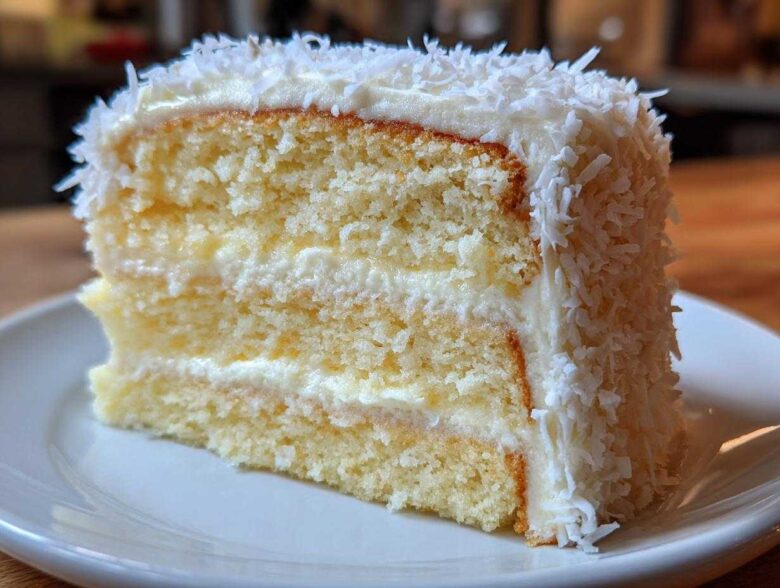
If you’ve ever stood staring at a bakery case, dreaming of a slice of cake that tastes purely like Southern comfort—fluffy, sweet, and covered in snowy coconut—well, friend, you are in the right place. My journey cooking across Africa taught me that the best food always has a story, but when I look to American classics, I rely on recipes that just *work*. This isn’t just any recipe; this is The Best Moist & Fluffy Southern Coconut Cream Cake Recipe. After years of testing recipes from Addis to Lagos and back, I promise you, my goal is always dependability.
We pulled out all the stops here. I obsessed over the layering and the frosting so you get that authentic, crowd-pleasing coconut cake every single time. Get your mixers ready, because this is the one you’ll want to save and keep forever. You can see more of our culinary adventures over at our main blog page, but for now, let’s focus on cake!
Why This Southern Coconut Cake Recipe is Your New Favorite
Look, I’ve baked cakes everywhere, from tiny, humid kitchens to massive test setups, and I can tell you one thing: you deserve amazing results every time you turn on the oven. This moist coconut cake recipe is my absolute gold standard for that classic Southern vibe. It’s rich without being heavy, and truly, it’s what I call a showstopper.
We’re aiming for that airy, fluffy coconut cake texture that basically dissolves the second it hits your tongue. If you need a reliable recipe for birthdays or holidays, this is it, trust me. You can check out how we transform simple things like cookie dough over at our cookie page, but let’s talk about how we get this coconut dream just right.
Achieving the Perfect Moist Coconut Cake Layers
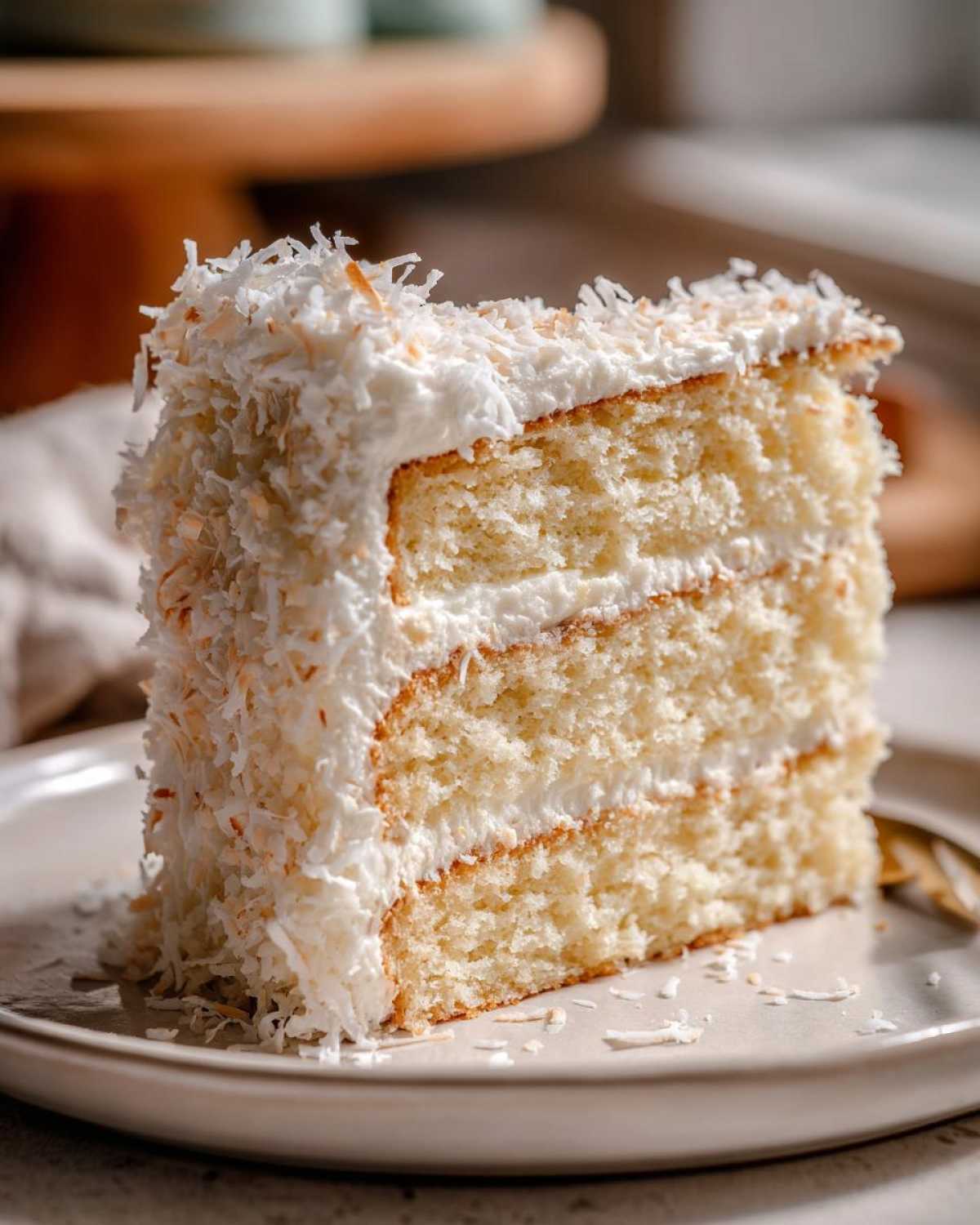
The secret to those impossibly moist layers? It’s not just the one cup of sweet shredded coconut! I use both whole milk *and* full-fat coconut milk in the batter. That double dose ensures the crumb stays tender and doesn’t dry out, even several days later. Don’t skip that coconut milk, it’s crucial for flavor depth!
Dreamy Coconut Cream Cake Frosting
Oh, the frosting! This is where we elevate it from just good to truly unforgettable. I use a mix of butter and cream cheese for the base of this coconut cream cake recipe. The cream cheese works magic; it gives the frosting that luscious, tangy body you get from fancy bakeries, and it holds up so much better than plain buttercream.
Gathering Ingredients for Your Homemade Coconut Cake
Whenever I bake, especially when I know guests are coming—or even if it’s just Alex and me—I like to have every single ingredient lined up and ready to go. It’s the key to keeping things from getting chaotic! Speaking of rich coconut flavors, if you ever want to explore how we use coconut in drinks, you should peek at our authentic coquito recipe—it really makes you appreciate full-fat coconut milk. So, let’s get organized for this gorgeous homemade coconut cake. This recipe basically divides itself into two camps: the layers and the frosting.
You’ll need the best quality ingredients you can find here. Everything matters when you’re aiming for that bakery feel!
Ingredients for the Light Fluffy Cake Layers
- 2 1/2 cups all-purpose flour
- 1 1/2 cups granulated sugar
- 1 tablespoon baking powder
- 1/2 teaspoon salt
- 1 cup unsalted butter, softened
- 4 large eggs
- 1 cup whole milk
- 1 teaspoon vanilla extract
- 1/2 cup coconut milk (full fat—don’t use the watery kind!)
- 1 cup sweetened shredded coconut, plus more for coating
Ingredients for the Rich Coconut Frosting Homemade
This frosting is really where the richness comes from. It’s the cream cheese that keeps it stable and delicious, giving us that amazing classic coconut flavor. It’s simple, but it’s perfect.
- 1/2 cup cream cheese, softened
- 1/2 cup unsalted butter, softened (for frosting)
- 4 cups powdered sugar, sifted
- 1 teaspoon coconut extract
- 1/4 cup heavy cream
Step-by-Step Instructions for the Best Coconut Cake
Okay, now the fun part—turning those beautiful ingredients into actual cake! Because building up flavor and texture is exactly what separates a good cake from a truly stellar one, we need to follow the sequence. If you’re looking for other dependable recipes that layer well, I’ve put together a few favorites over at my easy layer cake collection. Baking this coconut cake is straightforward, but precision on these first steps really pays off.
Mixing the Fluffy Coconut Cake Batter
First thing: preheat that oven to 350°F (175°C) and get those two 9-inch pans greased and floured. We need to treat them right so they release beautifully later! In one bowl, swap your dry stuff: flour, baking powder, and salt. Now, for the wet side: cream that 1 cup of softened butter with the sugar until it looks pale—you basically want air whipped into it.
Beat in your eggs one at a time, making sure each one is happy before adding the next. Then, mix your milks (the whole one and the full-fat coconut kind) with the vanilla. Here’s the most important part: when combining the big bowls, we alternate! Start with a third of your dry mix, then half of the milk mix, then another third of dry, the rest of the milk, and finish with the last dry bit. Mix it gently until it *just* comes together. Seriously, do not overmix, or you kill the fluff factor! Then, very gently fold in that cup of shredded coconut.
Baking and Cooling the Coconut Layer Cake
Divide that gorgeous batter evenly between your two prepared pans. Time to bake them for about 30 to 35 minutes. You’ll know they are done when a wooden pick inserted right into the center comes out clean—that means the cake is cooked all the way through but still holds its moisture.
Let them chill out in those pans for about 10 minutes. This small rest helps them firm up just enough. After 10 minutes? Flip them out onto a wire rack immediately to cool completely. If you try frosting warm layers, you’ll have an expensive, coconut-flavored puddle, and nobody wants that disaster!
Preparing and Assembling the Coconut Cream Cake
While those cool down, let’s tackle that thick, dreamy frosting. Grab your mixer and beat the softened cream cheese and the other 1/2 cup of butter until they are totally smooth—no lumps allowed! Now, stream in the sifted powdered sugar slowly until it starts to look like frosting. Finish it off with the coconut extract and the heavy cream. Beat it until it’s light and fluffy—this is giving you that fantastic coconut cream cake finish.
When the layers are stone cold, place the first one down. Slather on a generous layer of frosting. Place the second layer on top. Now, frost the top and sides of the whole thing. For that classic look, grab some of your extra sweetened shredded coconut and press it all over the top and sides. It’s instant holiday magic!
Expert Tips for a Bakery Style Coconut Cake
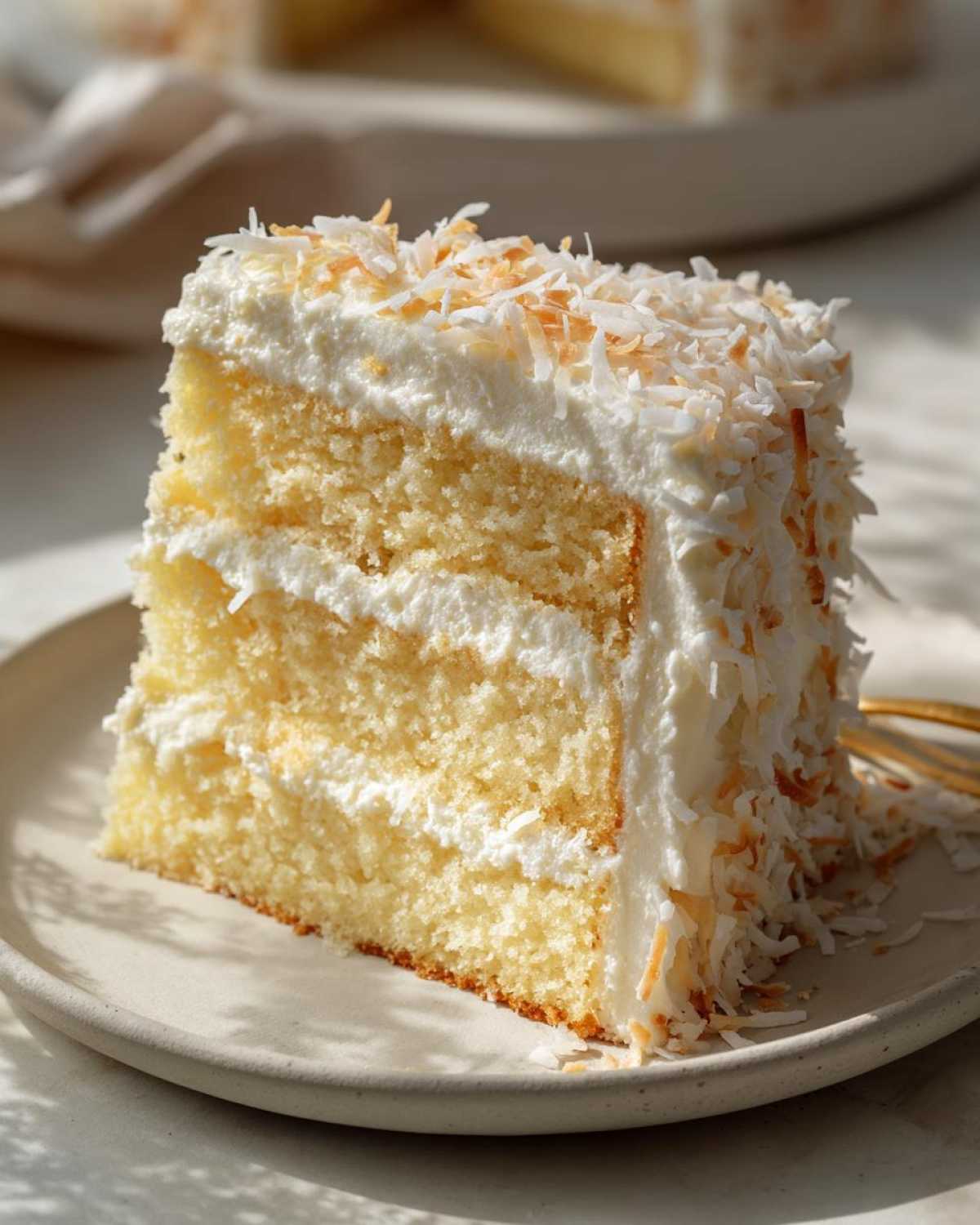
I always tell folks that baking is science, but *great* baking comes from applying a little extra love and a few earned tricks. To really push this from a good homemade dessert to a show-stopping bakery style coconut cake, you need to focus on the final presentation and flavor boosters. After years of trial and error, these little things make the whole difference! You can see how I approach flavor boosters in my scone recipe, and the principle is the same here.
If you want that next-level flavor, you have to toast your coconut first. It sounds simple, but trust me on this one.
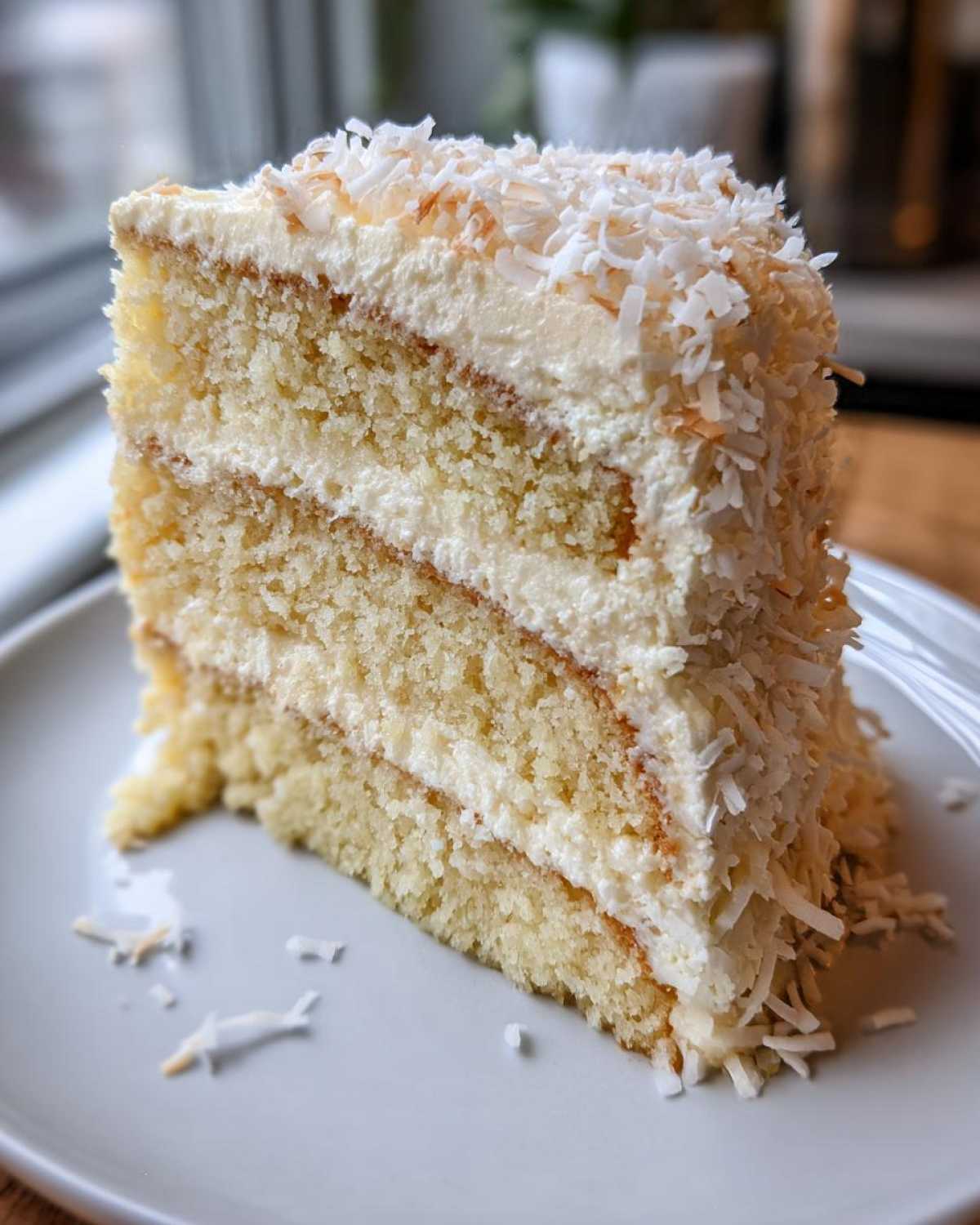
For example, for extra moisture insurance, I love to brush the cooled layers with a little bit of homemade simple syrup. I just mix equal parts sugar and water, let it dissolve, and simmer it with just a splash of extra coconut milk while it’s warm. It soaks right up! If you were using a deep springform or Bundt, make sure you really grease that pan well, because high-sugar cakes can be sticky.
Finally, when frosting the outside, use an offset spatula or maybe even a cake comb if you have one. Getting those sides smooth and clean gives it that professional, polished finish that everyone expects from a perfect coconut cake.
Variations on the Classic Coconut Dessert
Part of the fun with a truly solid base recipe, like this Southern coconut cake, is the ability to play with it! Alex and I learned adapting recipes is just part of cooking when you’re moving around the globe. I remember one time in Dar es Salaam, we couldn’t find standard baking powder, so we had to get creative with buttermilk to get a rise. It taught me that every flavor profile can bend a little without breaking.
This template is perfect for your own tweaks, whether you want something richer or brighter. If you’re fascinated by how we embrace coconut in different forms, you should absolutely check out the magic in our coquito recipe—it’s a completely different, but equally delicious, way to celebrate coconut!
Making a Coconut Bundt Cake Version
If you don’t have two 9-inch pans or you just love that classic, grooved shape, turning this into a coconut bundt cake is super easy. The main change is baking time and pan prep, of course. Make absolutely sure when you grease and flour that bundt pan—get into every single crevice. I usually use a bit of cake goop mix here because those deep grooves are tricky!
Since the batter is usually deeper in a bundt pan than in two thin layers, you’ll need to bake it low and slow. It might take closer to 50 or 60 minutes, so check it starting around the 45-minute mark. You still want that clean toothpick test, so keep your eye on it.
Tropical Coconut Dessert Twists
If you want to lean into that bright, tropical coconut dessert vibe, I have two favorite quick additions. First, add the zest of one lime right into the cake batter along with your coconut milk. The tartness cuts through the richness of the butter and sugar beautifully!
My second favorite trick is texturally based: Toast the shredded coconut before you fold it in *and* before you press it onto the outside. Just toss it in a dry skillet over medium heat until it smells nutty and turns golden brown. It adds such a sophisticated depth that just screams fresh flavors.
Serving Suggestions for Your Coconut Cake
This cake is decadent all on its own, truly. It’s sweet, it’s creamy, it’s got that beautiful texture—it really doesn’t *need* anything else! But since we all know one dessert is never enough at a big gathering, I always think about what else is on the table to complement this tropical masterpiece. This really shines when it’s one of those amazing coconut desserts for holidays, like Easter or Christmas.
When I’ve served this big, beautiful layer cake, I stick to serving things that offer a contrast in flavor or texture. You want something a little tart or something really rich alongside it, depending on what you’re going for. If you’ve ever made our mini pecan pies, you know that the textural contrast between fluffy and crunchy is essential!
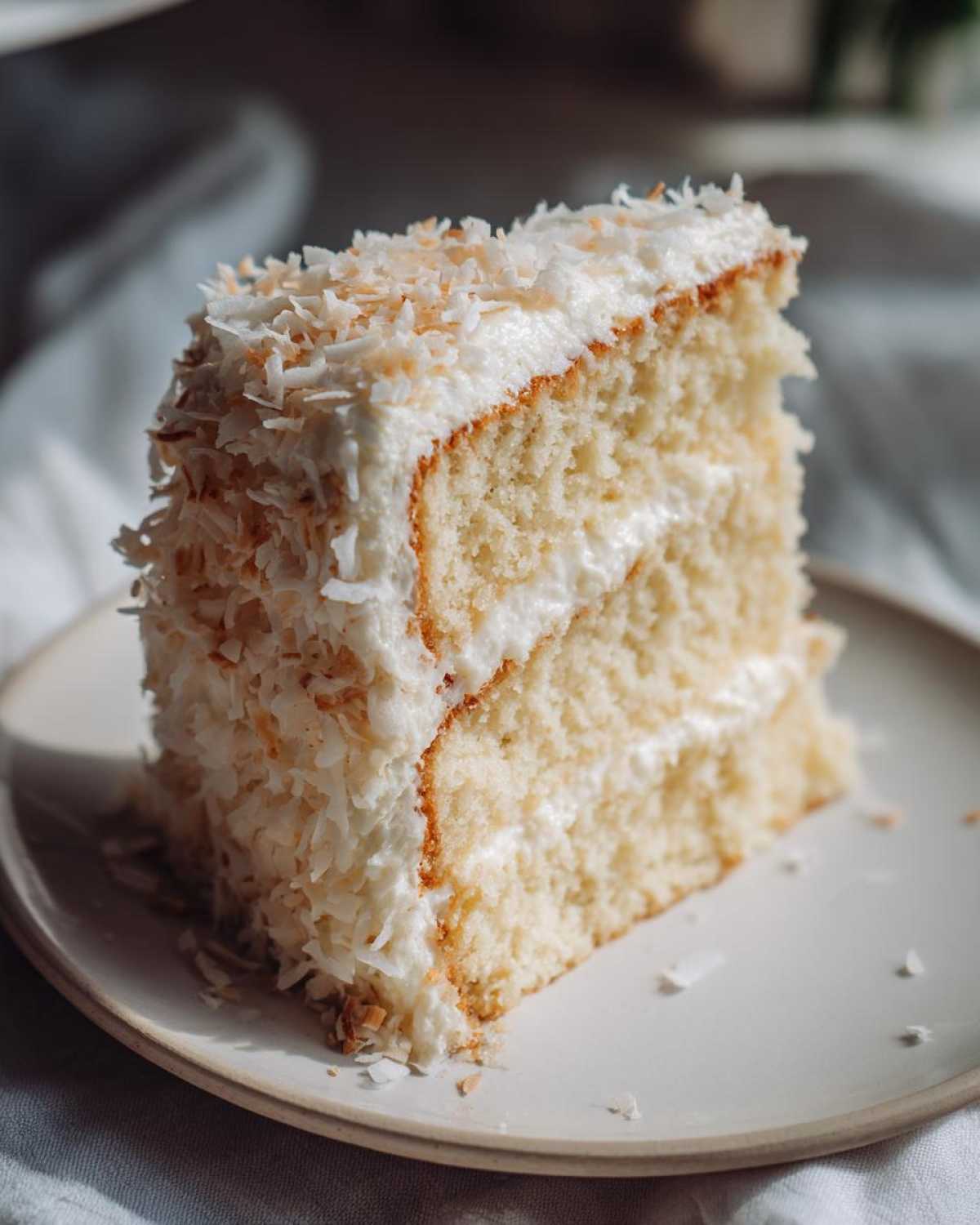
For a lighter pairing, think fresh. A simple bowl of mixed berries—strawberries, raspberries—is perfect. The slight tartness cuts right through the sweet coconut frosting. If you don’t have berries available, a scoop of great quality lemon sorbet on the side is heavenly for balancing everything out.
If you are going super rich, keep the accompaniment simple. A tiny cup of strong, dark roast coffee is my go-to recommendation. The bitterness of the coffee is the perfect foil to the sweet, creamy frosting. Honestly, though, this coconut cake is so good, expect it to disappear first!
Storage and Reheating for Your Coconut Cake
Now that you’ve wrestled this beauty into submission and frosted every inch of it, we need to talk about how to keep it looking and tasting fabulous. Storing a frosted cake, especially one with that lovely cream cheese/butter frosting, requires a bit of finesse. I learned this the hard way when I tried to stick a giant coconut creation uncovered into the fridge in Lagos—it was a nightmare of sticky condensation!
The key here is airtight protection. You want to keep that cake moist but prevent the frosting from getting wet. Always keep this coconut cake in the refrigerator because of the cream cheese in the frosting. Cover it up! Use a cake dome if you have one, or place large plastic wrap loosely over the top, making sure the plastic doesn’t stick directly to the frosting where it can pull off your beautiful coconut coating.
If you’re planning to serve it later in the week, just pull it out about 45 minutes before you plan on slicing into it. Letting it come up to room temperature really helps the layers soften up again and brings out the full flavor of the coconut extract in the frosting. It goes from being cold but delicious to utterly perfect and ready to disappear!
If you have leftovers (which I sincerely doubt, but we can hope!), it holds up well in the fridge for about three or four days thanks to that rich frosting.
Frequently Asked Questions About Making Coconut Cake
When I’m testing a new recipe, I always have about a hundred questions! Since this is such a beloved classic, I wanted to gather the common things people ask when they try to master the ultimate coconut cake. Solving these little mysteries ahead of time is how you get that perfect, glossy result. If you’re looking for other simple sweets, sometimes I use a shortcut for things like Oreo balls to balance out baking time!
Can I use fresh coconut instead of shredded coconut in this coconut cake recipe?
You absolutely can! However, fresh coconut acts differently than sweetened shredded coconut. Fresh coconut has more moisture, and it’s usually coarser, so it won’t absorb the batter quite the same way. If you use fresh, you might find your cake layers are a touch wetter initially, and you might need to add an extra tablespoon of flour to the dry mix just to balance things out. Also, if you’re using unsweetened fresh coconut, definitely don’t forget to add a little extra sugar to the batter, or the coconut flakes might taste a bit… grassy!
What makes this a true Southern coconut cake?
That’s an excellent question! What separates a nice tropical cake from a true Southern icon is often the frosting richness and the overall sweetness level. Our Southern twist comes from two main things: first, the tender, super-rich cake layers that use extra fat for that melt-in-your-mouth quality. Second, it’s that frosting! We use cream cheese along with the butter. That slight tang from the cheese in the coconut frosting homemade keeps the sweetness from becoming totally overwhelming, which is a hallmark of classic Southern desserts. It’s that perfect balance of rich and tangy.
How do I prevent my coconut layer cake from drying out?
Moisture is my obsession, especially when shipping cakes or when Alex eats leftovers a few days later! The number one rule is what I drilled into you earlier: DO NOT OVERMIX the dry ingredients into the wet. Overmixing develops gluten, and gluten makes cakes tough and dry—not what we want for a fluffy coconut cake! Second, remember the dual-dairy liquid situation: using that full-fat coconut milk alongside the whole milk is your secret weapon for keeping the crumb soft. If you follow those two steps, your coconut layer cake should stay deliciously moist!
If you’re curious about other classic recipes that people obsess over, you should see what people are saying about Ina Garten’s version sometimes, like this article mentions here—it’s fun to spy on what other pros are doing!
Nutritional Snapshot of This Coconut Cake
Look, this is butter, sugar, and cream cheese. We aren’t pretending this is a health food, okay? But it is honest! Per slice, you’re looking at about 450 calories, with around 60 grams of carbs and 22 grams of fat. It’s rich, it’s delicious, and it’s worth every single bite. Enjoy it guilt-free for those special occasions!
Share Your Perfect Coconut Cake Creation
I truly, truly want to see your snowy masterpieces! I get such a kick out of seeing my recipes travel from my kitchen counter to yours. Whether you went simple with a dusting of sugar or went full-out with extra toasted coconut flakes on the sides, please snap a picture!
Drop a five-star rating below if this became your new favorite moist coconut cake recipe, and let me know your favorite holiday you served it for in the comments! We love reading your feedback and your own little tweaks. (If you’re looking for one more obsession of mine, you have to try my strawberry rhubarb pie next!)
Nutritional Snapshot of This Coconut Cake
Look, I’m just going to be totally honest with you. We’re making a glorious, rich, layered coconut cake here, so this isn’t exactly diet food! But you deserve to know what you’re baking with. Per serving, we’re looking at rough estimates of about 450 calories, 60g of carbs, and 22g of fat. This is my best guess based on the butter and cream cheese we use in that fabulous frosting.
Please remember this is just a ballpark figure since we aren’t working in a lab! This is just the reality check for enjoying this amazing coconut dessert responsibly.
Share Your Perfect Coconut Cake Creation
I truly, truly want to see your snowy masterpieces! I get such a kick out of seeing my recipes travel from my kitchen counter to yours. Whether you went simple with a dusting of sugar or went full-out with extra toasted coconut flakes on the sides, please snap a picture!
Drop a five-star rating below if this became your new favorite moist coconut cake recipe, and let me know your favorite holiday you served it for in the comments! We love reading your feedback and your own little tweaks. (If you’re looking for one more obsession of mine, you have to try my strawberry rhubarb pie next!)
PrintThe Best Moist & Fluffy Southern Coconut Cream Cake Recipe
Bake a truly delicious classic coconut cake perfect for any celebration. This recipe delivers moist, fluffy layers and rich coconut cream frosting for a bakery-style dessert.
- Prep Time: 25 min
- Cook Time: 35 min
- Total Time: 60 min
- Yield: 12 servings
- Category: Dessert
- Method: Baking
- Cuisine: American
- Diet: Vegetarian
Ingredients
- 2 1/2 cups all-purpose flour
- 1 1/2 cups granulated sugar
- 1 tablespoon baking powder
- 1/2 teaspoon salt
- 1 cup unsalted butter, softened
- 4 large eggs
- 1 cup whole milk
- 1 teaspoon vanilla extract
- 1/2 cup coconut milk (full fat)
- 1 cup sweetened shredded coconut, plus more for coating
- 1/2 cup cream cheese, softened
- 1/2 cup unsalted butter, softened (for frosting)
- 4 cups powdered sugar, sifted
- 1 teaspoon coconut extract
- 1/4 cup heavy cream
Instructions
- Preheat your oven to 350°F (175°C). Grease and flour two 9-inch round cake pans.
- In a large bowl, whisk together the flour, baking powder, and salt. Set aside.
- In a separate large bowl, cream together the 1 cup of softened butter and granulated sugar until light and fluffy.
- Beat in the eggs one at a time, mixing well after each addition. Stir in the vanilla extract.
- In a small bowl, whisk together the whole milk and coconut milk.
- Gradually add the dry ingredients to the wet ingredients, alternating with the milk mixture, beginning and ending with the dry ingredients. Mix until just combined. Do not overmix.
- Gently fold in the 1 cup of shredded coconut.
- Divide the batter evenly between the prepared cake pans. Bake for 30 to 35 minutes, or until a wooden pick inserted into the center comes out clean.
- Let the cakes cool in the pans for 10 minutes before inverting them onto a wire rack to cool completely.
- Prepare the coconut cream frosting: In a large bowl, beat the 1/2 cup softened butter and cream cheese until smooth.
- Gradually add the sifted powdered sugar, mixing on low speed until incorporated.
- Beat in the coconut extract and heavy cream until the frosting is light and fluffy. Add more powdered sugar or cream as needed to reach your desired consistency.
- Once the cakes are completely cool, place one layer on a serving plate. Spread a layer of frosting over the top.
- Place the second cake layer on top. Frost the top and sides of the entire cake with the remaining coconut cream frosting.
- Press extra sweetened shredded coconut onto the top and sides of the cake for a beautiful finish.
Notes
- For extra moist cake layers, you can lightly brush the cooled layers with a simple syrup made from equal parts sugar and water, infused with a splash of coconut milk.
- To achieve a true bakery-style look, use a cake comb or offset spatula to create smooth sides and a clean top edge.
- Toast the shredded coconut lightly in a dry skillet over medium heat for a deeper, nuttier flavor before coating the cake.
Nutrition
- Serving Size: 1 slice
- Calories: 450
- Sugar: 55g
- Sodium: 250mg
- Fat: 22g
- Saturated Fat: 14g
- Unsaturated Fat: 8g
- Trans Fat: 0.5g
- Carbohydrates: 60g
- Fiber: 1g
- Protein: 5g
- Cholesterol: 85mg