

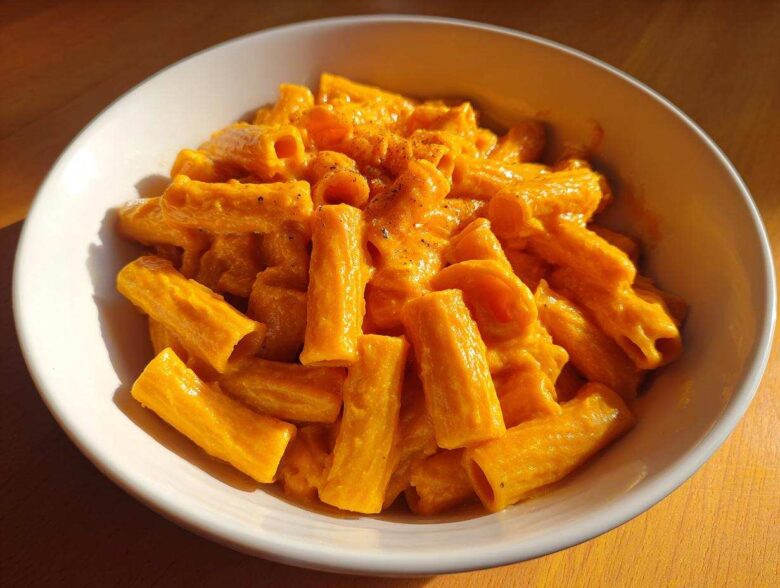
Oh my gosh, when that first cool snap hits and you just crave something incredibly cozy for dinner, you know exactly what I reach for? Anything squash related! But forget those complicated recipes; I’ve perfected the ultimate, speedy weeknight winner: my creamy roasted butternut squash pasta. Trust me, I spent years tweaking this sauce—trying every spice and roasting time—to make sure it’s unbelievably rich without needing hours in the kitchen. This version uses roasted squash magic to create a velvety smooth sauce that coats every piece of pasta perfectly. It tastes gourmet, but honestly, it comes together fast enough for a Tuesday night. If you’re ready to sink into pure, seasonal comfort, you absolutely need this recipe in your life!
Why This Creamy Roasted Butternut Squash Pasta is a Fall Favorite
Honestly, this dish is my seasonal superstar for so many reasons. You look forward to the chillier weather just so you can make it!
- The texture is what gets me every time—it’s so lush and creamy, you won’t believe it’s mostly vegetables!
- Roasting the squash first brings out this incredible, mellow sweetness that simple boiled squash just doesn’t have.
- It’s proof that you can have incredibly cozy comfort food on the table fast, perfect when you’re hungry after a long day.
- It just screams autumn comfort, making it the perfect centerpiece for any fall dinner.
Ingredients for the Perfect Butternut Squash Pasta Sauce
Okay, let’s talk about what goes into this dreamy sauce. It’s all about simple stuff, but that squash—it has to be a good one! I really stress buying a nice, heavy medium squash because that’s where all the natural creaminess comes from for our butternut squash pasta.
Here’s the exact lineup you’ll need:
- 1 medium butternut squash (we’re looking for about 3 lbs on the scale)
- 2 tablespoons olive oil, plus a little extra just for roasting the squash
- 1 small yellow onion, chopped up nice and fine
- 2 cloves garlic, minced—don’t skimp here!
- 1 cup vegetable broth (store-bought is totally fine, don’t sweat it)
- 1/2 cup heavy cream (or, if you’re keeping it dairy-free like my sister, use full-fat coconut milk—it works miracles!)
- 1/2 teaspoon salt
- 1/4 teaspoon black pepper
- 1/4 teaspoon nutmeg (this adds that warm, cozy kick!)
- 1 pound pasta (I love penne or rigatoni because they grab the sauce so well)
- 1/4 cup grated Parmesan cheese (optional, but I almost always add it!)
Step-by-Step Guide to Making Butternut Squash Pasta
Creating this amazing, thick sauce for your butternut squash pasta is actually much simpler than you think! The secret is doing the oven work first while you prep everything else. We’re combining roasting with simple stovetop simmering to get maximum flavor with minimum fuss. Follow these steps carefully, especially around the blending phase, and you’ll get that unbelievably smooth, coating texture we all rave about. Don’t forget to save that starchy water—it’s liquid gold!
Roasting the Squash for Deep Flavor
First things first, crank that oven to 400 degrees F. You need to slice your squash in half and scoop out those slimy seeds. Drizzle the cut sides with oil, season lightly, and pop them face down on a sheet pan. Roast them until they are completely soft—usually 35 to 45 minutes. This slow roasting is crucial for making the best butternut squash pasta!
Creating the Creamy Squash Sauce
While the oven is doing its thing, let’s build the flavor base. Sauté your onion in olive oil until it’s soft, then throw in the garlic for just a minute until it smells amazing. Scoop that roasted squash flesh right into the pan. Add your broth, cream, and spices. Now, blend it until it’s absolutely silky smooth—I use my immersion blender right in the pan! If it looks stiff, slowly splash in some of that reserved pasta water until it’s pouring perfectly for your butternut squash pasta.
Combining Pasta and Sauce
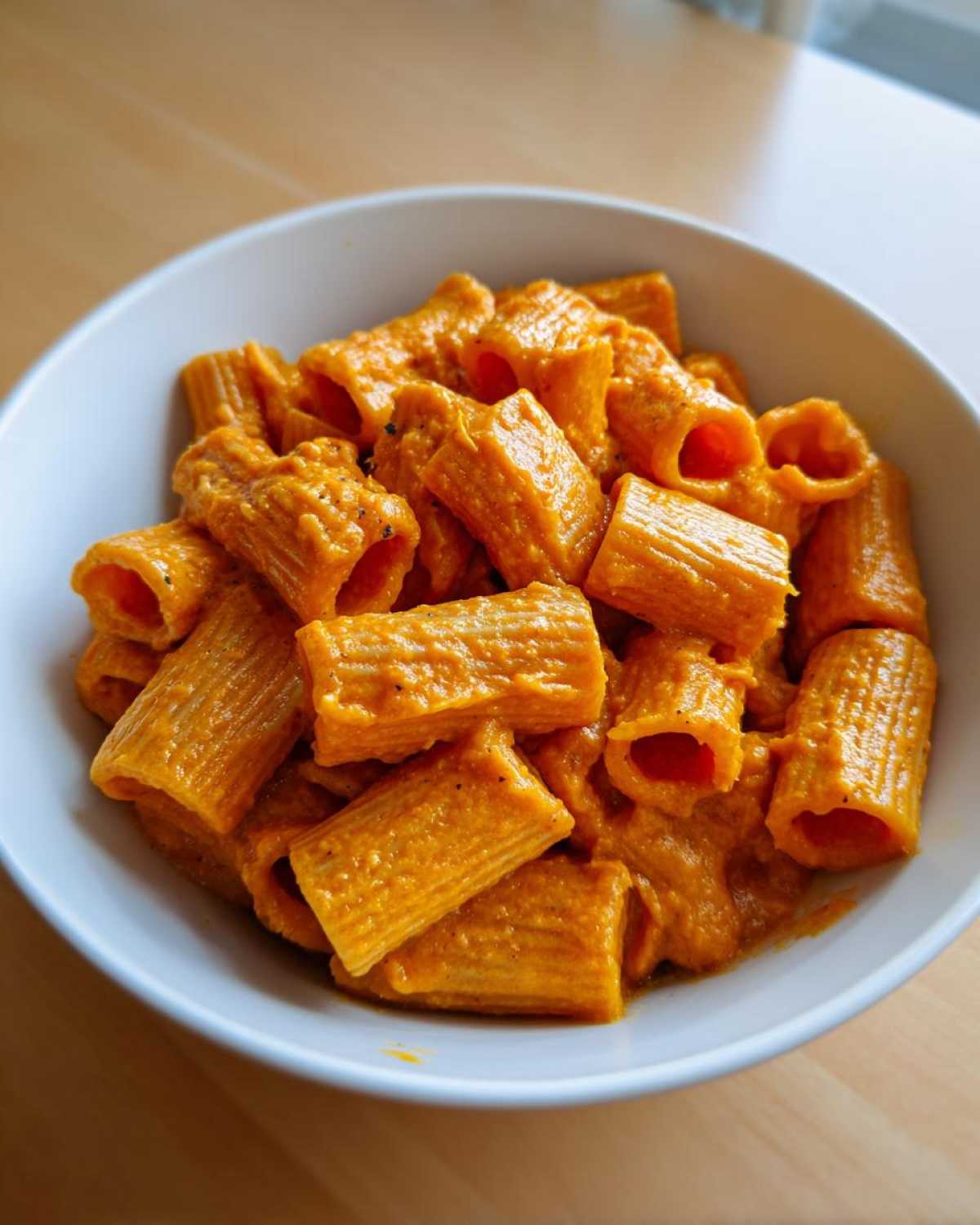
Cook your pasta until it’s just right (al dente!). Make sure you scoop out at least a cup of that starchy water before draining it all away. Toss the drained pasta right into the skillet with your creamy sauce. If you’re using Parmesan, stir it in now until it melts completely. That’s it! Your fantastic butternut squash pasta is done!
Tips for the Best Butternut Squash Pasta Results
If you want your butternut squash pasta to go from good to absolute showstopper, I have a few little secrets I rely on. First, when blending, if you accidentally make your sauce too thick—which happens if your squash was smaller—just whisk in a tiny bit more of that reserved starchy water. That starch is what helps the sauce cling beautifully to the pasta!
For flavor boosters, don’t be shy with aromatics. Sautéing the onion in a tablespoon of brown butter instead of plain olive oil adds this incredible nutty depth that takes this creamy dish right over the top. Also, a tiny pinch of fresh sage, added right when you toss the pasta in, makes this taste unbelievably autumnal.
And one last critical thing: make sure you blend that sauce until it has zero texture left. We want pure velvet for our butternut squash pasta!
Ingredient Notes and Substitutions for Butternut Squash Pasta
I get asked all the time about substitutions, especially when people want to make this butternut squash pasta vegan. The heavy cream is the easiest fix! Full-fat canned coconut milk works beautifully in place of cream; it keeps the sauce unbelievably rich, though it might add a whisper of coconut flavor—which honestly pairs nicely with the nutmeg.
If you’re out of vegetable broth, don’t stress! Water works, but you’ll lose some savory depth, so maybe toss in an extra pinch of salt. And for the pasta shape? While I love rigatoni, anything with ridges or a hollow center—like penne or even shells—is best because it traps that lovely squash sauce inside. These little details make all the difference for a perfect bowl of butternut squash pasta.
Variations on Your Butternut Squash Pasta Dinner
The beauty of this butternut squash pasta recipe is how easily you can dress it up or down depending on what you have. If you need to turn this into a heartier meal, just toss in some crumbled, pre-cooked Italian sausage when you’re combining the sauce and pasta. It adds a lovely savory punch!
If you’re looking to sneak in extra greens, sautéed spinach or finely chopped kale wilts down perfectly into the sauce during the final mixing stage. For a little kick, try adding a pinch of red pepper flakes along with your nutmeg when you blend everything up. It keeps the cozy vibe but adds necessary warmth to the butternut squash pasta!
Serving Suggestions for Butternut Squash Pasta
This creamy butternut squash pasta is seriously rich and satisfying all on its own, but every great meal needs a friend on the plate!
Since the sauce is so savory and thick, I always keep the sides light. A simple side salad dressed with a bright lemon vinaigrette is the perfect counterpoint. You want that zing to cut through the creaminess!
And seriously, never forget the bread. Grab a crusty baguette for dipping in any leftover sauce—it’s mandatory. This makes the entire butternut squash pasta experience complete!
Storing and Reheating Leftover Butternut Squash Pasta
Good news! This butternut squash pasta actually keeps really well. Just pop the leftovers into an airtight container and stick them in the fridge for up to three days. Now, I have to warn you: the sauce gets super thick when it chills—don’t panic! When you reheat it, toss the pasta and sauce in a pan with a splash of that reserved pasta water or just plain water. That little bit of moisture loosens everything right back up, making your butternut squash pasta creamy again!
Frequently Asked Questions About This Creamy Pasta Dish
Can I use pre-cut, fresh butternut squash for this recipe?
Oh, I totally get the time crunch! Yes, you certainly can use pre-cut squash chunks if you find them, but you need to make sure they are soft enough to blend. I still recommend roasting them until you can easily mash them with a fork—don’t just steam them! This roasting step is key to getting that deep, savory flavor for your squash sauce recipes.
Is this butternut squash pasta recipe easily made vegan?
Absolutely! This recipe leans toward being a great vegetarian pasta dinner already. To make it fully vegan, just use the full-fat coconut milk in place of the heavy cream. Also, skip the Parmesan cheese at the end, or use a nutritional yeast blend if you want that cheesy flavor boost. It stays incredibly creamy, I promise!
How can I adjust the spice level in this fall pasta recipe?
If you like a little heat with your fall pasta recipe, you have easy options here! The best way is to add about a quarter teaspoon of red pepper flakes right when you sauté the garlic and onion. That gentle heat infuses the oil nicely. You can also add a tiny dash of cayenne pepper when you blend the sauce, but be careful—a little goes a long way!
What if my sauce is too thin after blending?
Don’t panic if the sauce looks runny when you first blend it! That’s why we saved that starchy pasta water. Slowly incorporate just a tablespoon or two of that water at a time into the sauce while stirring over low heat. The starches will emulsify and thicken it right up. It should be thick enough to coat the back of a spoon when you’re done!
PrintCreamy Roasted Butternut Squash Pasta
A simple recipe for creamy pasta using roasted butternut squash for a rich, savory fall sauce.
- Prep Time: 15 min
- Cook Time: 50 min
- Total Time: 65 min
- Yield: 4 servings
- Category: Dinner
- Method: Stovetop and Roasting
- Cuisine: American
- Diet: Vegetarian
Ingredients
- 1 medium butternut squash (about 3 lbs)
- 2 tablespoons olive oil, plus more for roasting
- 1 small yellow onion, chopped
- 2 cloves garlic, minced
- 1 cup vegetable broth
- 1/2 cup heavy cream (or full-fat coconut milk for dairy-free)
- 1/2 teaspoon salt
- 1/4 teaspoon black pepper
- 1/4 teaspoon nutmeg
- 1 pound pasta (e.g., penne or rigatoni)
- 1/4 cup grated Parmesan cheese (optional)
Instructions
- Preheat your oven to 400 degrees F (200 degrees C). Cut the butternut squash in half lengthwise and scoop out the seeds. Drizzle the cut sides with olive oil, season with salt and pepper, and place cut-side down on a baking sheet. Roast for 35 to 45 minutes, or until the squash is tender when pierced with a fork.
- While the squash roasts, cook the pasta according to package directions until al dente. Reserve about 1 cup of the starchy pasta water before draining.
- In a large skillet over medium heat, add 2 tablespoons of olive oil. Sauté the chopped onion until soft, about 5 minutes. Add the minced garlic and cook for 1 minute more until fragrant.
- Once the squash is cool enough to handle, scoop the flesh out of the skin and add it to the skillet with the onions and garlic.
- Add the vegetable broth, heavy cream (or coconut milk), salt, pepper, and nutmeg to the skillet. Stir well.
- Use an immersion blender or carefully transfer the mixture to a standard blender. Blend until the sauce is completely smooth and creamy. If the sauce is too thick, add a splash of the reserved pasta water until you reach your desired consistency.
- Return the sauce to the skillet over low heat. Stir in the drained pasta. If using, mix in the Parmesan cheese until melted.
- Serve immediately.
Notes
- For a richer flavor, roast the squash with a sprinkle of brown sugar before blending.
- Add cooked, crumbled sausage or sautéed spinach to the sauce when combining with the pasta for added protein and vegetables.
- If you do not have vegetable broth, use chicken broth or plain water, though the flavor will be less deep.
Nutrition
- Serving Size: 1 serving
- Calories: 550
- Sugar: 10
- Sodium: 450
- Fat: 22
- Saturated Fat: 12
- Unsaturated Fat: 8
- Trans Fat: 0
- Carbohydrates: 75
- Fiber: 9
- Protein: 18
- Cholesterol: 45