

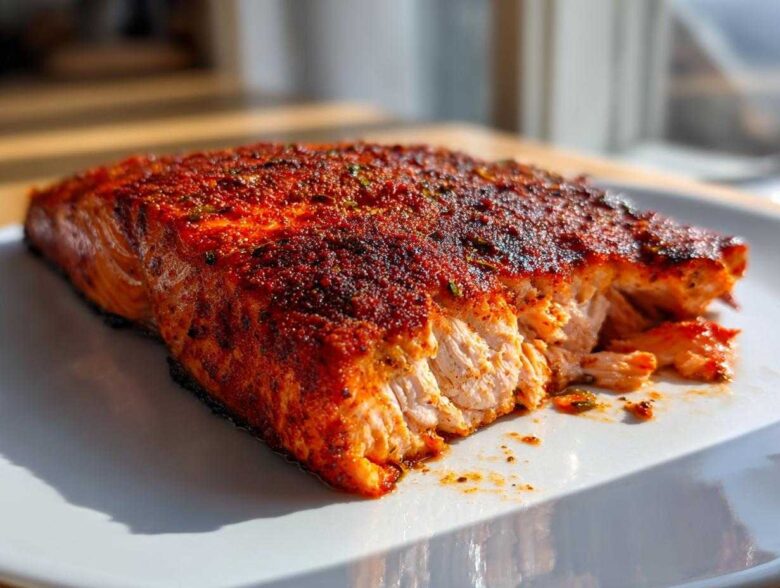
Oh man, when the weather finally gets warm, you know what I’m rushing out to do? Fire up the grill! There’s just something about that smoky char you can’t replicate inside, especially when you’re dealing with big, beautiful flavor like Cajun seasoning. Forget timid fish recipes; we’re going for bold, baby! This recipe for the Cajun Salmon, Grilled isn’t just another dinner; it’s that perfect combination of smoky crust and unbelievably juicy interior. I spent way too many summers messing up fish on the grate—sticking, burning, you name it—but once I figured out the heat control for spicy rubs, everything changed. Trust me, once you master this technique, you’ll be making this spicy grilled salmon all summer long!
Why You Need This Recipe for Cajun Salmon, Grilled
Honestly, this is the grilled fish recipe you’ll keep coming back to all year long. It’s fast, it brings the heat, and it gives you that restaurant-quality crust without any fuss!
-
Quick Prep and Cook Times
We’re talking about 10 minutes to prep the spice rub and the fish, and only about 12 minutes total on the heat. It’s a total lifesaver for a quick weeknight grilled salmon when you want amazing flavor fast.
-
Authentic Spicy Flavor Profile
That homemade Cajun rub I use? It’s the real deal. It locks onto the salmon and turns into this gorgeous, slightly fiery crust over the coals. You get that authentic smoky finish that only the grill can provide!
Homemade Cajun Spice Blend for Perfect Cajun Salmon, Grilled
If you want truly deep, complex flavor that’s more than just salty heat, you absolutely have to make your own spice rub. Those jars you buy at the store? They’re okay in a pinch, but they never have the punch this blend does. Learning how to make homemade Cajun rub for fish is the single best way to elevate any simple weeknight seafood meal. I mix this up big batches of it and keep it in a tiny jar right by my spice rack.
The magic here is the paprika—we use plenty because it gives the salmon that beautiful welcoming red crust when it hits the heat, and the cayenne is there to give you that little kick on the finish. Don’t skip the herbs, either! The thyme and oregano bring a necessary earthiness that balances out the smoke.
-
Ingredients for the Homemade Cajun Rub for Fish
- 1 tablespoon paprika
- 1 teaspoon cayenne pepper (adjust to your heat preference)
- 1 teaspoon garlic powder
- 1 teaspoon onion powder
- 1 teaspoon dried oregano
- 1 teaspoon dried thyme
- 1 teaspoon salt
- 1/2 teaspoon black pepper
Just mix all that up until it’s perfectly uniform. Seriously, smell that? That is the smell of a fantastic dinner coming right up!
Assembling Your Cajun Salmon, Grilled Fillets
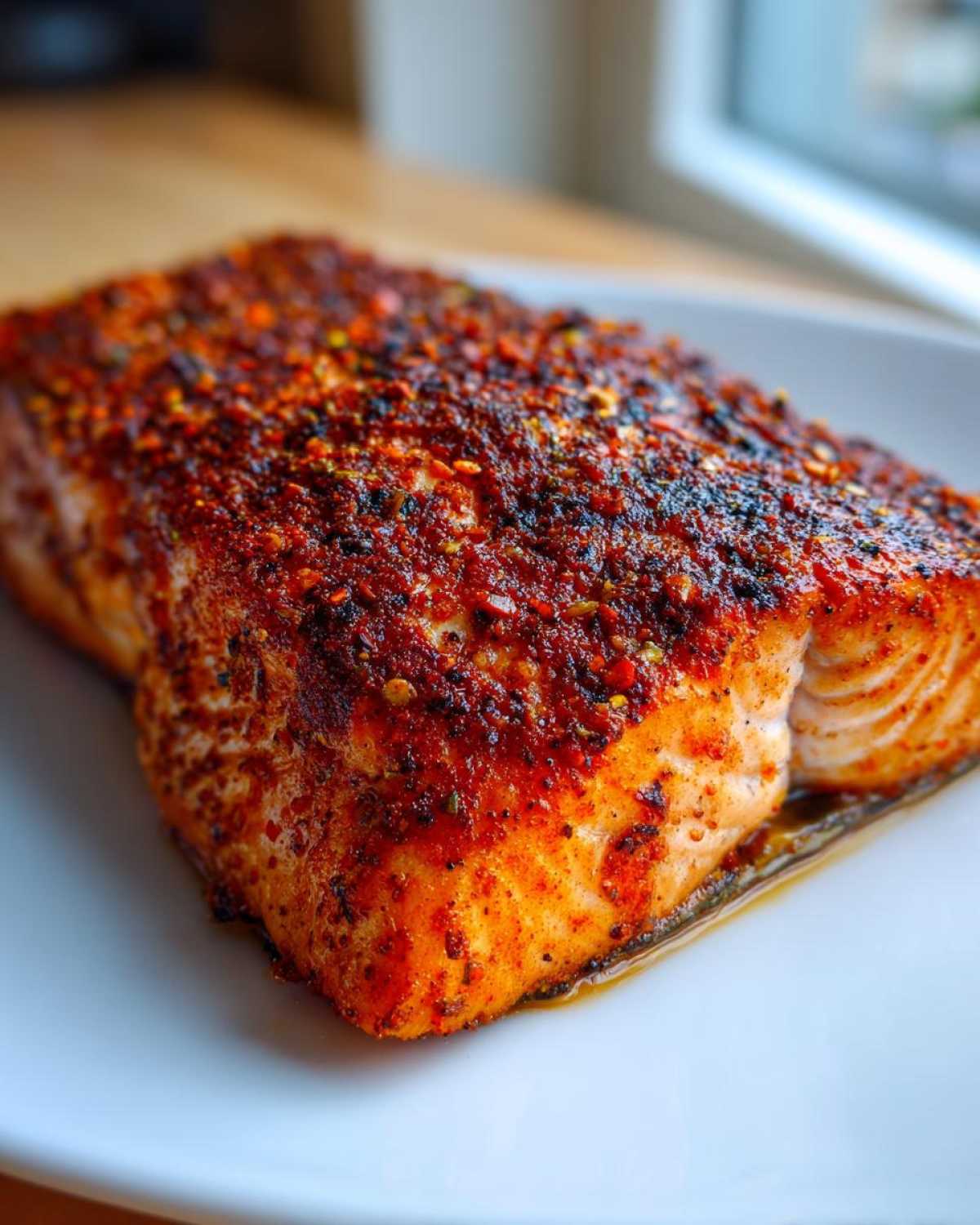
Now that your spice blend is ready for action, let’s get this amazing Cajun salmon, grilled ready for its moment on the heat. First thing, and this is non-negotiable, you need to pat those salmon fillets super dry with a paper towel. Moisture is the enemy of a good crust, and we are building crust today! After drying, grab that olive oil—we use 2 tablespoons total—and brush a thin layer all over the fish. This oil is what helps everything stick just right.
Next, you’ll be liberal with your homemade rub. Sprinkle it evenly across the top, sides, and bottom if you prefer. After distributing the spice, I always take my palms and gently press down on the fillet, sort of rocking my hands back and forth. That firm press makes sure the spices adhere properly. You want that beautiful coating to stay put when you transfer it to the grill. If you’re looking for other tasty salmon ideas, check out this recipe for one-pan creamy garlic butter salmon with spinach, but for now, these bold fillets are ready for the fire!
The Best Way to Grill Cajun Salmon: Temperature and Technique
Alright, here’s where we separate the grill masters from the fish-stick victims! Getting the heat right is the secret to the best way to grill Cajun salmon. You need that medium-high heat—target about 400 degrees Fahrenheit. It has to be hot enough to sear that spice rub into a crust, but not so blazing hot that it instantly burns the outside before the center cooks.
Now, let’s talk about sticking. This happens to everyone, especially with sticky spices like ours. Before anything touches the grate, you need to clean them thoroughly. Then, I use that classic trick: fold up a paper towel, use some tongs to hold it securely, dip it lightly in oil, and rub down the hot grates right before the salmon goes on. This creates a temporary, non-stick barrier. It’s the absolute best insurance against losing half your beautifully seasoned fillet to the metal. You can see how I tackle other fish cooking methods, like in my air fryer salmon recipe, but for that smoky char, the grill wins!
This whole process is what makes or breaks our Cajun salmon, grilled. You want that intense, dry heat to work its magic on the seasoning.
-
Direct Heat Grilling Instructions for Spicy Grilled Salmon
If you’re using skin-on fillets, place them skin-side down right onto those freshly oiled, hot grates. If you’re skinless, just lay them seasoned-side down first! Close the lid and don’t peek or poke for at least four minutes. That window is crucial for building that beautiful, spicy barrier. Seriously, resist the urge to move it! After that initial sear time, you can check underneath. Flip carefully and cook for another 4 to 6 minutes until they’re looking just right.
Achieving Perfectly Cooked Grilled Fish: Doneness Cues
This is the moment of truth, isn’t it? We don’t want dry, sad fish; we want that gorgeous, flaky texture that makes grilled food so appealing. When aiming for perfectly cooked grilled fish, you have a couple of secret weapons beyond just looking at it. The gold standard is always an instant-read thermometer:
Stick that probe right into the thickest part of the fillet, avoiding the grate completely. You’re looking for an internal temperature of 145 degrees Fahrenheit. If you don’t carry a thermometer outside with you (I often forget mine!), watch for the color change. The salmon should look fully opaque, not translucent in the center, and it should easily flake apart when you gently nudge it with a fork.
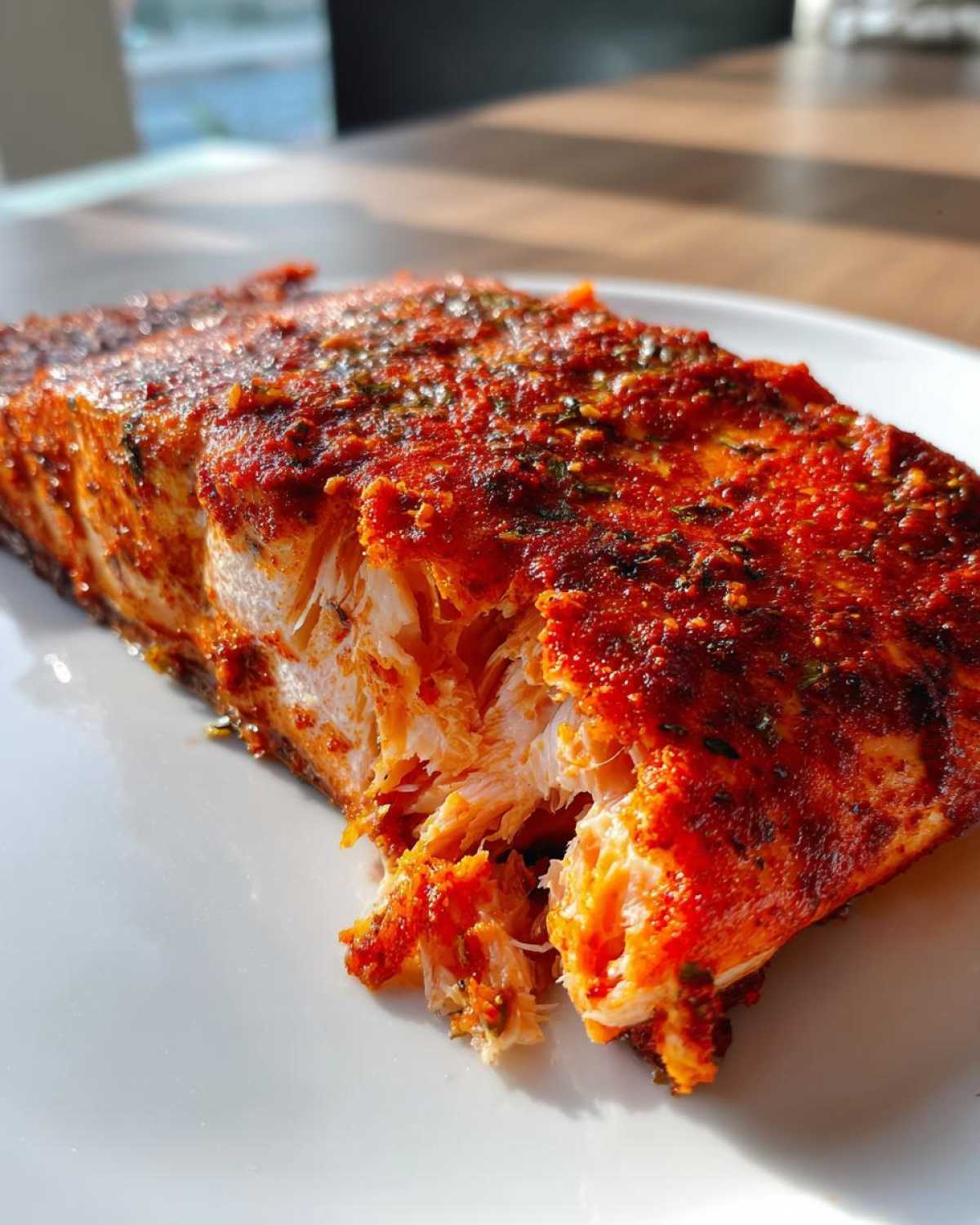
Once it hits that mark, pull it off immediately! Take it right off the heat and let it rest for about two minutes before you even think about plating it up. That short rest lets the juices settle back into the meat.
Variations for Your Cajun Salmon, Grilled Experience
While I adore that direct heat sear for the crust, sometimes I want a slightly milder, almost steamed interior flavor, which is where cedar planks come into play! If you want to try Cajun salmon, grilled in a way that imparts a beautiful, woodsy smoke, this is the way to go. It’s wonderful when you’re hosting a crowd or just want a different texture.
The most important part you can’t skip is the soak. You need to get those planks completely submerged in water for at least two hours before you even think about lighting the grill. When you’re ready to cook, place your seasoned salmon right on top of the wet plank.
-
Cedar Plank Grilling Cajun Style
Since the plank is soaking up water, you need to cook this setup over indirect heat—meaning, not directly over the flame or coals. Put the plank on one side of the grill, and keep the fire burning only on the other side. This lets the plank smolder slowly, releasing that amazing smoky flavor instead of instantly catching fire. If you want a deep dive into this method, you might like these cedar plank grilled salmon tips!
Serving Suggestions for Summertime Cajun Seafood Grilling
You can’t just serve this amazing bold fish all by itself, right? That spice level deserves some cooling, fresh friends on the plate! Since we are deep into summertime Cajun seafood grilling mode, I keep the sides light and bright. My go-to pairing, just like the recipe notes suggest, is fresh grilled asparagus—it adds that nice green crunch. And honestly, a little mound of plain white rice is perfect for soaking up any extra spicy juices and balancing the heat. I also love making a big side of black bean and corn succotash!
If you want something savory but still light for your grain component, try making some French onion butter rice; it complements the smokiness so well. Keep it fresh, keep it simple, and let that beautiful Cajun salmon be the star!
Storage and Reheating Instructions for Leftover Cajun Salmon, Grilled
What’s better than eating amazing Cajun salmon, grilled the first night? Eating it the next day for lunch! If you’re lucky enough to have leftovers, you need to treat them right so they don’t dry out. Make sure to transfer any remaining fillets into a truly airtight container. I like using glass containers because they don’t hold onto odors. Keep it tucked into the fridge for up to three days—that’s usually how long it stays perfectly good.
When you go to reheat it, skip the microwave if you can! That’s how you lose all the moisture we worked so hard to keep in there. The absolute best way is to wrap that spicy leftover fish tightly in aluminum foil and put it back on a low-temp grill (around 250°F) for just a few minutes until it’s warmed through. If the grill’s off, the oven on a low setting works great too!
Frequently Asked Questions About Spicy Grilled Salmon Instructions
I know you probably have a few other questions rattling around in your head, especially if this is your first time trying to nail the perfect Cajun salmon, grilled! Don’t worry about it; we all started somewhere. Here are the biggest things people ask me about keeping their fish juicy while getting that great spicy crust.
-
Can I use skinless salmon fillets for this recipe?
You absolutely can! Honestly, sometimes I skip the skin because it makes for a cleaner fillet when you’re ready to serve. The trick is that the skin acts as a shield against the direct heat, so if you’re skinless, you have to be extra diligent about oiling those grates. Use that paper towel oil trick twice if you need to, and be super gentle when you flip it!
-
What if I don’t have a grill? Can I bake this Cajun Salmon?
Oh, the great culinary compromise! Yes, you can bake it! If your grill is having a bad day or the weather is just awful, crank your oven to 400 degrees Fahrenheit. Just toss those seasoned fillets onto a lined baking sheet and bake for about 12 to 15 minutes, depending on thickness. Or, you can finish it under the broiler for the last minute or two to fake that charred crust. This is always a great backup for Cajun seasoned grilled salmon recipes.
-
How can I adjust the spice level of the rub?
This is entirely up to your spice tolerance! We used 1 teaspoon of cayenne pepper in that rub, which gives a nice medium heat kick. If you are someone who loves intense heat, go ahead and bump that cayenne up to 1 and a half teaspoons, or even a full two teaspoons if you’re brave! If you like just a gentle warmth, cut the cayenne down to a half teaspoon. You can find more tips on keeping your grub healthy in my guide on healthy grilled fish recipes with spice rub!
Either way you cook it, you’re getting a ton of flavor and keeping things nice and low-carb!
PrintPerfectly Grilled Cajun Salmon: Juicy Inside, Spicy Crust
Follow these steps to prepare and grill salmon fillets coated in a homemade Cajun spice rub for a flavorful, slightly spicy, and smoky dinner.
- Prep Time: 10 min
- Cook Time: 12 min
- Total Time: 22 min
- Yield: 4 servings
- Category: Dinner
- Method: Grilling
- Cuisine: Cajun
- Diet: Low Fat
Ingredients
- 4 (6 ounce) salmon fillets, skin on or off
- 2 tablespoons olive oil
- For the Cajun Rub:
- 1 tablespoon paprika
- 1 teaspoon cayenne pepper (adjust to your heat preference)
- 1 teaspoon garlic powder
- 1 teaspoon onion powder
- 1 teaspoon dried oregano
- 1 teaspoon dried thyme
- 1 teaspoon salt
- 1/2 teaspoon black pepper
Instructions
- Prepare the Cajun Rub: In a small bowl, combine the paprika, cayenne pepper, garlic powder, onion powder, oregano, thyme, salt, and black pepper. Mix well.
- Prepare the Salmon: Pat the salmon fillets dry with paper towels. Brush both sides lightly with olive oil.
- Season the Salmon: Sprinkle the Cajun rub evenly over all sides of the salmon fillets, pressing gently so the spices adhere.
- Preheat the Grill: Preheat your gas or charcoal grill to medium-high heat (about 400 degrees Fahrenheit). Clean the grates well.
- Prevent Sticking: Lightly oil the clean, hot grill grates by folding a paper towel, dipping it in oil, and using tongs to rub the grates just before placing the fish down.
- Grill the Salmon: Place the salmon fillets skin-side down (if using skin-on) directly over the heat. Close the grill lid.
- Cook Time: Grill for 4 to 6 minutes per side, depending on the thickness of the fillet. Avoid moving the fish during the first few minutes to allow a crust to form.
- Check Doneness: The salmon is done when it flakes easily with a fork and the internal temperature reaches 145 degrees Fahrenheit. The center should look opaque.
- Serve: Remove the salmon from the grill and let it rest for 2 minutes before serving with your choice of sides.
Notes
- For cedar plank grilling, soak the plank in water for at least 2 hours before use. Place the seasoned salmon on the soaked plank and cook over indirect heat until done.
- If you prefer less spice, reduce the cayenne pepper to 1/2 teaspoon.
- Pair this salmon well with grilled asparagus or a simple serving of white rice.
Nutrition
- Serving Size: 1 fillet
- Calories: 280
- Sugar: 0.5
- Sodium: 450
- Fat: 15
- Saturated Fat: 3
- Unsaturated Fat: 12
- Trans Fat: 0
- Carbohydrates: 2
- Fiber: 0.5
- Protein: 32
- Cholesterol: 85