

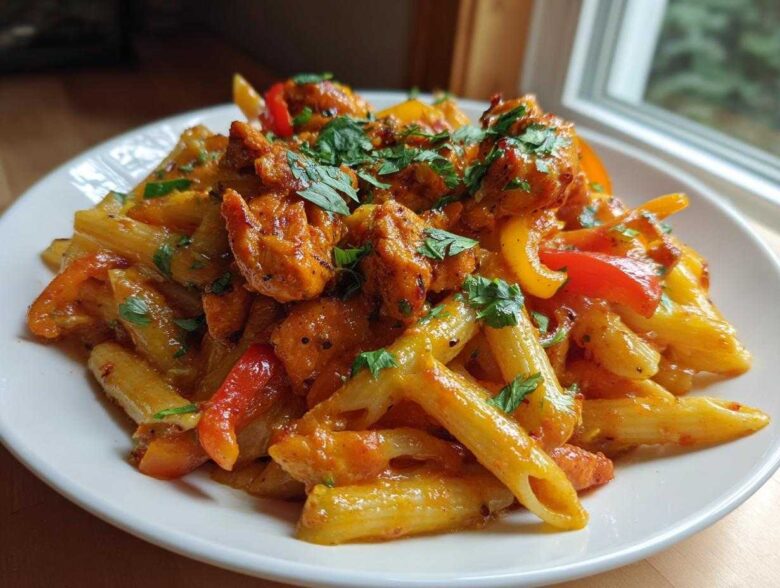
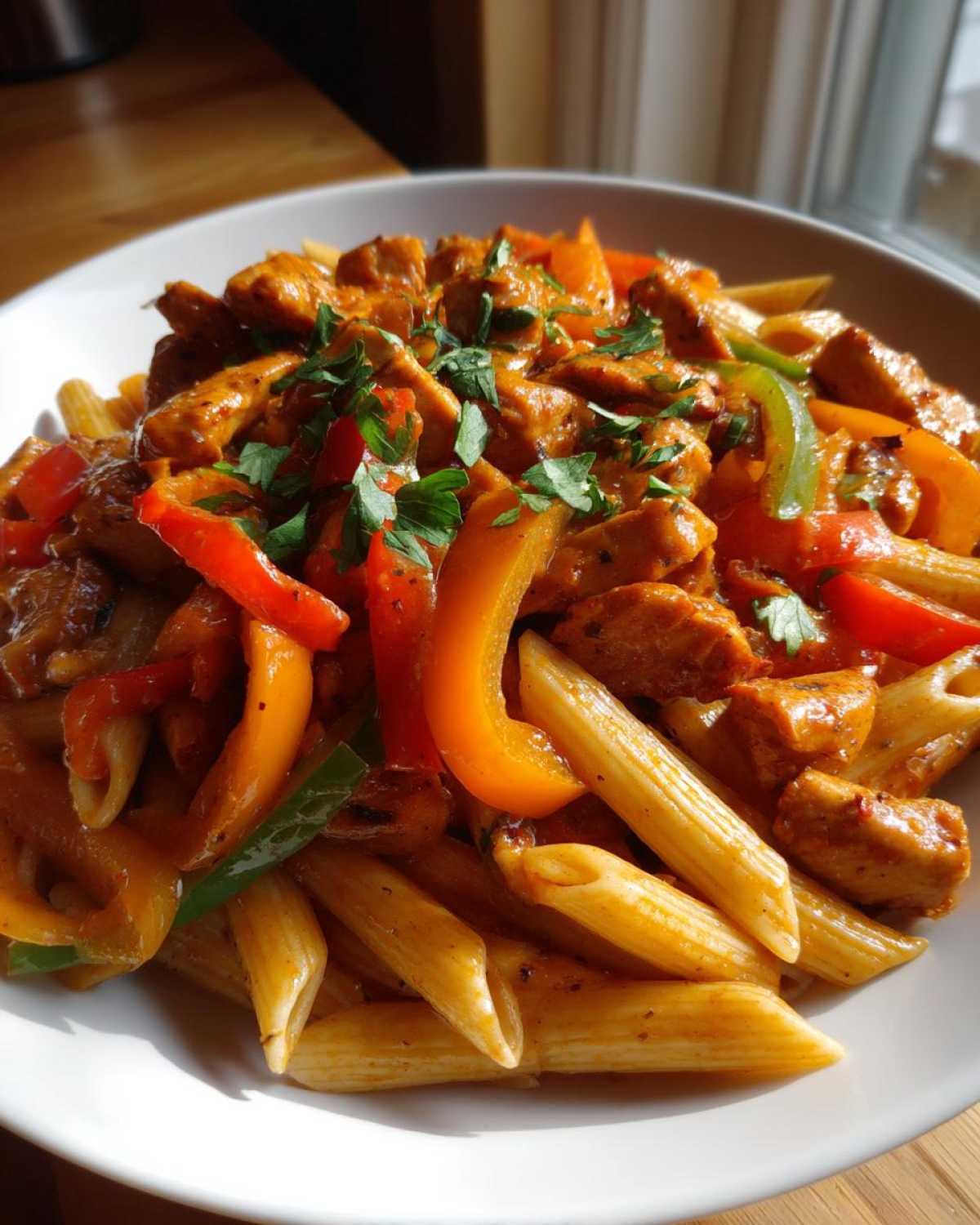
Oh my goodness, if you are craving comfort food that kicks you in the best way possible, you have landed in the right spot! Forget those bland, muddy pasta dishes you see everywhere. We are diving headfirst into the vibrant, sunshine-filled flavors of the Caribbean with what I promise is the ultimate Creamy Jamaican Rasta Pasta recipe. The real magic here comes from pairing spicy, beautiful jerk chicken with a rich sauce made from coconut milk. I spent ages trying to get the balance right—you need that gentle heat to cut through the creaminess, not overpower it. Trust me when I say this rasta pasta will change your weeknight dinners forever!
If you want to start exploring more amazing Jamaican cooking, you should check out some of the best Jamaican recipes out there!
Why This Creamy Rasta Pasta is Your New Favorite Weeknight Caribbean Meal
Honestly, this recipe is a lifesaver when you need something amazing fast. It truly delivers that authentic, hearty taste without keeping you chained to the stove all night. This makes it the perfect Weeknight Caribbean Meal.
- It’s lightning fast! Total time is only about 40 minutes, tops.
- The flavor profile is spot on: beautifully spicy, incredibly rich, and totally authentic Jamaican.
- It’s easy enough for beginners, but exciting enough for experienced cooks who want a great Spicy Creamy Pasta.
Seriously, you need this quick Jamaican dinner in your rotation!
Essential Ingredients for Authentic Rasta Pasta with Chicken
Okay, listen up, because the ingredient list is where we lock in that authentic Jamaican flavor. We aren’t messing around with substitutes here, especially when it comes to the sauce base! You absolutely must grab that can of full-fat coconut milk. Light coconut milk just doesn’t cut it; we need the richness to balance the jerk spice and make this truly the creamy rasta pasta we dream about.
For the main event, we use a pound of boneless, skinless chicken breast, cut up nice and small, about bite-sized pieces. On the vegetable side, the color is crucial, so grab one red bell pepper and one yellow bell pepper, both sliced up. You’ll also want a medium onion, finely chopped, and two good cloves of garlic minced super fine. Don’t forget the seasonings—we need two teaspoons of jerk seasoning, dried thyme, salt, and pepper.
And of course, the noodle! For this recipe, I insist on penne pasta, about a pound of it. It holds onto that amazing sauce better than anything else. If you need help finding great full-fat coconut milk, check out my tips on making the best coconut milk recipes!
Ingredient Notes and Substitutions for Your Rasta Pasta
I know not everyone eats chicken, so let’s talk swaps! If you want a fantastic Rasta Pasta Vegetarian Option, simply ditch the chicken and toss in one can of rinsed and drained chickpeas when we add the sauce in step five. They soak up all that gorgeous flavor!
Now, the jerk seasoning—this is your wild card. Some brands are fiery volcanoes, and others are just pleasantly spicy. Always taste your seasoning *before* you add it to the chicken. If you think it might be too hot for your family, maybe start with just one teaspoon and work your way up. Remember, you need that spice to balance the creaminess, but we don’t want tears at the dinner table!
And just to reiterate, stick with penne or maybe ziti—something sturdy. This isn’t the dish for delicate angel hair, okay? I have more details on making this vegetarian-friendly over on my post about Rasta Pasta Vegetarian Options.
How to Make Creamy Jamaican Rasta Pasta Step-by-Step
Learning exactly how to make rasta pasta this way has been a game-changer in my kitchen! The key is managing your time by multitasking, just like when you cook any great stovetop meal. We want flavor layers, so we cook things in stages rather than dumping everything in at once. Don’t toss that starchy water after you drain your penne—that reserved pasta water is liquid gold for making sure your final sauce clings perfectly to every noodle!
For a huge collection of simple, flavor-packed dishes, you might want to look at how to make easy rasta pasta!
Cooking the Pasta and Preparing the Jerk Chicken
First things first: get that pound of penne boiling according to the package—we want it perfectly al dente. While that’s happening, grab your skillet. Heat the olive oil up medium-high and toss in your bite-sized chicken pieces. Season them right away with about half of your jerk seasoning mix, plus the salt and pepper. You need to cook this chicken until it’s fully browned and cooked right through, which usually takes about five to seven minutes. Once it’s done, pull that chicken out and set it aside in a bowl nearby. We don’t want to dry it out by leaving it in the heat!
For more recipes focused on that spicy kick, check out my guide to jerk seasoning pasta recipes!
Building the Flavorful Coconut Milk Sauce for Rasta Pasta
Now we build the body of that beautiful sauce! Lower the heat down to medium. Toss in your chopped onion and those gorgeous, vibrant red and yellow bell peppers—this is what makes it that famous colorful bell pepper pasta look! Sauté those veggies until they’ve softened up nicely, about five minutes.
Next up, wake up the flavors! Add your minced garlic, the rest of your jerk seasoning, and the dried thyme. Let that all cook for sixty seconds until you can really smell that aroma—that’s called blooming the spices, and it’s non-negotiable!
Time for the magic: pour in the full-fat coconut milk and the chicken broth. Bring that whole thing to a gentle bubble, let it simmer for about three minutes so it thickens up just a tiny bit. Then you whisk in that grated Parmesan cheese until it’s totally smooth. If it looks too thick—and remember, we want rich, not gloppy—stir in a splash of that reserved pasta water until it looks shiny and perfect for coating. If you love an ultra-rich sauce, see my notes on using coconut milk in pasta sauce!
Combining Everything for the Perfect Rasta Pasta Finish
Once your sauce is silky smooth and gorgeous, bring that cooked chicken right back into the skillet. Now, drain the pasta (but seriously, don’t forget that water!) and add it straight into the sauce. Toss everything together GENTLY but thoroughly. You want every single piece of penne coated in that creamy, spicy heaven. That’s the whole point of this pasta with jerk flavors!
Serve it right away, loaded high onto your plates, and finish it off with a generous sprinkle of fresh, chopped cilantro. It just brightens everything up so nicely!
Tips for the Best Rasta Pasta Success
I want you to have the best experience making this dish, so let’s talk troubleshooting right now. If your sauce ever looks like it’s threatening to split or get grainy when you add the cheese—don’t panic! That usually means the heat is too high. Pull the pan off the burner totally and stir in a little bit of that reserved pasta water; it’s the starch that helps emulsify everything back into creamy perfection.
For the chicken, remember I told you to cook it separately? That keeps it tender. If you cook it in the coconut milk sauce, it gets tough and chewy, and nobody wants that! Always taste your spice mixes before you add them. Jerk seasoning varies wildly, so start conservatively, toss it with the chicken, and then maybe add a little extra to the sauce later if you need more zing.
If you’re looking for more inspiration on creating truly flavorful pasta dishes that impress, take a look around my other recipes!
Serving Suggestions for Your Rasta Pasta Dinner
Because this Caribbean Pasta Dinner is so rich from the coconut milk and the jerk spice, you really want side dishes that offer a clean, fresh contrast. Think bright and cool!
My absolute favorite pairing is something crunchy and simple. A quick side salad dressed with lime juice and a tiny bit of olive oil works wonders to cut through all that creaminess. Or, if you want something warm, serve it alongside some perfectly steamed green beans. They just let the pasta shine, you know?
If you’re looking for an extra green veggie boost that still feels totally Caribbean, I highly recommend making my ultimate veggie stir-fry with brown rice on the side. It’s a great way to round out the meal!
Storage and Reheating Instructions for Leftover Rasta Pasta
The great thing about this rasta pasta is that it tastes even better the next day! After it cools down, scoop those leftovers into a clean, airtight container. I find that if you try to store it for too long, the pasta starts to soak up all the sauce, so aim to eat it within three days for the best texture.
When you are ready to eat it again, do not blast it in the microwave! High heat is what makes that coconut milk sauce separate and look oily. Instead, reheat it gently on the stovetop over low heat, stirring constantly. If it seems stiff, splash in a tiny bit of water or broth until it loosens back up into that perfect creamy consistency. It’s so easy—no stress!
Frequently Asked Questions About Rasta Pasta
I know sometimes recipes spark a few extra questions, especially when you are trying to capture that authentic Caribbean flavor! Here are a few things folks often ask me when they are making this rasta pasta with chicken at home.
What is the traditional spice in Rasta Pasta?
The heart and soul of authentic Rasta Pasta is definitely jerk seasoning! You want a good quality one, too—it should smell spicy, fragrant, and maybe a little smoky. That complex flavor is totally essential to distinguish it from any other spicy creamy pasta dish. Don’t be shy, but remember that it packs a punch!
Can I use shrimp instead of chicken in this Rasta Pasta?
Oh, yes! Shrimp is a fantastic substitute for the chicken. It makes for a wonderful quick Jamaican dinner. The trick here is that shrimp cooks crazy fast, so you don’t want to cook it with the chicken earlier like we did in the main recipe. Instead, let your sauce simmer fully, and then just toss the raw, peeled shrimp in right at the very end—maybe two or three minutes before serving—just until they turn pink. They’ll cook perfectly in the residual heat of that creamy sauce!
What pasta shape works best for this Jamaican Pasta Recipe?
I stand by penne for the best results because those ridges grab onto that thick sauce like nobody’s business. However, if you don’t have penne on hand, don’t sweat it! Ziti works great, or even rotini if you have it. The important thing when making any Pasta with Jerk Flavors is choosing a medium-sized shape that can hold up to the weight of the sauce without getting lost in the skillet.
Can this Rasta Pasta be made without coconut milk for a lighter sauce?
You can definitely try! If you skip the coconut milk, you are losing that signature Caribbean richness that makes this dish so satisfying. If you absolutely must lighten it up, you could swap it for evaporated milk, but I always suggest using at least *light* coconut milk first. If you’re set on low-fat, just know that any Creamy Rasta Pasta made without full-fat milk won’t have the same velvety texture, so you may need extra reserved pasta water to get it to cling right. You can read more about adapting the richness here on my post about Rasta Pasta with Chicken!
Estimated Nutritional Information for Rasta Pasta
Okay, let’s talk fuel! Because this dish is packed with chicken, coconut milk, and cheese, it’s a really satisfying meal, which means the numbers are a little higher than, say, a plain bowl of spaghetti. I’ve pulled the estimates based on one serving size, but remember that exact nutrition can swing wildly based on the brand of jerk spice or the amount of Parmesan you load in!
We always want to be transparent about what we are eating, right? So, here is the breakdown based on the recipe amounts we used for four servings:
- Serving Size: 1 serving
- Calories: 650
- Fat: 30g (with 18g being saturated fat—that’s the coconut milk doing its job!)
- Carbohydrates: 70g
- Protein: 35g
- Sugar: 8g
This is definitely a hearty dish, packed with protein from the chicken and good fats from the coconut milk. Please remember that these figures are estimates! If you are measuring your ingredients strictly, your final numbers might shift a bit. It’s just a guideline to help you plan that amazing Caribbean pasta dinner!
Share Your Creamy Rasta Pasta Creations
Now it’s your turn! I have shared all my secrets for getting that perfect spicy-meets-creamy sauce, and I am so excited for you to try this rasta pasta for yourself. Seriously, when you make this, I need to know how it turned out!
Did your jerk seasoning bring the heat you were hoping for? Did you manage to get that sauce coating every single noodle perfectly? Don’t be shy! Hop down to the comments below and let me know what you thought. If you can snap a picture of your vibrant, colorful skillet, please share it!
Once you’ve made it, please rate this recipe with five stars right here on the page—it helps other folks find this amazing Caribbean comfort food. You can also tag me on your social feeds! I love seeing your kitchen successes! For more fun recipes and cooking adventures, always swing by the main blog page!
PrintCreamy Jamaican Rasta Pasta with Jerk Chicken
Make this flavorful and creamy Jamaican Rasta Pasta featuring jerk-seasoned chicken and colorful bell peppers. This recipe uses coconut milk for a rich, Caribbean-style sauce.
- Prep Time: 15 min
- Cook Time: 25 min
- Total Time: 40 min
- Yield: 4 servings
- Category: Dinner
- Method: Stovetop
- Cuisine: Jamaican
- Diet: Vegetarian
Ingredients
- 1 pound penne pasta
- 1 pound boneless, skinless chicken breast, cut into bite-sized pieces
- 2 tablespoons olive oil
- 1 medium onion, chopped
- 1 red bell pepper, sliced
- 1 yellow bell pepper, sliced
- 2 cloves garlic, minced
- 2 teaspoons jerk seasoning (or more to taste)
- 1 teaspoon dried thyme
- 1/2 teaspoon salt
- 1/4 teaspoon black pepper
- 1 (13.5 ounce) can full-fat coconut milk
- 1/2 cup chicken broth
- 1/2 cup grated Parmesan cheese
- 1/4 cup chopped fresh cilantro for garnish
Instructions
- Cook the penne pasta according to package directions until al dente. Reserve 1/2 cup of the pasta water before draining. Set the pasta aside.
- In a large skillet, heat the olive oil over medium-high heat. Add the chicken pieces and season them with 1 teaspoon of the jerk seasoning, salt, and pepper. Cook until the chicken is browned and cooked through, about 5 to 7 minutes. Remove the chicken from the skillet and set it aside.
- Reduce the heat to medium. Add the chopped onion and sliced bell peppers to the same skillet. Cook until the vegetables soften, about 5 minutes.
- Add the minced garlic and the remaining 1 teaspoon of jerk seasoning and the dried thyme to the vegetables. Cook for 1 minute until fragrant.
- Pour in the coconut milk and chicken broth. Bring the mixture to a gentle simmer, stirring occasionally. Let it simmer for 3 minutes to allow the sauce to thicken slightly.
- Stir in the grated Parmesan cheese until the sauce is smooth. If the sauce seems too thick, add a splash of the reserved pasta water until you reach your desired consistency.
- Return the cooked chicken to the skillet. Add the drained pasta and toss everything together until the pasta is fully coated in the creamy sauce.
- Serve immediately, garnished with fresh cilantro.
Notes
- For a vegetarian version, substitute the chicken with 1 can (15 ounces) of drained and rinsed chickpeas, adding them in step 5.
- Adjust the amount of jerk seasoning based on its heat level and your preference for spice.
- If you do not have full-fat coconut milk, use light coconut milk, but the sauce will be less rich.
Nutrition
- Serving Size: 1 serving
- Calories: 650
- Sugar: 8
- Sodium: 550
- Fat: 30
- Saturated Fat: 18
- Unsaturated Fat: 12
- Trans Fat: 0
- Carbohydrates: 70
- Fiber: 5
- Protein: 35
- Cholesterol: 90