

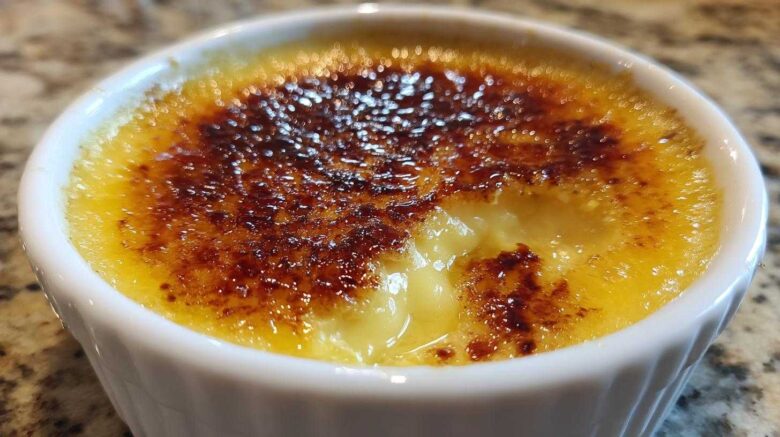
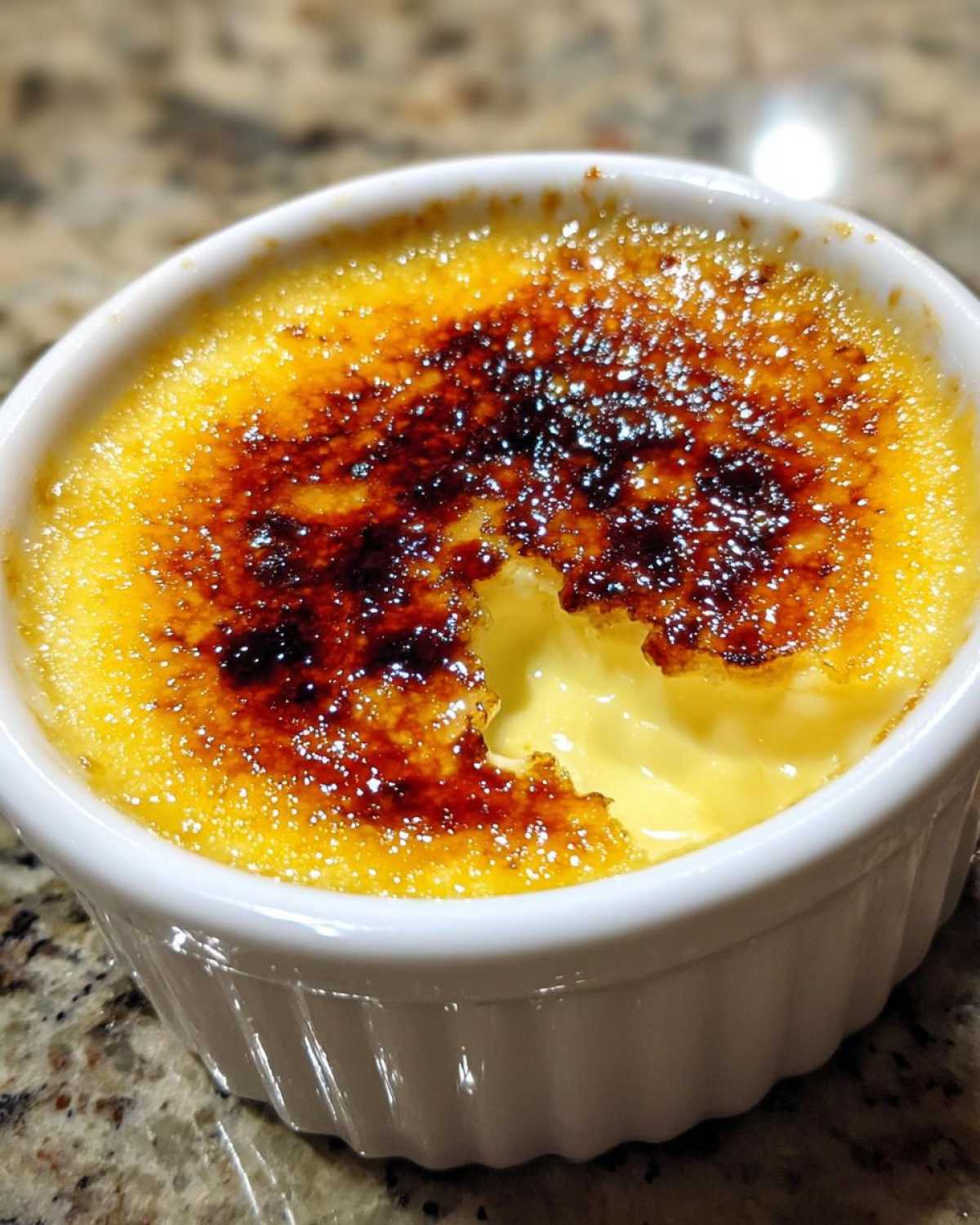
There’s something truly magical about a Classic Crème Brûlée. It’s a dessert that whispers elegance. I remember the first time I tasted one, it was on a special anniversary trip to Paris. The moment the spoon cracked through that glassy caramel layer, revealing the silky vanilla custard beneath, I was hooked. It felt so luxurious, yet surprisingly approachable. This recipe brings those special moments right to your own kitchen. It’s perfect for birthdays, holidays, or just because you deserve a little bit of fancy.
Why You’ll Love This Classic Crème Brûlée
You’ll adore this recipe because:
- It’s surprisingly simple to make.
- The creamy vanilla custard is pure bliss.
- That crackly burnt sugar top is so satisfying.
- It looks incredibly elegant for any occasion.
- It’s a showstopper dessert that’s always a hit.
Ingredients for Your Classic Crème Brûlée
Gather these simple ingredients for your delicious French dessert. You’ll need two cups of heavy cream. Also, grab half a cup of granulated sugar for the custard. Plus, more sugar for that glorious topping. A vanilla bean is wonderful, split and scraped. Or, you can use one teaspoon of pure vanilla extract. You’ll need five large egg yolks. Don’t forget a tiny pinch of salt. These elements come together beautifully for a perfect crème brûlée.
Ingredient Notes and Substitutions for Classic Crème Brûlée
The vanilla bean truly shines here. Its fragrant oils create an unbeatable depth of flavor. If you can’t find a vanilla bean, good quality vanilla extract works well. Just stir it in after the cream cools a bit. This keeps the flavor robust. For the sugar topping, use regular granulated sugar. It caramelizes best for that signature crisp crust. You could experiment with a mix of granulated and turbinado sugar, but it might toast a bit differently. Always use fresh, large egg yolks; they give the custard its richness and color.
How to Prepare Your Perfect Classic Crème Brûlée
Let’s get cooking! First, preheat your oven to a gentle 325°F (160°C). This low temperature is key for that silky custard. Next, grab a saucepan. Pour in your heavy cream and the half cup of granulated sugar. If you’re using a vanilla bean, split it, scrape out those precious seeds, and toss the pod in too. Gently heat this mixture over medium heat. You just want the sugar to dissolve and the cream to get warm. Don’t let it boil! Once warm, take it off the heat. If you’re using vanilla extract, stir it in now.
In a separate bowl, whisk your egg yolks with a pinch of salt. Add a tablespoon of the warm cream mixture to the yolks while whisking. This is called tempering. It slowly warms the yolks. This stops them from scrambling into an omelet! Gradually whisk in about half of the warm cream into the yolk mixture. Then, pour this back into the saucepan with the rest of the cream. Stir it all together until it’s smooth.
Now, strain this lovely custard through a fine sieve. This catches any little bits, like the vanilla bean pod. Pour the smooth custard into your ramekins. I like to divide it evenly. Place these ramekins into a larger baking dish. Carefully pour hot water into the baking dish. The water should come halfway up the sides of the ramekins. This water bath is my secret weapon. It ensures the custard cooks so gently.
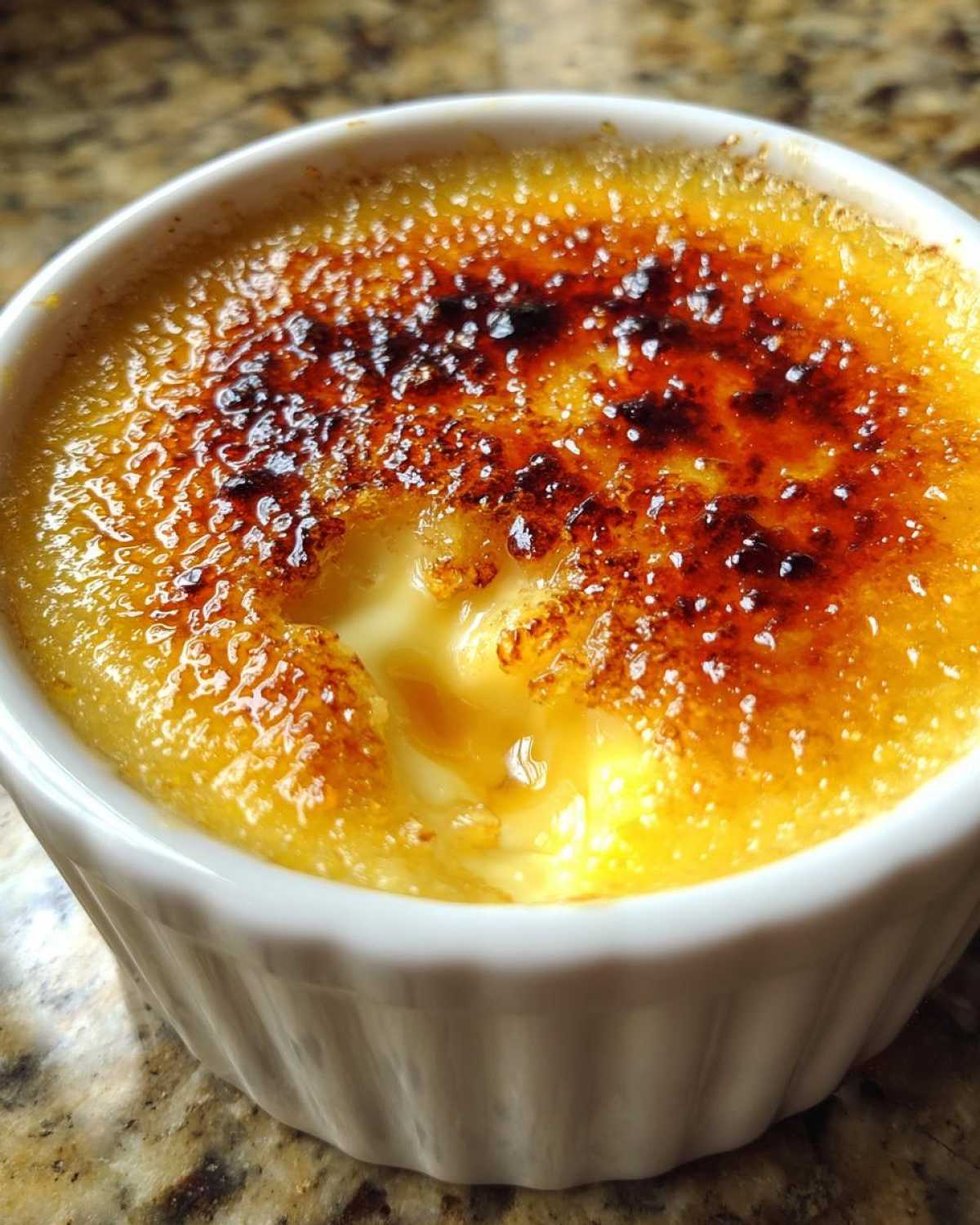
Bake for about 30 to 40 minutes. You want the custards to be set, but still have a little wobble in the middle. Like a gentle jiggle! Take them out of the water bath. Let them cool on a rack. Once cool, cover them with plastic wrap. Pop them in the fridge for at least 4 hours. Overnight is even better! This chilling time is super important. It lets the custard set fully.
Achieving the Perfect Custard Texture
The magic for a perfect custard lies in two steps. Tempering your egg yolks is vital. It gently warms them, preventing lumps. The water bath is equally important. It creates a moist, even cooking environment. This stops the edges from overcooking. It ensures a smooth, creamy texture throughout. Your custard will be wonderfully delicate.
The Art of Caramelizing the Sugar Crust
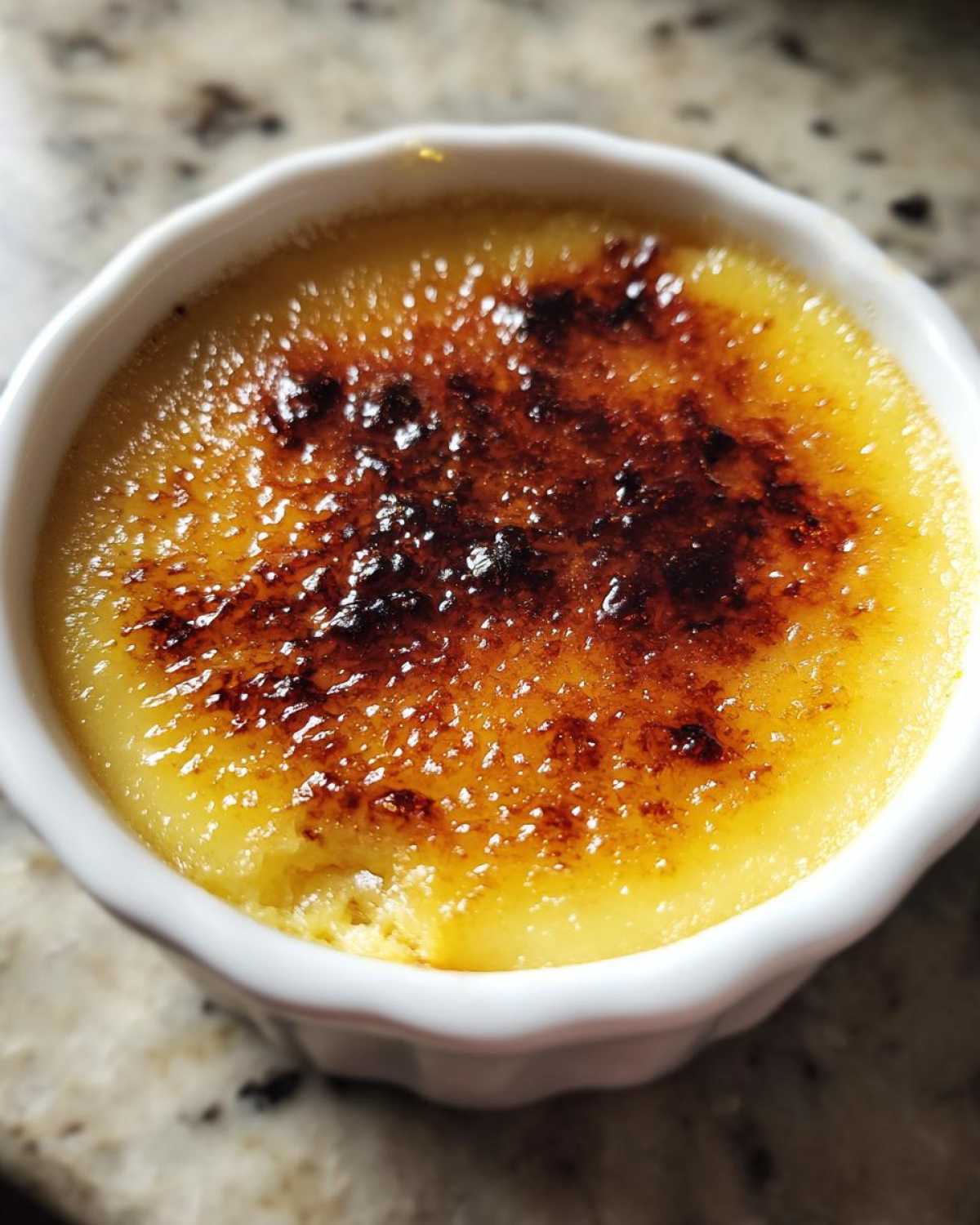
This is the fun part! Make sure your custards are chilled. Sprinkle an even layer of granulated sugar over the top of each one. Now, grab your kitchen torch. Move the flame steadily over the sugar. Watch as it melts and turns a beautiful amber color. Keep going until it forms a hard, glassy crust. Let it set for a minute. Then, tap it with your spoon. That satisfying crack is pure dessert joy!
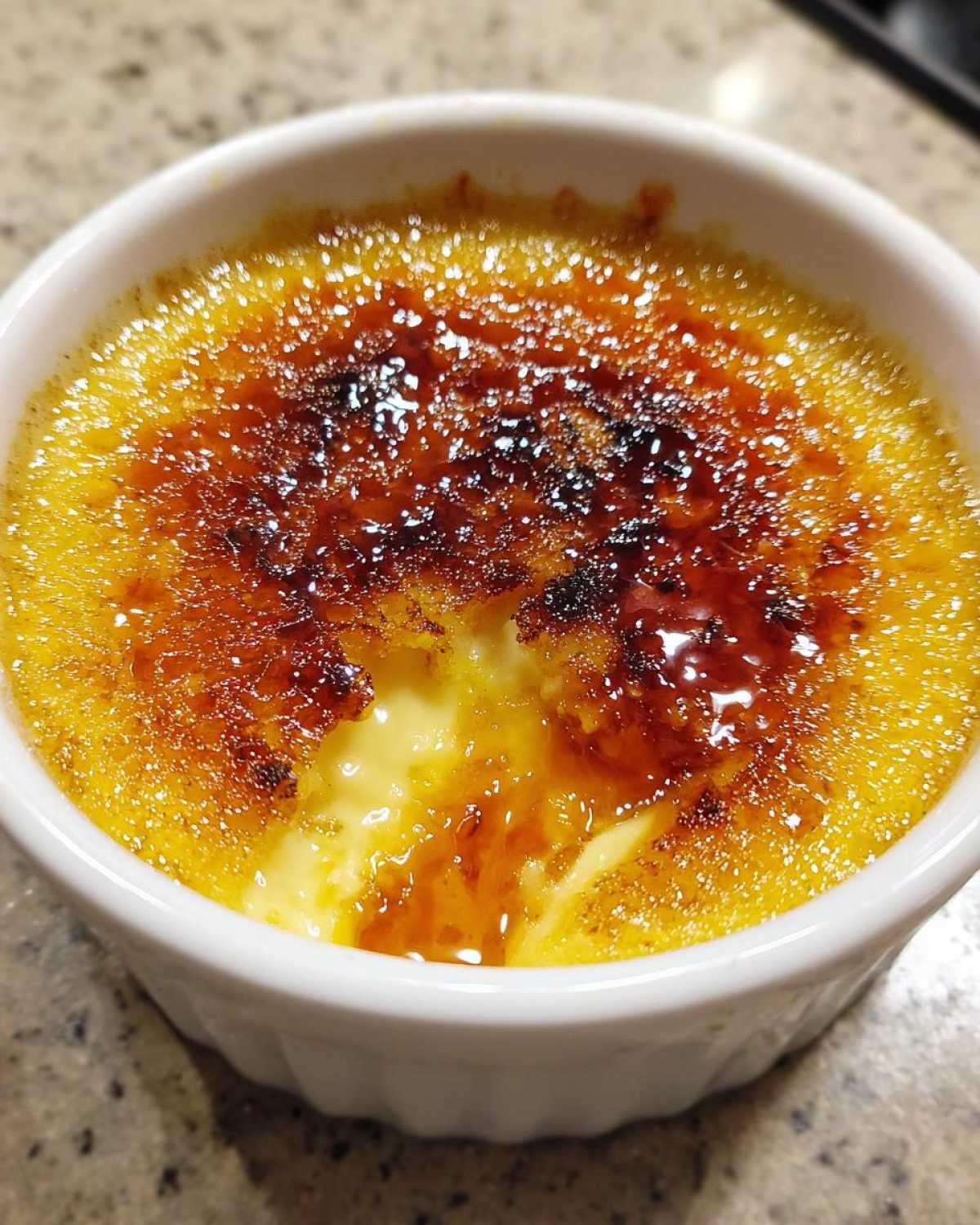
Equipment Needed for Classic Crème Brûlée
You’ll need a few key items. A saucepan is essential for warming the cream. A whisk helps combine ingredients smoothly. A fine-mesh sieve ensures a silky custard. You’ll also need ramekins for baking. A larger baking dish is needed for the water bath. Finally, a kitchen torch is your best friend for that perfect caramelized top.
Serving and Storing Your Classic Crème Brûlée
Serve your beautiful Classic Crème Brûlée immediately after torching the sugar. That crisp crust is best enjoyed fresh. It offers a delightful contrast to the cool, creamy custard. If you have any leftovers, cover the ramekins tightly with plastic wrap. Store them in the refrigerator for up to 2-3 days. The custard will remain delicious. However, the caramelized sugar crust might soften over time. It’s best to re-torch the sugar just before serving leftovers again.
Frequently Asked Questions About Classic Crème Brûlée
Got questions about making this delightful French dessert? I’ve got answers! Many people ask if they can make the custards ahead of time. Yes, you absolutely can! Prepare the custards up to the chilling step. Keep them covered in the fridge for up to two days. Just torch the sugar right before serving. What if I don’t have a kitchen torch? You can try using your oven’s broiler. Place the sugared ramekins on a baking sheet. Broil for a minute or two, watching *very* closely. The sugar should caramelize. Be careful, it can burn quickly! Some people worry about their custard texture. If your custard is lumpy, it might be from over-whisking the yolks or not tempering them properly. Straining the mixture also helps a lot. Lastly, can I use a different type of sugar for the topping? Granulated sugar is best for that classic brittle crust. Other sugars might not caramelize as evenly.
Nutritional Information for Classic Crème Brûlée
While I’m not a registered dietitian, I can give you a general idea of what’s in a serving of this delicious Classic Crème Brûlée. These are just estimates, of course! A typical ramekin might have around 300 to 350 calories. It’s rich, so expect about 20 to 25 grams of fat, with 12 to 15 grams being saturated fat. You’ll get about 5 to 7 grams of protein and roughly 25 to 30 grams of carbohydrates. Most of that carb count comes from the sugar, so around 20 to 25 grams of sugar per serving. It’s a decadent treat, perfect for those special moments!
Share Your Classic Crème Brûlée Creation!
I truly hope you love making and tasting this Classic Crème Brûlée. It’s a special dessert we adore. Did you try it for a celebration? Or maybe just a Tuesday treat? I’d be thrilled to hear about your results! Please share your thoughts in the comments below. A rating would be wonderful too!
PrintPerfect Classic Crème Brûlée: 5 Secrets

Learn to make a classic Crème Brûlée, a beloved French dessert featuring a rich vanilla custard topped with a crackly, caramelized sugar crust. This elegant dessert is perfect for special occasions and is surprisingly simple to prepare.
- Prep Time: 15 minutes
- Cook Time: 40 minutes
- Total Time: 4 hours 55 minutes
- Yield: 4-6 servings
- Category: Dessert
- Method: Baking, Water Bath
- Cuisine: French
- Diet: Vegetarian
Ingredients
- 2 cups heavy cream
- 1/2 cup granulated sugar, plus more for topping
- 1 vanilla bean, split and scraped, or 1 teaspoon vanilla extract
- 5 large egg yolks
- Pinch of salt
Instructions
- Preheat your oven to 325°F (160°C).
- In a saucepan, combine the heavy cream and 1/2 cup granulated sugar. If using a vanilla bean, add the scraped seeds and the pod to the cream. Heat gently over medium heat until the sugar dissolves and the cream is warm, but not boiling. Remove from heat. If using vanilla extract, stir it in after removing from heat.
- In a separate bowl, whisk the egg yolks, pinch of salt, and a tablespoon of the warm cream mixture until well combined.
- Slowly temper the egg yolks by gradually whisking about half of the warm cream mixture into the egg yolk mixture. This prevents the yolks from cooking.
- Pour the tempered egg yolk mixture back into the saucepan with the remaining cream. Stir until well combined.
- Strain the custard mixture through a fine-mesh sieve into a clean bowl or pitcher to remove any solids, like the vanilla bean pod.
- Divide the custard evenly among four to six ramekins.
- Place the ramekins in a larger baking dish. Carefully pour hot water into the baking dish, coming halfway up the sides of the ramekins. This water bath helps the custard cook gently and evenly.
- Bake for 30-40 minutes, or until the custards are set but still slightly jiggly in the center.
- Remove the ramekins from the water bath and let them cool on a wire rack. Once cooled, cover them with plastic wrap and refrigerate for at least 4 hours, or preferably overnight.
- Just before serving, sprinkle an even layer of granulated sugar over the top of each custard.
- Using a kitchen torch, caramelize the sugar until it forms a hard, glassy crust. Allow the caramelized sugar to set for a minute before serving.
Notes
- Ensure your ramekins are oven-safe.
- The water bath is crucial for a smooth, creamy custard.
- Chill the custards thoroughly before torching the sugar for the best results.
Nutrition
- Serving Size: 1 ramekin
- Calories: Approx. 300-350
- Sugar: Approx. 20-25g
- Sodium: Approx. 30-50mg
- Fat: Approx. 20-25g
- Saturated Fat: Approx. 12-15g
- Unsaturated Fat: Approx. 8-10g
- Trans Fat: Less than 1g
- Carbohydrates: Approx. 25-30g
- Fiber: 0g
- Protein: 5-7g
- Cholesterol: Approx. 150-200mg