

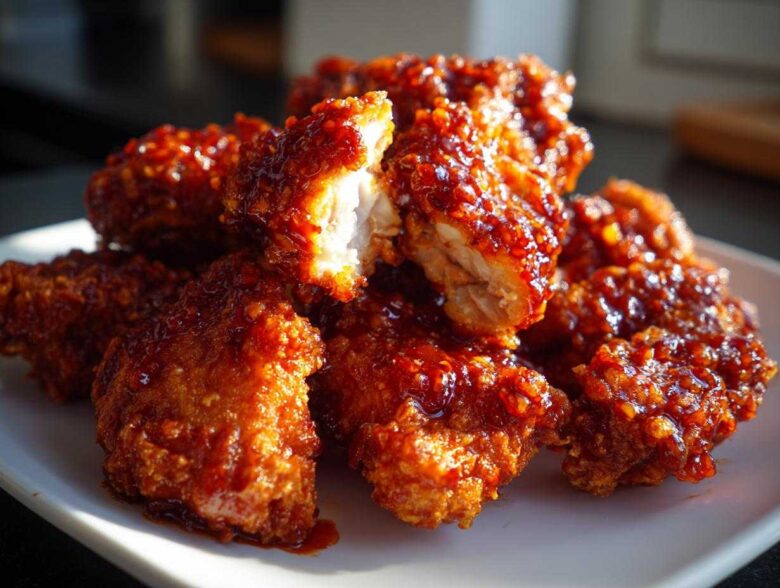
Are you tired of Korean fried chicken that promises crunch but delivers sogginess by the time you sit down? Me too! For years I chased that perfect, shatteringly crisp crust you only seem to get ordering out, but I finally cracked the code. This isn’t just any recipe; this is the korean fried chicken recipe that will change your game nights forever. We’re going deep on technique to give you that Ultra Crispy, Double-Fried KFC experience, complete with two incredible sauce options: the fiery Sweet & Spicy Gochujang and the deeply savory Soy Garlic. If you want to see all my other kitchen tips, check out my whole recipe collection. Trust me, mastering this double-fry method took practice, but the results are worth every single second!
Why This Korean Fried Chicken Recipe Delivers Ultimate Crunch
Listen, most fried chicken recipes online just don’t cut it when you’re aiming for that incredible Restaurant Style Fried Chicken texture. If you want Juicy Inside Crispy Outside Chicken that stays crisp even under a thick sauce, you need to forget everything you thought you knew about battering. This korean fried chicken recipe is different because it respects the science of achieving that thin, crackly shell. Honestly, I tested flour mixes for weeks before I found this golden ratio. It truly makes the difference between a good dinner and an epic one. If you want more game-day worthy meals, wait until you see my recipe for Chicken and Dumpling Casserole!
The Secret to Crispy Fried Chicken: Potato Starch Power
The biggest game-changer here is the potato starch. I tried using only all-purpose flour initially, and it was fine, but it wasn’t *KFC* fine! Potato starch absorbs less oil than flour does during that initial cook. When it hits the heat, it puffs up light and steamy, leaving behind this incredibly thin, shatteringly crisp armor on your chicken. It’s the absolute key to an Authentic Korean Chicken Recipe. When you see the flour/starch mix in the ingredients, trust me, don’t skip that starch!
Mastering the Double Fried Technique for Sticky Chicken Glaze
Next up is technique, and this is non-negotiable: the Double Fried Technique. You are frying these beauties twice for a reason. The first dip cooks the chicken all the way through while setting the initial crust at a lower temperature. Then, you let it rest—seriously, don’t skip that 10 minutes on the rack! That resting period lets internal steam escape. When you drop it back in for the second, hotter fry, that moisture that could have made your coating soggy is gone. Now you have a shell strong enough to hold the thickest Sticky Chicken Glaze without melting into mush. This is mandatory for the perfect korean fried chicken recipe.
Gathering Ingredients for Your Korean Fried Chicken Recipe
Okay, getting the ingredients together is half the battle, right? If you want this to taste like you snagged it from those famous Korean chicken joints, you have to be precise. We’ve got three distinct groups of ingredients here: the chicken prep, the batter that gives us that fantastic crunch, and the two sauces we’ll be drizzling on top! If you’re looking for more amazing dinners, this recipe for Garlic Butter Steak Bites is unbeatable, but for now, let’s focus on the chicken!
For the Ultra Crispy Batter
This section is where the magic starts. Remember, we need that mix of starch and flour. Make sure your water is *ice cold*—it really helps the texture develop. Here’s exactly what you need to mix up that perfect coating:
- 2 lbs chicken pieces (wings or thighs, cut into serving size)
- 1 cup potato starch
- 1/2 cup all-purpose flour
- 1 teaspoon salt
- 1/2 teaspoon black pepper
- 1/2 teaspoon baking powder
- 1 cup cold water
- Vegetable oil, for frying
For the Sweet & Spicy Gochujang Sauce Chicken
If heat is your jam, this sauce is happiness in a saucepan. The Gochujang is that fermented chili paste that gives Korean food its distinct, deep flavor, making this the superior choice for anyone loving a Spicy Sweet Chicken kick. Don’t skimp on the good stuff!
- 1/4 cup Gochujang
- 3 tablespoons honey or corn syrup
- 2 tablespoons water
- 1 tablespoon soy sauce
- 1 teaspoon minced garlic
For the Savory Soy Garlic Sauce
This is the salty, sweet, umami bomb designed for those who like savory over spicy. It’s honestly easier to make than the Gochujang sauce, but packs a huge flavor punch. It coats beautifully!
- 1/4 cup soy sauce
- 2 tablespoons rice vinegar
- 2 tablespoons honey or corn syrup
- 1 tablespoon minced garlic
- 1 tablespoon minced ginger
Don’t forget the garnish at the end—a little sprinkle of sesame seeds and that drizzle of toasted sesame oil just makes everything look professional!
Step-by-Step Instructions for the Best Korean Fried Chicken at Home
Alright, let’s get cooking! This is where we transform those dry chicken pieces into the crunchiest batch of korean fried chicken recipe you’ve ever had. It seems like a lot of fussy steps, but I promise, once you get into the rhythm, it’s super smooth. We need focus here, especially around the oil temperature. If you want a fantastic side while you wait for the chicken to cool slightly, check out my recipe for the Ultimate Veggie Stir Fry—it pairs perfectly!
Preparing and Battering the Chicken
First things first: you have to get your chicken bone-dry. Grab those paper towels and pat every single piece until it feels dry to the touch. Seriously, moisture is the enemy of crispness! Now, mix up that batter using the ingredients we gathered. Whisk it until it’s totally smooth, but don’t panic if it looks thin—it should be thinner than pancake batter, more like a runny crepe mix. Dip each piece and let the extra drip off. You want a thin, clinging coat, not a thick doughy shell. That thin coat is what allows the double-fry magic to work!
Executing the Crucial Double Fry Technique for Korean Fried Chicken Recipe
Time for the heat! Bring your big pot of oil up to 325°F (160°C). Carefully lower in your chicken in batches—don’t crowd that pot, or your oil temp will drop too much! Fry for about 6 to 7 minutes. The chicken will look pale golden. Pull it out and put it on the wire rack. Now for the most important pause in this entire Korean Fried Chicken Recipe: Let it rest for a full 10 minutes. I mean it! This rest dries out the crust just enough so it can survive the second blast of heat. After ten minutes, crank that oil up to 375°F (190°C). Drop the chicken back in for just 2 to 3 more minutes until it’s deep brown and aggressively crisp. This is how you guarantee that Juicy Inside Crispy Outside Chicken texture.
Making the Sticky Chicken Glaze Options
While the chicken is resting or during that second fry, get your sauces going. For both the Gochujang and the Soy Garlic, you just combine everything in a little saucepan. Bring them to a gentle simmer. You’re looking for them to reduce just a bit and become beautiful and Sticky Chicken Glaze consistency. They won’t be thick like BBQ sauce, but they should coat the back of a spoon lightly after just a couple of minutes on the heat.
Tossing and Serving Your Homemade KFC
As soon as that chicken comes out of the second fry, drain it for just a moment, and immediately toss it into your chosen sauce bowl. You must toss it while it’s piping hot so the glaze adheres perfectly to that crisp shell! Give it a good swirl until every piece is coated. Finish with a light sprinkle of sesame seeds and a tiny, tiny drizzle of sesame oil for that amazing aroma. Serve right away, because wow, even the Homemade KFC tastes best straight out of the bowl!
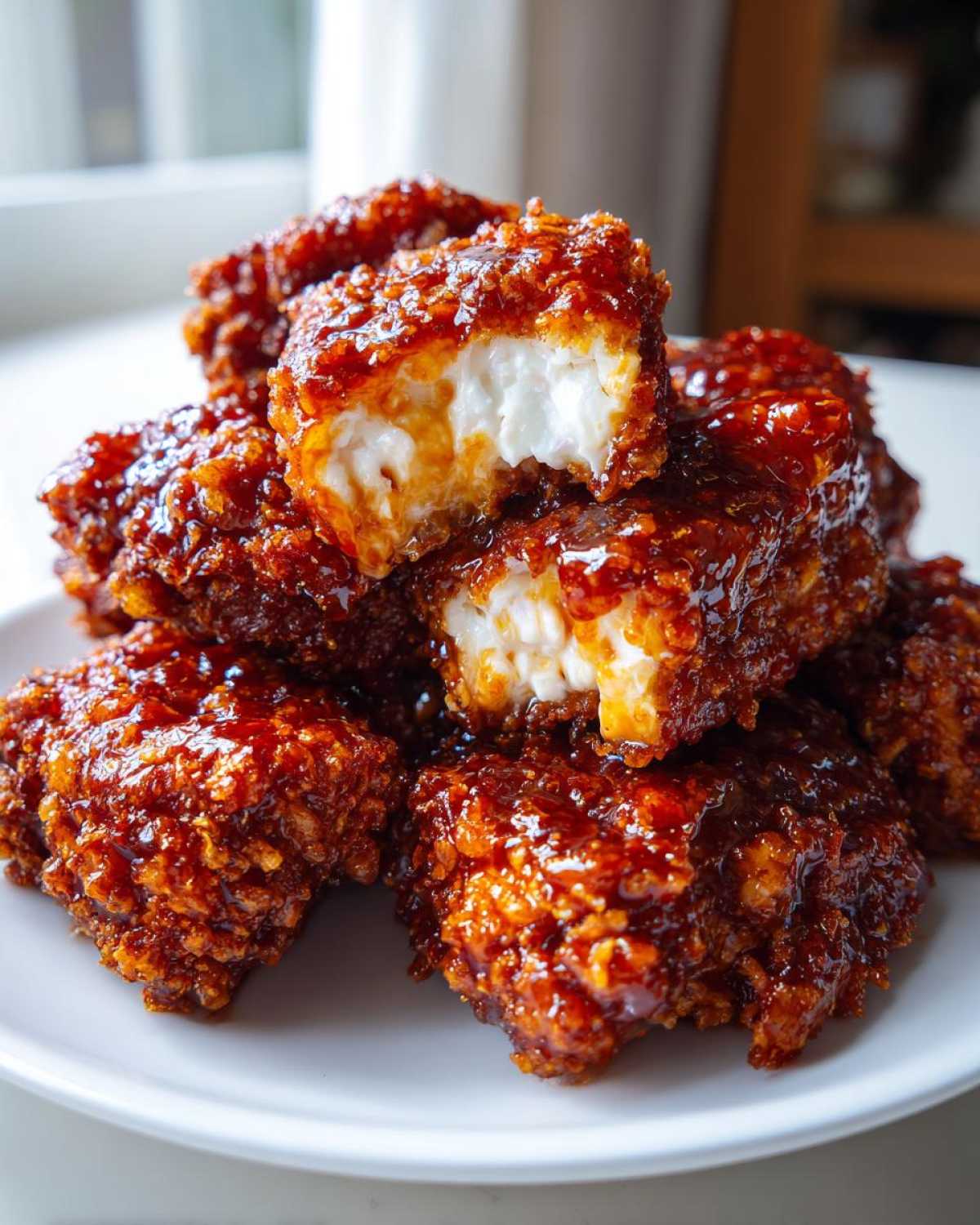
Tips for Success with Your Korean Fried Chicken Recipe
Okay, you’ve got the basic steps down for this amazing korean fried chicken recipe, but I want to share a few insider secrets. These are the things I learned through sheer trial and error that stop chicken disasters before they even start. Remember that skillet recipe I mentioned? If you need a break from frying, my Easy Chicken Fajita Skillet is a lifesaver!
Ingredient Spotlight: Why Potato Starch is Not Optional
I mentioned it before, but I need to stress this one more time: potato starch is your new best friend for crispiness. See, regular flour has gluten, and when you overmix it or fry it too long, it gets tough and chewy. Potato starch has almost zero gluten content. When you mix it into that thin batter, it creates this light, almost glassy coating that fries up incredibly fragile and crunchy. It’s the literal foundation for that classic texture, making it non-negotiable for an authentic result!
Troubleshooting Common Issues in This Korean Fried Chicken Recipe
Things go wrong in the kitchen, don’t they? It happens to everyone! The number one complaint I hear is, “My chicken got soggy!” More often than not, that means you either skipped the 10-minute rest between the first and second fry, or your oil temperature was too low for the second fry. If the oil isn’t screaming hot (375°F), the crust soaks up the oil instead of sealing tight, and boom—soggy mess.
The other common issue is burnt batter on the outside before the inside is done. That’s a sign your oil is way too hot! If the outside is dark brown in just a couple of minutes, pull the heat down immediately. We need that slow initial cook at 325°F to gently cook the meat, then the fast, hot blast to crisp the exterior.
One quick tip from my kitchen: When you’re doing those big batches, try not to fry more than six small pieces (or four thighs) at a time. If you overload the pot, the oil temperature drops drastically, and you’ll never get that double-fry effect right. Work smarter, not harder, especially when frying!
Variations for Your Korean Flavor Chicken
Even though this korean fried chicken recipe nailed the classic flavor profile, I love changing things up depending on the mood or what I have in the fridge. This base recipe is so forgiving, making it perfect for experimenting with other Asian Chicken Recipes. If you’re planning for people coming over for a big game, this totally qualifies as the ultimate Game Day Chicken Wings platter!
Adjusting Heat Levels in the Gochujang Sauce
That Sweet & Spicy Gochujang sauce is my usual go-to because I love that slow-burning heat, but I know not everyone can handle the full blast. If you want a milder Spicy Sweet Chicken experience, you have a couple of options.
The easiest way is simply to cut the Gochujang down to maybe two tablespoons instead of the quarter cup listed. To still get that necessary volume and body in the sauce, replace the missing amount with extra water and maybe a tiny splash more honey or corn syrup. It will still be flavor-packed, just way less fiery!
Alternatively, if you want a different kind of heat—maybe less fermented flavor—you can use a tablespoon of Sriracha instead of some of the Gochujang. It’s certainly not traditional, but Sriracha gives you a brighter, sharper heat that works really well too if you’re just looking for a simple tweak.
Alternative Cuts for This Korean Fried Chicken Recipe
While I usually stick to thighs or drumettes because they stay so juicy, you can certainly adapt this recipe for other cuts of chicken. If you’re making wings, you can often skip the resting period between the two fries entirely because they are so small and cook through so fast. Just fry once for 5 minutes at 325°F, and immediately move to the second fry at 375°F for 3 minutes.
If you decide to use boneless chicken breast, you absolutely must leave them in thicker chunks—think bite-sized nuggets. Breast meat dries out faster, so you’ll need to be super vigilant during that first fry. Check them closely; they might only need 5 or 6 minutes total for the first cook, and maybe 2 minutes for the second. Watch them like a hawk so you don’t lose that tender interior!
For a different texture altogether, I sometimes use boneless, skinless chicken thighs, cut into 1-inch pieces. They are super forgiving and stay moist no matter what. They cook just like the bite-sized breast pieces, so keep an eye on your cooking times so you don’t lose them in the oil!
If you need ideas for turning leftover chicken into another full meal later, you have to try tossing any extra pieces into my Beef and Broccoli Stir Fry sauce. It sounds wild, but it’s amazing!
Serving Suggestions for Your Korean Fried Chicken Recipe
Now that you’ve mastered the ultimate crunch and chosen your sauce—congratulations! You have completed the hardest part of making the Best Korean Chicken at Home. But what do you serve alongside this masterpiece? This dish is so satisfying it stands on its own, but if you are trying to build out a full, satisfying spread, especially if this is your Easy Fried Chicken Dinner centerpiece, you need some balancing sides.
The key in Korean cooking is contrast. We have this rich, savory, sometimes spicy, crispy main event. We need sweet, vinegary, or cooling elements to cut through the richness and refresh the palate. Think about colorful small bites!
You absolutely need some kimchi. If you haven’t made your own yet, grab a jar; the tangy, fermented cabbage is mandatory for cutting through the oiliness of the fried coating. If you’re looking for something a little less intense, a simple quick-pickled cucumber or daikon radish works wonders too. My favorite simple pairing is actually rice—steamed white rice is perfect for soaking up any extra sauce left pooling on the plate.
If you need another hearty but lighter main or side idea for tomorrow’s lunch, you should absolutely bookmark my recipe for Budget-Friendly Black Bean Chili—it’s totally different but just as delicious on a busy night!
For beer pairings, nothing beats a crisp pale lager alongside this spicy, savory goodness. Enjoy every single crackly bite!
Storage & Reheating Instructions for Leftover Korean Fried Chicken
So, you actually managed to have leftovers? Honestly, I’m impressed! Because this korean fried chicken recipe produces such a great crust, it’s tempting to let it sit, but we need to treat these crispy gems right if we want them to taste good tomorrow. My biggest rule here is to never, ever put sauced chicken straight into the fridge uncovered. It’s just asking for trouble!
If you have chicken that’s already coated in the Gochujang or Soy Garlic glaze, you need to get it into an airtight container pretty quickly. I usually line the bottom of the container with a paper towel first. That little bit of barrier helps catch any condensation that forms as the chicken cools down, which is the enemy of crispiness, as you know. It’ll keep fine in the fridge for about two days, tops. If you have unsauced chicken left over—maybe you didn’t use all the glaze—that will last even better!
Now, here is the most important part: reheating. You cannot, I repeat, cannot use the microwave. Microwaving reheated fried chicken is the fastest way to steam those beautiful crispy outer layers right into spongy mush. You have to use dry heat to bring that crunch back to life.
The Best Way to Reheat Sauced Chicken
For the sauced pieces, your best bet is the oven or, even better, the air fryer. Set your standard oven to about 375°F (190°C). Lay the chicken out on a baking sheet lined with a wire rack—the rack is key because it allows air to circulate all the way around so the bottom doesn’t steam itself soft!
Pop it in for about 8 to 10 minutes. If you see it starting to look too dry, you can give it a quick spritz of water right before you put it in, but usually, it’s fine. If you’re using an air fryer, which I highly recommend for speed, set it to 360°F (180°C) and give it just 5 or 6 minutes. It brings back that satisfying sizzle! This method gets you so close to that perfect Double Fried Technique result again.
Reheating Uncoated Crispy Chicken
If you wisely saved some of the bare, crispy fried chicken from the second fry before you tossed it in the sauce, you are in luck! This is much easier to refresh. Use the same low-and-slow heat method, but you can often shave a minute or two off the time. The key is always dryness and air circulation—wire rack or bust!
If you’re making something different the next day, like a hearty stew such as my Slow Cooker Thai Coconut Curry Recipe, you can always cube up the leftover crunchy chicken right before serving and just drop the cold pieces in at the last minute, right before you eat. That slight temperature change won’t ruin the texture as much as full reheating in the microwave would!
Frequently Asked Questions About This Korean Fried Chicken Recipe
This is where I answer all the panicked emails I get about slightly soft-looking chicken! Don’t worry, we all run into little bumps when trying to replicate restaurant magic at home. I’ve built this korean fried chicken recipe to be as foolproof as possible, but here are the last few details that often trip people up when aiming for that perfect crunch.
If you happen to have leftovers and need a lighter meal option for the next day, I seriously recommend trying my Healthy Baked Ranch Chicken Tenders recipe—it’s a totally different vibe but super easy!
Can I make this Korean Fried Chicken Recipe in an Air Fryer?
Oh, the air fryer question! Yes, you absolutely *can* try this in an air fryer, but you need to manage your expectations a bit. The air fryer is a master of crisping, but it can’t replicate the true oil immersion necessary for that thick, extra-craggy texture we get from the Double Fried Technique. If you go that route, you should cook the chicken pieces in the air fryer first until they look golden brown, then toss them quickly in the sauce, and then lay them back in the basket for just one *very* quick blast right before serving to set the sauce.
You certainly won’t get the exact same oil-textured crispness, but you will get a very good, mostly crunchy result without all the oil cleanup. Just remember that the sauce might burn slightly faster because the air fryer circulates heat so violently.
What is the best oil temperature for the second fry?
If you take only one thing away from this entire guide on the korean fried chicken recipe, please make it this: the second fry temperature is critical for the crunchy crust! You MUST bring your oil up to 375°F (190°C). The first fry cooks the inside; the second fry shocks the exterior. If the oil is too cool, it just soaks in and makes everything heavy. If it’s too hot, the crust burns before the inside heats up properly. That 375°F blast for those final 2 to 3 minutes is what seals the deal and locks in that incredible, crunchy shell that holds up to the glaze.
Can I substitute potato starch in this recipe?
This is the one thing I really push back on in this recipe. For that signature, light, almost impossibly crisp coating that defines Homemade KFC, potato starch is the magic ingredient. It’s what keeps the batter from becoming heavy or chewy.
If you genuinely cannot find potato starch, cornstarch is your distant second cousin. You can substitute it in a 1:1 ratio in the batter mix. It will still get crispy, but it tends to be slightly more fragile and might shatter a bit differently than the beautiful, robust crust you get from the pure potato starch. I wouldn’t recommend risking all-purpose flour alone if you are aiming for true success.
Nutritional Snapshot of This Korean Fried Chicken Recipe
I feel like I should start this section with a huge, flashing neon sign that says: DANGER! This is fried chicken, after all! Making restaurant-quality korean fried chicken recipe at home means you are using oil, and that oil is going to bump up those numbers compared to a baked version. We are going for flavor and that perfect crunch here, not necessarily clean eating, but it’s good to know what you’re working with!
I ran the rough numbers based on the ingredients listed—that’s four servings total. You’ll find that the protein content is huge, which is great, but keep an eye on the sodium if you are sensitive to that. If you’re looking for something completely different on the lighter side for a weekday snack, you should definitely take a peek at my Celery Kale Detox Smoothie Recipe; it’s the opposite end of the spectrum!
Here is the estimated breakdown for one serving (about 4 pieces of chicken based on our recipe yield):
- Calories: 550
- Total Fat: 35g (Remember, most of this is healthy-ish unsaturated fat from quality frying oil!)
- Saturated Fat: 7g
- Protein: 32g (Hello, muscle fuel!)
- Carbohydrates: 30g
- Sugar: 15g (Mostly from the glaze, so you can cut that back next time if you need to!)
- Sodium: 650mg
Just remember, these are estimates based on the ingredients listed. If you use leaner chicken thighs or cut the honey in the sauce down significantly, those numbers will shift! The biggest variables are always the amount of oil absorbed during frying and how thick you go with that beautiful Sticky Chicken Glaze. Enjoy this indulgence—you earned it after mastering the double-fry!
Share Your Ultra Crispy Korean Fried Chicken Creations
Wow, you actually made it through the whole process! You’ve conquered the cold batter, mastered the two-stage frying, and your kitchen probably smells absolutely incredible right now. You are officially a Kitchen Warrior who knows the secrets to the korean fried chicken recipe success!
Now, the best part: I want to see what you created! Did you manage to keep that crust perfectly intact? Which sauce won out in your house—were you team fiery Gochujang or did the savory Soy Garlic take the trophy? I honestly change my mind depending on what I’m watching on TV!
Please leave a comment below and let me know how this turned out for you. A five-star rating helps other home cooks find the real deal when they are searching for the Best Korean Chicken at Home. If you snap a photo of your glorious, crispy haul, tag me on social media! Seeing those beautifully coated pieces, fresh out of the wok or ready for a party, honestly makes my day. It’s so cool to see this recipe travel from my kitchen to yours.
If you ever have questions, or if you just want to share other awesome recipe ideas, don’t hesitate to reach out through my contact page! Happy crunching, everyone!
PrintUltra Crispy Double-Fried Korean Fried Chicken with Two Sauce Options
Make restaurant-quality Korean Fried Chicken at home using the double-fry method for maximum crunch. This recipe includes instructions for both a sweet and spicy Gochujang glaze and a savory Soy Garlic sauce.
- Prep Time: 20 min
- Cook Time: 25 min
- Total Time: 45 min
- Yield: 4 servings
- Category: Dinner
- Method: Deep Frying
- Cuisine: Korean
- Diet: Low Lactose
Ingredients
- 2 lbs chicken pieces (wings or thighs, cut into serving size)
- 1 cup potato starch
- 1/2 cup all-purpose flour
- 1 teaspoon salt
- 1/2 teaspoon black pepper
- 1/2 teaspoon baking powder
- 1 cup cold water
- Vegetable oil, for frying
- 1/4 cup soy sauce (for Soy Garlic Sauce)
- 2 tablespoons rice vinegar (for Soy Garlic Sauce)
- 2 tablespoons honey or corn syrup (for Soy Garlic Sauce)
- 1 tablespoon minced garlic (for Soy Garlic Sauce)
- 1 tablespoon minced ginger (for Soy Garlic Sauce)
- 1/4 cup Gochujang (for Sweet & Spicy Sauce)
- 3 tablespoons honey or corn syrup (for Sweet & Spicy Sauce)
- 2 tablespoons water (for Sweet & Spicy Sauce)
- 1 tablespoon soy sauce (for Sweet & Spicy Sauce)
- 1 teaspoon minced garlic (for Sweet & Spicy Sauce)
- 1 teaspoon sesame oil (for garnish)
- 1 teaspoon sesame seeds (for garnish)
Instructions
- Pat the chicken pieces completely dry with paper towels. This helps achieve crispiness.
- In a medium bowl, whisk together the potato starch, flour, salt, pepper, and baking powder.
- Add the cold water to the dry mix and whisk until a thin, smooth batter forms. It should be thinner than typical pancake batter.
- Dip each piece of chicken into the batter, allowing excess to drip off. You want a thin coating.
- Heat about 3 inches of vegetable oil in a deep, heavy-bottomed pot or Dutch oven to 325°F (160°C).
- First Fry: Carefully place the battered chicken pieces into the hot oil, ensuring you do not overcrowd the pot. Fry for 6 to 7 minutes until lightly golden and cooked through.
- Remove the chicken and place it on a wire rack set over a baking sheet. Let the chicken rest for at least 10 minutes. This resting period is crucial for the double-fry technique.
- Increase the oil temperature to 375°F (190°C).
- Second Fry: Return the rested chicken to the hot oil in batches. Fry for an additional 2 to 3 minutes until the crust is deep golden brown and extremely crisp.
- Remove the chicken and drain briefly on the wire rack.
- Prepare the Sauces: For Soy Garlic, combine all Soy Garlic ingredients in a small saucepan. Simmer over medium heat for 3 minutes until slightly thickened. For Sweet & Spicy, combine all Sweet & Spicy ingredients in a separate saucepan and simmer for 2 minutes until sticky.
- Toss the hot, crispy chicken immediately in your desired sauce until evenly coated.
- Serve immediately, garnished with sesame seeds and sesame oil.
Notes
- Using potato starch instead of just flour is key to the signature Korean crunch.
- Do not skip the resting time between the first and second fry; this allows moisture inside the chicken to escape, resulting in a crispier final crust.
- If you prefer a less spicy sauce, reduce the amount of Gochujang in the Sweet & Spicy glaze.
Nutrition
- Serving Size: 4 pieces
- Calories: 550
- Sugar: 15
- Sodium: 650
- Fat: 35
- Saturated Fat: 7
- Unsaturated Fat: 28
- Trans Fat: 0
- Carbohydrates: 30
- Fiber: 1
- Protein: 32
- Cholesterol: 110