

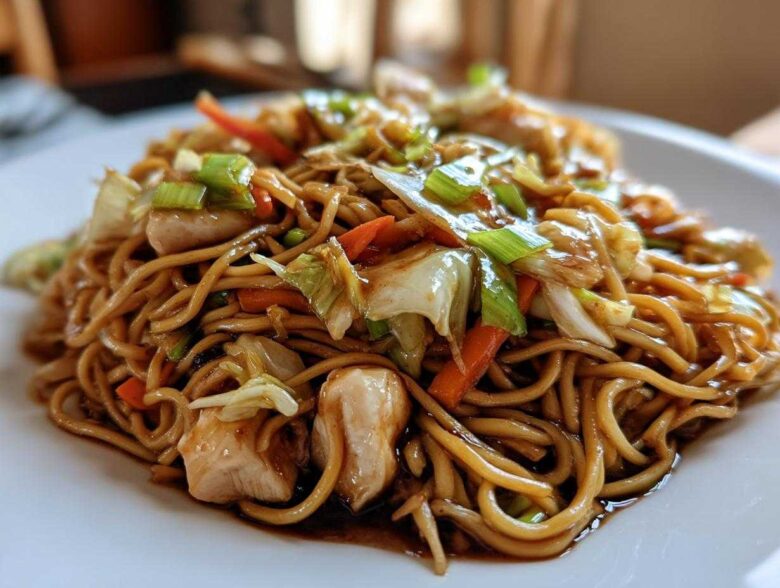
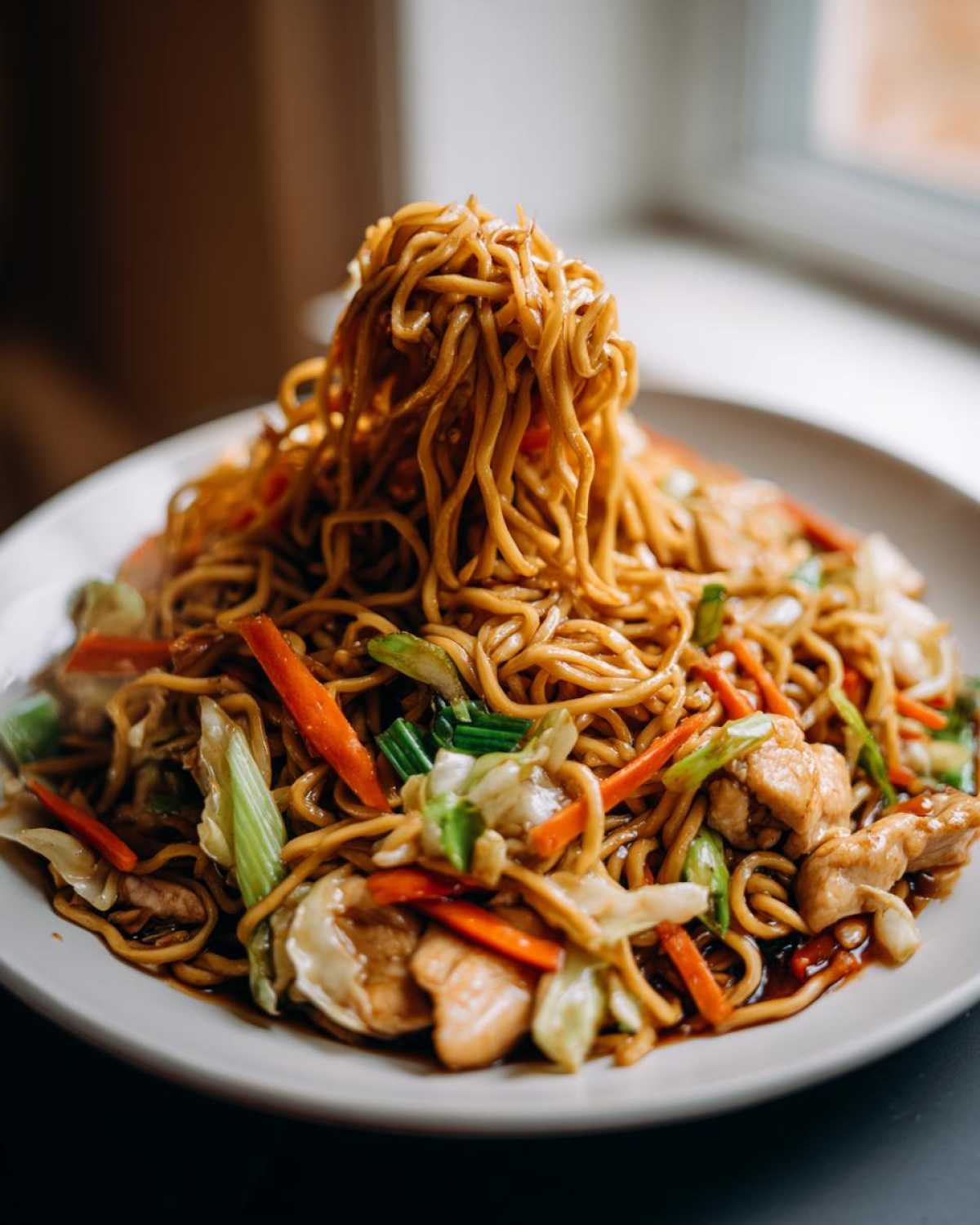
Oh, you know those nights, right? You’re staring into the fridge, or maybe you’re just staring into space, and suddenly—BAM!—you have a full-blown craving for Chinese takeout. That savory, garlicky noodle fix that just hits differently. Well, Alex and I used to rely on delivery constantly when we first got back from Africa, but honestly, it adds up! So, I spent a few chaotic afternoons perfecting what I now call the easiest, 30-minute chicken chow mein recipe you’ll ever meet. Trust me, this homemade version beats anything coming out of a greasy box. It’s proof that even the busiest weeknights can involve huge flavor memories from our travels!
Why You Will Love This Quick Chicken Chow Mein Recipe
I’m telling you, this isn’t just another noodle dish; this is your new emergency plan for dinner when you need flavor fast. If you’re overwhelmed by complicated recipes, this one is designed for real life. We’ve loaded it with the best stuff so you don’t have to compromise satisfaction for speed. It’s truly the best chicken chow mein recipe for those nights!
- Because it’s genuinely ready in 30 minutes, max! You can’t beat that for a rich, savory dinner on a busy Tuesday.
- We nailed the sauce. It’s that perfect blend of salty, a little sweet, and deeply savory—exactly like your favorite takeout spot, only cleaner.
- You get the ultimate texture combo: perfectly tender chicken pieces mixed with brilliantly crispy vegetable noodles. No sad, soggy stir-fries here!
- This is a fantastic, healthy chow mein alternative. You control the oil and the sodium, so you feel great about serving it up.
- It’s incredibly simple to scale up or down! Alex and I often make a huge batch using leftover rice or whatever veggies we need to use up. For more sauce inspiration, check out how we handle these quick savory soy sauce fried noodles—the flavor basis is similar!
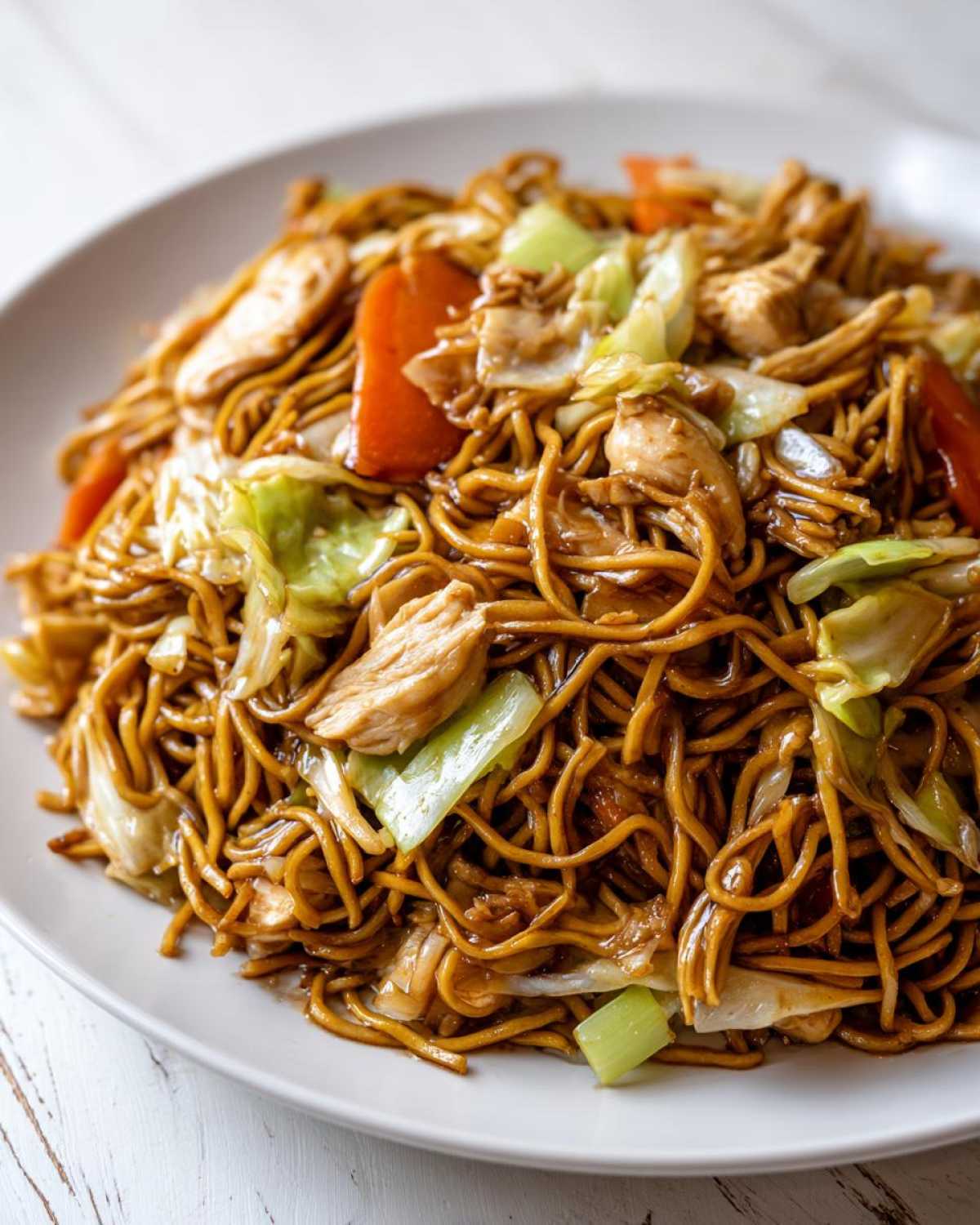
Ingredients for the Easiest 30-Minute Chicken Chow Mein Recipe
Okay, so when you’re aiming for that 30-minute window, mise en place—having everything prepped and ready—is your absolute best friend. Don’t even think about turning on the heat until you have these items sitting next to your stove! This recipe is built around getting that perfect layering of flavor without losing the crunch in your veggies. We’re separating the chicken marinade from the amazing sauce ingredients because they do slightly different jobs when hitting that hot wok. I promise, gathering these things first makes the whole cooking process feel less like a race and more like a calm, delicious dance of stir-frying!
- 10 ounces dried egg noodles
- 1 pound boneless, skinless chicken breast, cut into bite-sized pieces
- 1 tablespoon soy sauce (for marinating chicken)
- 1 teaspoon cornstarch (for marinating chicken)
- 2 tablespoons vegetable oil, divided
- 1 cup shredded cabbage
- 1 cup sliced carrots
- 1 cup sliced celery
- 4 green onions, chopped (white and green parts separated)
- 2 cloves garlic, minced
- 1 teaspoon fresh ginger, grated
- 1/4 cup low sodium soy sauce (for sauce)
- 2 tablespoons oyster sauce (for sauce)
- 1 tablespoon dark soy sauce (for color and flavor)
- 1 tablespoon sesame oil (for sauce)
- 1 teaspoon sugar (for sauce)
- 1/2 teaspoon ground white pepper
How to Prepare Your Homemade Chicken Chow Mein Recipe
Alright, this is where the magic happens! Since we are laser-focused on getting this entire chicken chow mein recipe done in about 30 minutes, we have to move fast and in order. If you’ve prepped everything like I mentioned in the last section, this is quick work. Remember, stir-frying is all about high heat and constant motion. I still remember the first time Alex tried to make a stir-fry—he walked away for ten seconds and burned the garlic! You have to stay present for this part, but I promise, the speed is worth it for that amazing takeout style flavor.
Prep the Noodles and Chicken Marinade for the Chicken Chow Mein Recipe
First things first, get those egg noodles going! Cook them according to the package instructions, but this is important: pull them out about one minute before they are fully done. We want them tender, but still slightly firm—what we call *al dente*—because they’ll finish cooking when they mix with the hot sauce later. If they’re already soft, they’ll turn mushy. Drain them really well and set them aside so they don’t stick together.
While those noodles are boiling, we treat the chicken right. Toss your bite-sized chicken pieces with that one tablespoon of soy sauce and the cornstarch. That tiny bit of cornstarch is crucial! It’s what helps the chicken stay juicy and gives it a beautiful, light coating that holds onto the sauce later. Let that sit while you finish boiling the noodles.
Mixing the Best Chow Mein Sauce
Seriously, don’t skip whisking the sauce beforehand! This is a speed dish, and if you try to measure liquids into a sizzling hot wok, you’re inviting disaster or, at the very least, uneven flavor. In a small bowl, measure out all your liquid components: the low sodium soy sauce, the oyster sauce (it adds that deep umami!), the dark soy sauce for that beautiful takeout color, sesame oil, sugar, and white pepper. Whisk it all together until that sugar dissolves. See? Easy peasy. If you want a deeper dive into why these exact sauces work together so well, check out the steps for my easy 30-minute chicken piccata recipe—the principle of pre-mixing liquids for efficiency is the same!
Stir-Frying the Chicken and Vegetables
Time for the wok! Heat up 1 tablespoon of vegetable oil over medium-high heat. You want it hot, but not smoking violently. Add your marinated chicken and stir-fry it quickly until it’s fully cooked and just starting to look a little golden—that usually takes about 4 to 5 minutes. Fish that chicken out and set it aside on a clean plate. Why remove it? Because if you leave it in, it overcooks while the veggies cook!
Now, throw that last tablespoon of oil into the pan. In go the cabbage, carrots, and celery. Keep stirring! The goal here is to cook them fast enough that they are tender but still have a vibrant crunch—we don’t want floppy vegetables. After about 3 to 4 minutes, toss in your minced garlic, grated ginger, and the white parts of your green onions. Stir constantly for just 30 seconds until you can smell that incredible perfume. Don’t let that garlic burn!
Combining Everything for the Final Quick Chow Mein Recipe
Now we bring it all back together! Return the cooked chicken to the pan with the veggies. Add your pre-cooked, drained noodles on top of that mixture. Make sure everything is spread out a little so the sauce can hit everything evenly.
Pour that beautiful savory sauce you mixed earlier right over the top of the noodles and ingredients. Now the constant tossing comes in! You need to toss and stir continuously for 1 to 2 minutes. Watch closely—the sauce will start to coat everything, and it should thicken up nicely thanks to that cornstarch you put on the chicken. If you stop moving everything around, the noodles might stick or get too soft, which is what we are trying to avoid for this chicken chow mein recipe.
Once everything is glistening, evenly coated, and smelling absolutely incredible, turn off the heat. Stir in those reserved green parts of the green onions. They just need a quick toss to wilt slightly. That’s it! Serve this quick chow mein recipe right away to capture that perfect crispy-tender bite. If you need inspiration on other speedy dinners, you can check out this link when you’re done!
Tips for the Best Chicken Chow Mein Recipe Success
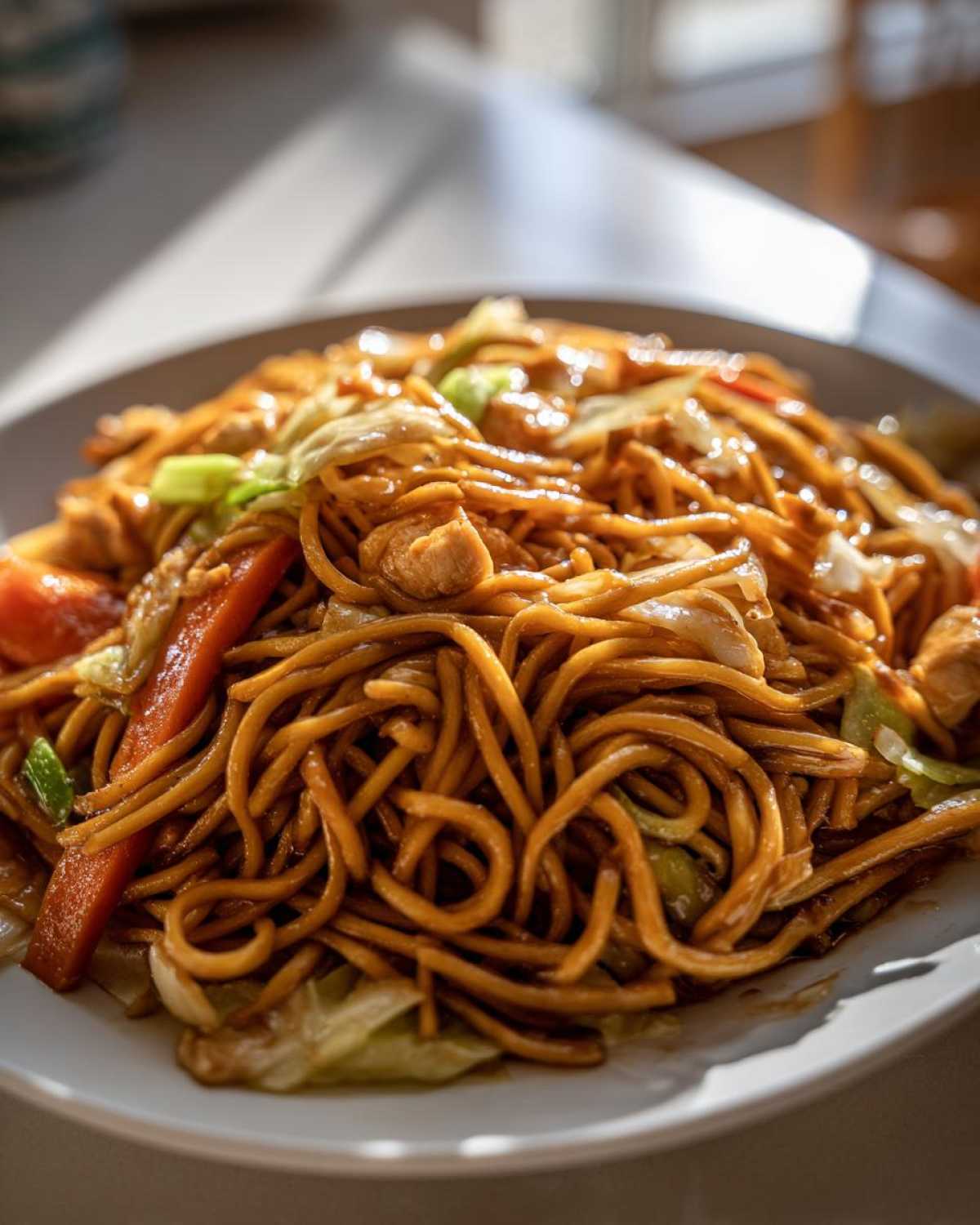
Making a truly fantastic chicken chow mein recipe means moving beyond just throwing things in a pan. We learned this the hard way! When Alex and I were first experimenting in Lagos, we made the mistake of thinking we could just boil the noodles completely, drain them, and then toss them in because we were trying to save time. Oops! The result was definitely *soft* noodles, but they ended up slumping into a sad, sticky puddle when sauced. Never again! The secret to that authentic, slightly chewy texture you get from the best takeout places is all in how you treat those noodles.
Here are the make-or-break tips that ensure your homemade version is a winner every single time:
- Undercook Your Noodles (Seriously): I mentioned it above, but it bears repeating because it’s number one: cook your egg noodles until they are *just* shy of being ready. They should still have a definite bite. They will absorb all that wonderful savory Asian noodles recipe sauce when you toss them at the end, preventing that mushy texture.
- Wok Heat is Everything: Don’t skimp on the heat, especially when you add the sauce and noodles. Everything needs to be sizzling hot so the sauce reduces quickly and clings to the ingredients instead of just swimming around the bottom of the pan. If you don’t have a dedicated wok, turn your largest, heaviest skillet up high, but work in batches if you have to!
- Don’t Crowd the Pan: This is an easy way to steam your food instead of stir-frying it, which kills the crispness in your carrots and celery. Always cook the chicken by itself first. If you’re doubling this recipe for a huge party, cook the chicken in two separate batches. We learned this lesson when trying to prepare food for a community event—trying to cook too much at once drops the temperature too fast! For amazing side ideas on crispy textures, you should see how we make our homemade crispy egg roll secrets!
- Use Dark Soy Sauce: This ingredient seems minor, but it’s crucial for getting that deep, rich brown color that signals “takeout style” to your brain. If you skip it, your noodles will taste fine, but they’ll look pale, which just isn’t as satisfying! For more reliable saucy dishes, sometimes referencing a great foundational recipe like this one helps keep you on track when you are in the heat of the moment!
Ingredient Notes and Substitutions for Your Chicken Chow Mein Recipe
When you’re aiming for that perfect chicken chow mein recipe that hits all the right notes, sometimes you just don’t have the exact ingredient hanging around. I get it! Alex is usually the one who has to run out for one rogue ingredient, which defeats the purpose of a quick weeknight meal. That’s why I always keep a stash of backups in mind, especially for the sauce components. This flexibility is what makes a recipe truly yours, even if it started as Aunt Carol’s version of something else entirely!
Let’s talk about those noodles first. If you happen to be out of standard egg noodles, don’t panic! You can absolutely make this a healthy chow mein alternative by swapping in brown rice noodles or even whole wheat spaghetti if you’re desperate (though the texture will change a bit). The critical thing, as we discussed, is boiling them lightly so they don’t turn to mush under the heat.
Now for the flavor backbone: the sauces. The oyster sauce gives us that incredible savory depth that screams “restaurant quality.” If you’ve gone vegetarian or just ran out, you can swap it with an equal amount of hoisin sauce. It brings a little more sweetness, but it blends beautifully with the carrots and spices. If you want to see how we build flavor into other dishes using deep, earthy profiles, you might enjoy looking at my recipe for crack green beans recipe—it shares a lot of that umami goodness!
Finally, the chicken! I used chicken breast in the main recipe because it cooks quickly and cleanly, which is great for our 30-minute goal. However, Alex actually prefers chicken thighs here. They are a bit more forgiving if you accidentally leave them on the heat for an extra minute, keeping them super moist. Thigh meat has richer flavor, too, so if you aren’t worried about fat content, go for the thighs! Just remember to cut them into even, bite-sized pieces so they cook at the same speed as the veggies when you are making this stir fry chicken noodles dish.
Storage and Reheating Instructions for Leftover Chicken Chow Mein Recipe
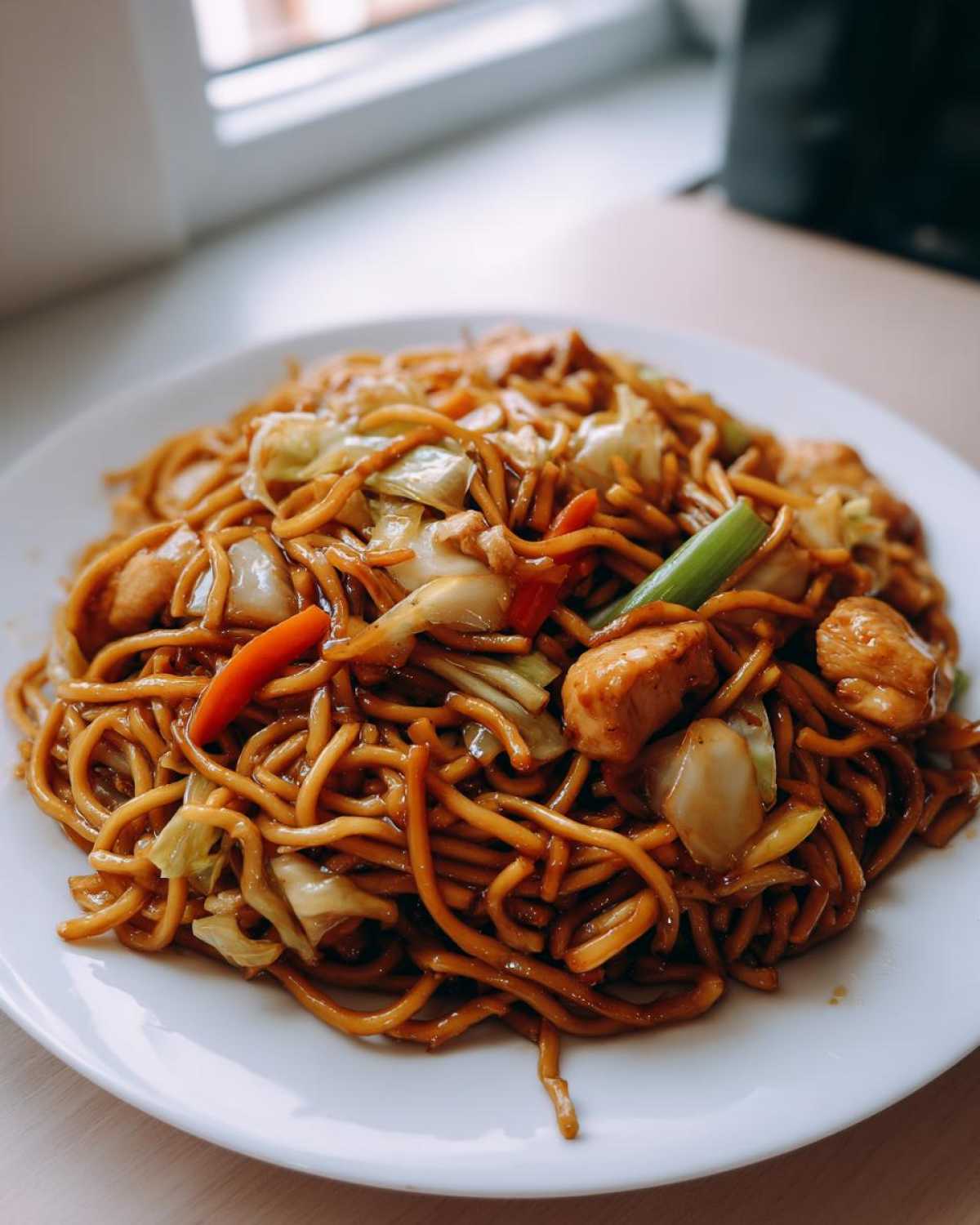
I hope you manage to save some, because this amazing chicken chow mein recipe tastes fantastic the next day, but you have to treat leftovers right! Alex always packs his lunch the second he finishes dinner, knowing that this stir-fry reheats better than almost any other noodle dish we make. The biggest enemy of leftover noodles is moisture; we want to avoid steamed mush at all costs!
First, when you think you’re done cooking, spread the chow mein out onto a cool baking sheet for about 15 minutes. This lets the steam escape rapidly. Alex calls this ‘shocking the noodles.’ Don’t just dump the piping hot stuff directly into a container! Once it’s cooled down just a little, transfer the leftovers into a shallow, airtight container. Shallow containers are great because they allow the noodles to cool evenly, which helps prevent bacteria growth and keeps the texture from getting weird.
This quick chow mein recipe keeps super well in the fridge for up to three days. When you’re ready to eat it again, the microwave is your fastest option, but honestly, it can make the noodles a little rubbery. If you have five extra minutes, I highly recommend reheating it in a wok or a large skillet over medium heat. Add just a tiny splash—maybe a teaspoon—of water or residual chicken broth to help generate a little steam, cover the pan briefly, and stir every minute or so until everything is heated through and the noodles are soft but still chewy again.
If you are planning ahead for future meals or just like having quick grab-and-go lunches ready (which I totally recommend for busy weeks!), you can freeze this too! Just make sure you don’t overcook the noodles initially. Place cooled portions into freezer-safe bags, press out the air, and freeze flat. When thawing, give them an extra splash of water during the reheating process to bring back that tenderness. It’s almost like making it fresh! If you love having quick pickled items on hand to mix into leftovers for a little zing, you have to check out my recipe for refrigerator pickles garlic dill recipe; they add the perfect crunch to day-old noodles!
Variations on This Easy Chicken Chow Mein Recipe
While I truly stand by this specific chicken chow mein recipe as the gold standard for speed and flavor, cooking should always feel like a sandbox, right? We’re never just following the map; we’re exploring the terrain around it! Alex, being the engineer, loves tweaking the variables, and I love seeing what colors we can add to the mix. If you’re looking to shake things up next week without ditching the killer sauce we created, you have tons of easy options here.
The beauty of a good stir-fry is its adaptability. Since we already mastered the technique for getting the chicken cooked perfectly and the vegetables crisp-tender, swapping the protein is simple. If you swap chicken for shrimp, you’ll need to cut the cooking time way down—shrimp cooks almost instantly! Toss them in right after the aromatics (garlic and ginger) start to smell good, cook for just two minutes until pink, and then proceed with adding the noodles and sauce. Or, for a fantastic vegetarian meal, use firm or extra-firm tofu; just make sure you press as much water out of the tofu as possible beforehand so it’s ready to soak up that sauce!
We often use this same technique when we make shrimp fried rice, so you’re already halfway there! If you’re just looking to boost the vegetables without changing the protein, go for it! Sliced bell peppers (any color!), snap peas, or even some hearty sliced mushrooms work wonderfully. Just make sure you add denser veggies, like those mushrooms, slightly earlier than the softer cabbage.
No matter what you toss in there, remember the key is that constant movement—that’s what makes it a great stir fry chicken noodles dish instead of a stew! And if you want a fun variation where you double up on the noodles but change the sauce slightly, you should totally check out the tips on this other chicken chow mein recipe for some extra ideas on boosting the savory element!
Frequently Asked Questions About This Chicken Chow Mein Recipe
I always love hearing what you all are wondering about, especially when you’re trying to fit something this flavorful into a tight schedule. It’s so easy to get tripped up on timing or ingredient ratios, but that’s why we’re here! Alex and I tackle these questions all the time as we try to replicate our favorite global street foods back home. Think of this as a little troubleshooting session for your chicken chow mein recipe journey. Don’t forget, if you want to see even more of my cooking journey and tips, you can always explore my general blog archive!
Can I make this chicken chow mein recipe ahead of time?
You sure can start components ahead, but for the best result—that beautiful, chewy chewiness—I really recommend only prepping the noodles the day before. If you cook the noodles fully and refrigerate them, they tend to absorb moisture and get a bit sticky or bloated. So, the best practice is to cook the noodles until they are very underdone (like the 7-minute mark instead of the 10-minute mark), drain them, toss them with a tiny drizzle of oil, and keep them airtight in the fridge. When you’re ready to eat, just toss them into the wok with the sauce and they’ll finish cooking perfectly. For the full dish, storing it is best right after you cook it, as the noodles will continue to soften as they sit in the fridge.
What is the secret to the best chow mein sauce?
The secret to getting that incredible, deep, restaurant-quality flavor in your best chow mein sauce is the balance of those three soy sauces we use! It’s not just about saltiness; it’s about depth and color. You need the low sodium soy sauce for the main salty base. Then, you add the oyster sauce for that essential savory, slightly sweet umami punch that makes it taste like takeout. Finally, that tiny bit of dark soy sauce is for color. It doesn’t add a huge flavor change, but it coats everything in that gorgeous dark brown sheen that you expect! Don’t skimp on the whisking step; getting those flavors emulsified before they hit the heat is key.
How can I make this a healthy chow mein alternative?
That’s a great question, especially since we are always trying to make our meals a little lighter when we’re not actively traveling! Since this is already a healthy chow mein alternative compared to deep-fried versions, the easiest tweaks are reducing the oil and swapping the noodles. You can easily cut the vegetable oil in half—use just 1 tablespoon total, making sure your wok is screaming hot before you add ingredients. If you don’t want to use commercial egg noodles, you can try soba noodles or even those thin rice noodles for a gluten-free approach. If you’re looking for more inspiration on healthy ways to manage favorite dishes, check out the genius ideas over at The Clean Eat!
Serving Suggestions for Your Savory Asian Noodles Recipe
Once you’ve got this incredible chicken chow mein recipe on the table, you might find yourself wondering what to serve alongside it. Since the goal here is fast and easy, we’re not going to suggest anything that requires another hour of active cooking! This dish is already loaded with protein, veggies, and carbs, so it’s basically a complete meal in a bowl. But, if you want to elevate it into a full feast because company dropped by unexpectedly (that happens to me all the time!), I have a couple of super quick ideas that pair perfectly and won’t stress you out.
My first thought for any great stir fry chicken noodles night is something hot, crispy, and dunkable. If you can buy decent frozen spring rolls or egg rolls that just need 15 minutes in the oven or air fryer, you’re golden. That contrast between the soft, saucy noodles and the crispy, flaky wrapper is just heaven. We often keep a bag of those vegetable ones in the freezer for just these moments!
If you want something lighter and fresher, a quick soup is wonderful. You don’t need a complicated broth; even heating up a simple vegetable or chicken broth and tossing in a handful of fresh cilantro and sliced mushrooms right before serving works wonders. It’s warm, comforting, and cleanses the palate between bites of rich noodles. If you’re feeling ambitious but still want that quick hit of warmth, you have to see how I handle my cowboy soup recipe—it’s hearty, but you can easily adapt the base to be much lighter and quicker!
Honestly though, sometimes the best pairing is just a small side of quick-pickled cucumbers or radishes. Just slice them thin, toss with a splash of rice vinegar and a pinch of sugar, and let them sit while the noodles cook. That little burst of bright acidity is the perfect counterpoint to the rich, savory Asian noodles recipe flavors. Instant freshness, no sweat!
Estimating the Nutrition for This Chicken Chow Mein Recipe
Now, I know some of you are like me—stirring the pot and wondering, “Is this secretly a gallon of oil disguised as dinner?” Alex, ever the practical engineer, insists we keep track of these things, even if we aren’t strictly counting calories every day. When we were living overseas, you just ate what was available, but now that we’re back, it’s good to know what we’re putting into our bodies!
Keep in mind that these numbers are just estimates for this chicken chow mein recipe based on the specific amounts called for in the ingredient list. Things like how much oil you actually use, or if you use lean breast meat or fattier thigh meat, will change these figures slightly!
This data gives you a good baseline for four servings:
- Serving Size: 1 serving
- Calories: 450
- Protein: 30g
- Fat: 12g (Saturated Fat: 2g)
- Carbohydrates: 55g (Fiber: 4g)
- Sodium: 850mg (Yep, that’s why we use low-sodium soy sauce where we can!)
We find that getting 30 grams of protein in a 30-minute meal is absolutely fantastic—it keeps us full way longer than ordering out does! So, while the sodium might look a tad high (that’s the soy sauce talking!), the protein and fiber balance make this a truly satisfying weeknight dinner that supports a balanced diet. Enjoy knowing you made something both delicious and relatively balanced!
PrintThe Easiest 30-Minute Chicken Chow Mein Recipe
Make this quick and easy chicken chow mein recipe at home for a flavorful, takeout-style dinner that is ready in 30 minutes. You get tender chicken, crisp vegetables, and savory Asian noodles.
- Prep Time: 15 min
- Cook Time: 15 min
- Total Time: 30 min
- Yield: 4 servings
- Category: Dinner
- Method: Stir-Frying
- Cuisine: Chinese
- Diet: Vegetarian
Ingredients
- 10 ounces dried egg noodles
- 1 pound boneless, skinless chicken breast, cut into bite-sized pieces
- 1 tablespoon soy sauce (for marinating chicken)
- 1 teaspoon cornstarch (for marinating chicken)
- 2 tablespoons vegetable oil, divided
- 1 cup shredded cabbage
- 1 cup sliced carrots
- 1 cup sliced celery
- 4 green onions, chopped (white and green parts separated)
- 2 cloves garlic, minced
- 1 teaspoon fresh ginger, grated
- 1/4 cup low sodium soy sauce (for sauce)
- 2 tablespoons oyster sauce (for sauce)
- 1 tablespoon dark soy sauce (for color and flavor)
- 1 tablespoon sesame oil (for sauce)
- 1 teaspoon sugar (for sauce)
- 1/2 teaspoon ground white pepper
Instructions
- Cook the egg noodles according to package directions until tender but still firm. Drain them well and set aside.
- In a small bowl, toss the cut chicken pieces with 1 tablespoon of soy sauce and cornstarch. Let this marinate while you prepare the vegetables.
- Whisk together all the sauce ingredients (low sodium soy sauce, oyster sauce, dark soy sauce, sesame oil, sugar, and white pepper) in a small bowl. Set the sauce aside.
- Heat 1 tablespoon of vegetable oil in a large skillet or wok over medium-high heat. Add the marinated chicken and stir-fry until it is cooked through and lightly browned, about 4-5 minutes. Remove the chicken from the skillet and set it aside.
- Add the remaining 1 tablespoon of oil to the skillet. Add the cabbage, carrots, and celery. Stir-fry the vegetables for 3-4 minutes until they become crisp-tender.
- Add the minced garlic, grated ginger, and the white parts of the green onions to the vegetables. Stir-fry for 30 seconds until fragrant.
- Return the cooked chicken to the skillet. Add the cooked noodles to the mixture.
- Pour the prepared savory sauce over everything. Toss constantly for 1-2 minutes until the noodles and ingredients are evenly coated and the sauce has thickened slightly.
- Stir in the green parts of the green onions just before serving. Serve your homemade chicken chow mein immediately.
Notes
- For a healthier chow mein alternative, use whole wheat egg noodles or brown rice noodles.
- If you do not have oyster sauce, you can substitute it with an equal amount of hoisin sauce for a similar savory depth.
- To achieve the best takeout style chow mein texture, cook the noodles slightly underdone, as they will continue to cook when stir-fried with the sauce.
Nutrition
- Serving Size: 1 serving
- Calories: 450
- Sugar: 7
- Sodium: 850
- Fat: 12
- Saturated Fat: 2
- Unsaturated Fat: 10
- Trans Fat: 0
- Carbohydrates: 55
- Fiber: 4
- Protein: 30
- Cholesterol: 85