

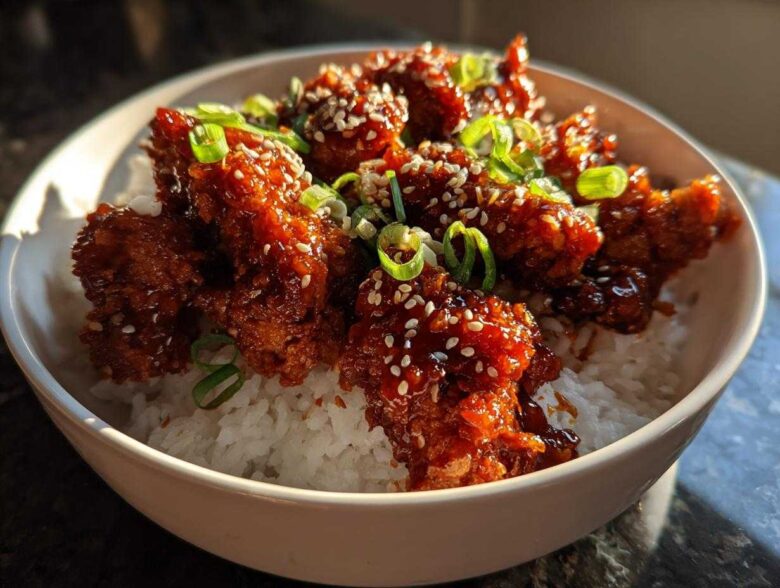
Whew, is it just me, or does finding a fantastic dinner that actually feels *exciting* during the week feel impossible sometimes? I used to rely on the same tired rotation, but then I finally nailed this gochujang chicken recipe, and honestly, my dinner routine changed forever. Forget spending hours in the kitchen; this Sticky Honey Gochujang Fried Chicken is the answer!
It hits everything you want: it’s unbelievably crispy, coated in this luscious, sticky glaze that’s the perfect mix of sweet and spicy heat, and it comes together so fast. It reminds me a bit of how I approach my Korean beef bowls—using bold spice balanced with a touch of sweetness. I spent almost a month testing ratios for the sauce balance—I needed that deep, savory note from the chili paste but couldn’t sacrifice the honey glaze, you know? Finally getting that sauce right, so it clings perfectly to the crunchy chicken bits, felt like a serious culinary victory. These bowls are my go-to now!
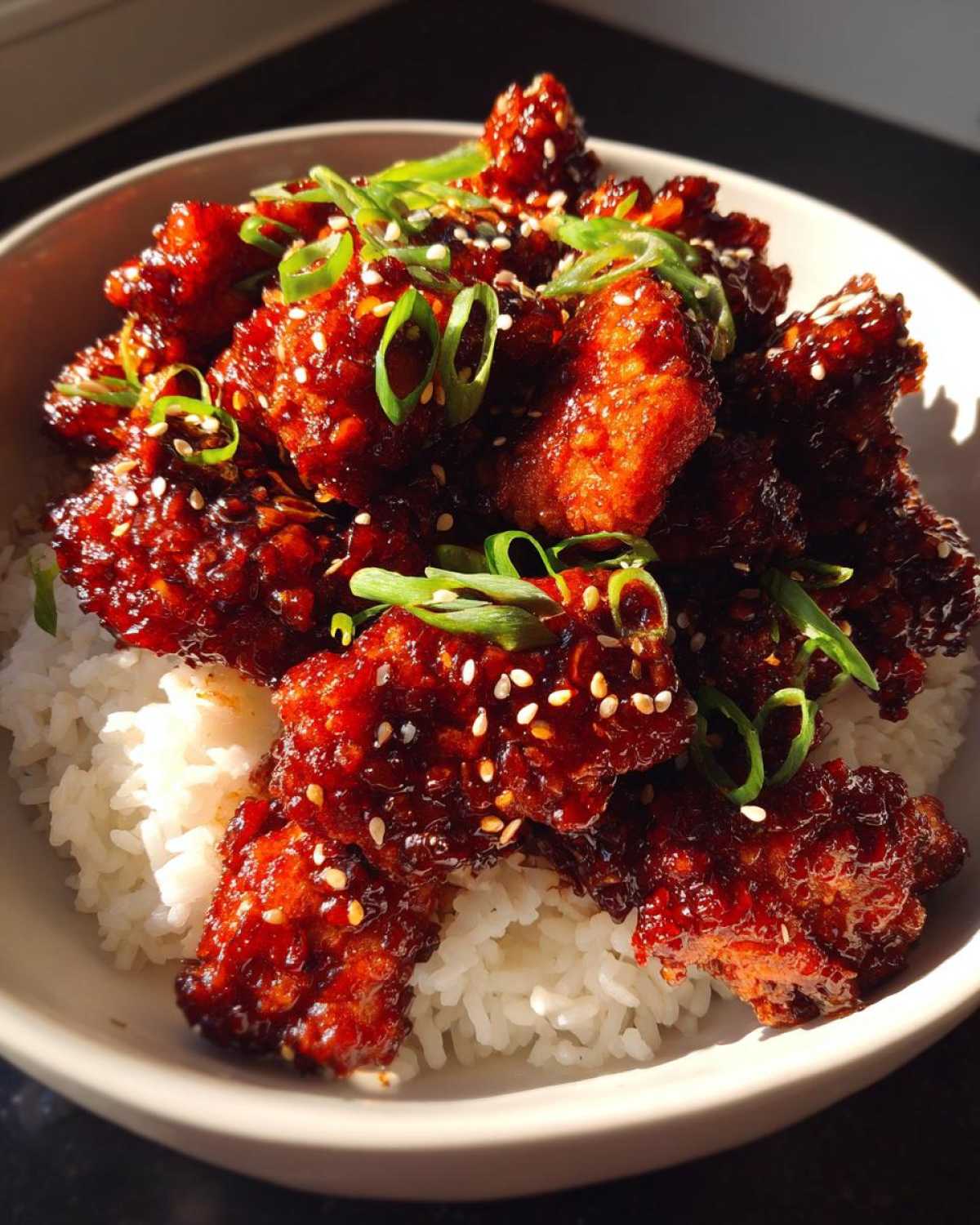
Why This Sticky Honey Gochujang Chicken Recipe Works (Easy Gochujang Dinner)
Look, I know you want that amazing texture you get from proper Korean fried chicken but without waiting hours for it to marinate or dealing with complicated double-frying setups every Tuesday night. This Gochujang Chicken Recipe is engineered for speed, flavor, and that irresistible crunch.
It’s superior for weeknight cooking because we nail the textural elements right away. Check out the few key things that make this recipe a total keeper:
Perfectly Crispy Texture
The secret to the crunch isn’t just the frying; it’s the coating! We use a mix of flour and cornstarch, which helps the batter set up quickly when it hits that hot oil. Getting your oil temperature right—like aiming for 350°F—is non-negotiable here. If the oil isn’t hot enough, the chicken soaks up greedily and gets soggy, which is a tragedy! If you want next-level crunch, try the double-fry tip mentioned in the notes; it takes an extra two minutes but makes a huge difference.
The Ultimate Sticky Sweet Gochujang Glaze
This is where we hit that craveable Sticky Sweet Gochujang flavor! Gochujang is fantastic, but on its own, it can be intensely spicy. We temper that heat with a healthy dose of honey and brown sugar. Simmering them briefly builds that perfect thickness so the glaze actually sticks to the chicken instead of pooling sadly at the bottom of your bowl. That balance between the savory depth and the sweetness is what makes this the Best Korean Chicken Recipe I’ve tested.
Seriously, this combo means you get restaurant flavor fast. You can check out my guide for quick weeknight flavor boosters if you’re looking to speed up other parts of your cooking!
Essential Ingredients for Your Gochujang Chicken Recipe
Okay, let’s talk about what you need to have on hand, because gathering your items first is the key to making this an Easy Gochujang Dinner! Since we are moving fast, you want everything ready to go before the oil starts heating up. I usually lay everything out assembly-line style so I don’t miss a step.
For the main event—the chicken—you’ll need about two pounds of boneless, skinless thighs or breasts, cut into nice 1-inch pieces. Thighs stay juicier, just a heads-up! Then you need the dry coating mix: flour, cornstarch (this is vital for the crisp!), salt, pepper, and garlic powder.
For our flavor-packed glaze, which creates that lovely Gochujang Glazed Chicken, make sure you have your gochujang paste ready. You’ll mix that with honey, soy sauce, a little rice vinegar for brightness, brown sugar for depth, plus fresh ginger and garlic. If you need a side kick, I’ve shared some great recipes for quick honey garlic sides that pair perfectly too!
How to Prepare Crispy Gochujang Chicken
Alright, this is the fun part where we take those coated pieces and turn them into golden perfection before glazing them up! Getting the technique right here is why this turns into Crispy Gochujang Chicken instead of sad, soggy chicken, so pay attention to the heat. We’re moving fast because this is meant to be an Easy Gochujang Dinner!
Coating and Frying the Chicken
First things first: get your coating station ready. You mix your flour, cornstarch, and seasonings first. Then, you toss the chicken pieces until they look dusty and coated. The next step is the real trick—dunk those coated pieces right into the water and mix until it just turns into a super thin, messy batter clinging to everything. Don’t overmix! You want that uneven surface for extra crunch.
Now, heat your oil until it’s shimmering hot. I use a thermometer because I’m serious about crispiness, but about 350°F is where you want to be. Fry in small batches; overcrowding the pan drops the oil temperature way too fast, and boom—soggy chicken city. Let them bubble away for about 5 to 6 minutes until they’re golden brown. Pull them out and set them on a wire rack to drain. If you’re feeling ambitious and want that legendary crunch, fry them once, let them rest for five minutes, and then toss them back in for one minute more until they are deep golden brown. I learned this from checking out my notes on great frying techniques!
Making the Gochujang Glazed Chicken Sauce
While the chicken is frying—or resting if you double-fried it—get that sauce going in a tiny saucepan. Whisk together the gochujang, honey, soy sauce, vinegar, and sugar. Get it over medium heat. You absolutely must stir this constantly because of the honey and sugar, otherwise, it will scorch on the bottom, and that bitter taste ruins everything. Seriously, constant motion! You just need it to simmer for about two minutes until it looks glossy and slightly thicker. Pull it off the heat right away.
Final Toss and Assembly for Gochujang Chicken Bowls
This is the moment of truth! Get your perfectly hot, crispy chicken into a large bowl—don’t use the saucepan you made the sauce in unless you clean it first! Pour that warm, sticky sauce right over the top. Toss hard and fast until every piece of chicken is completely coated and glistening. You have to work quickly here so the hot glaze doesn’t immediately soften your hard-earned crispiness!
Serve it instantly over steaming hot white rice. That way, the rice soaks up any extra amazing sauce that drips off. Finish it strong with a generous sprinkle of sliced green onions and some sesame seeds for texture. If you need amazing rice ideas, I have a great recipe for easy one-pot Spanish rice that works great for these bowls too!
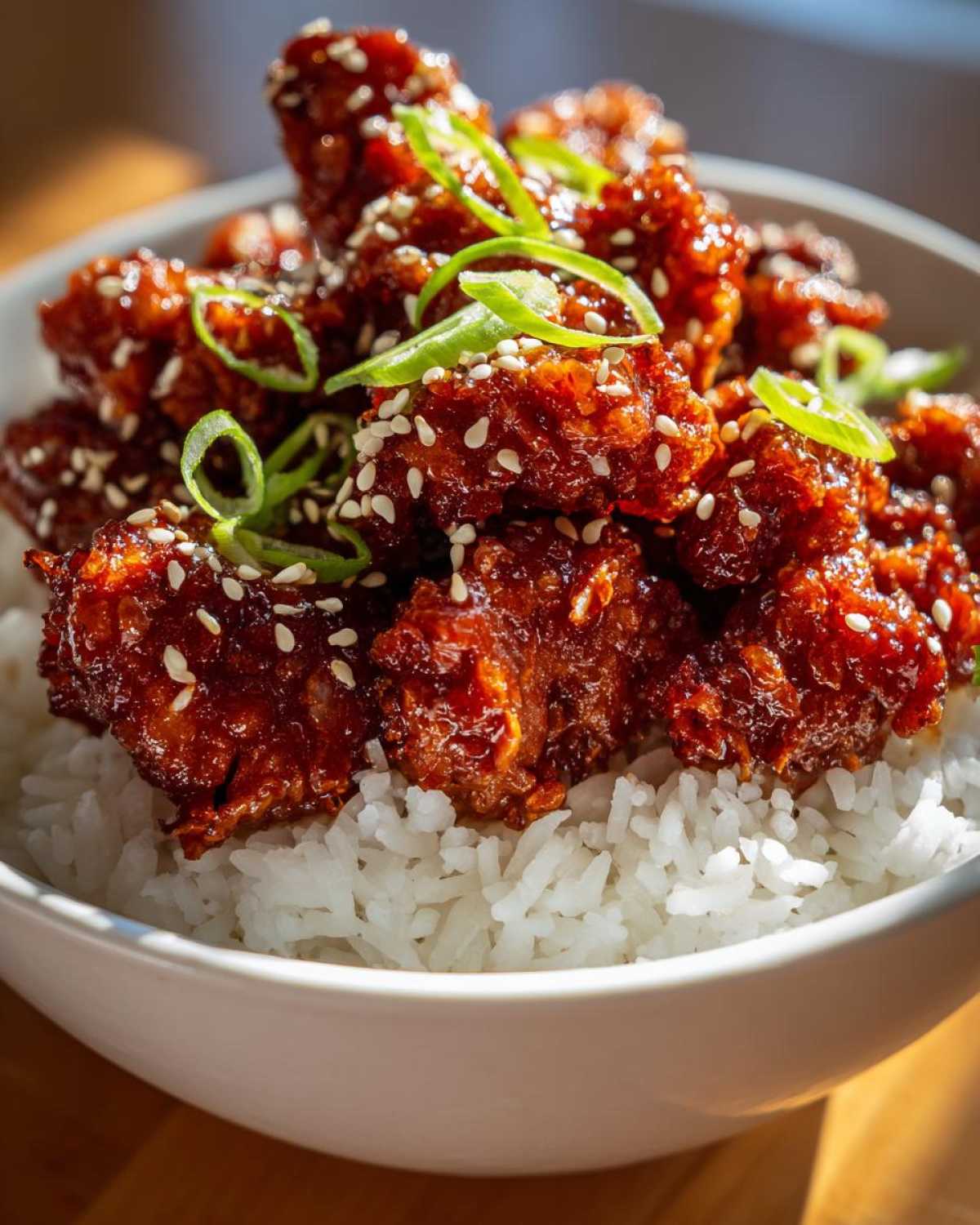
Tips for Success with Your Gochujang Chicken Recipe
Even when a Gochujang Chicken Recipe seems straightforward, those tiny details make the difference between a good meal and a totally unforgettable takeaway-quality dinner. I’ve spent too many evenings tinkering to not share the little adjustments that ensure you get those Flavorful Chicken Dinners every single time. Trust me, these tips help conquer the most common home cooking struggles!
Adjusting the Heat Level
This is probably the most asked-about thing when people try my Spicy Honey Chicken recipe! Gochujang itself varies in heat depending on the brand you buy, so you have to taste and adjust. If you taste your simmering sauce and it’s giving you dragon breath, don’t panic! You can easily pull it back from the brink. Add another spoonful of honey or a tiny bit of brown sugar; the extra sweetness really softens that chili edge without making it taste weird.
On the flip side, if you’re brave and want to ramp up the fire beyond what the standard paste provides, try adding a tiny dash of gochugaru (Korean chili flakes) at the end, or even a tiny drop of Sriracha if you don’t have flakes handy. It’s always easier to add spice than to take it away, so start small when adjusting!
Choosing the Right Cut for Flavorful Chicken Dinners
When I first made this several years ago, I used budget-friendly chicken breast because that’s what I usually kept in the freezer. It worked, but when I switched to chicken thighs, everything changed! For this kind of frying and glazing, I absolutely insist on using boneless, skinless chicken thighs if you can.
Why? Thigh meat has a little more fat running through it, which keeps it unbelievably juicy even after it’s coated in batter and fried hot. Breast meat tends to dry out faster once it’s cooked through, especially since the sauce is so concentrated. If you’re making these Gochujang Chicken Bowls for a crowd, thighs guarantee tenderness. You can explore my full guide on the best cuts for Korean fried chicken variations if you get hooked on this style!
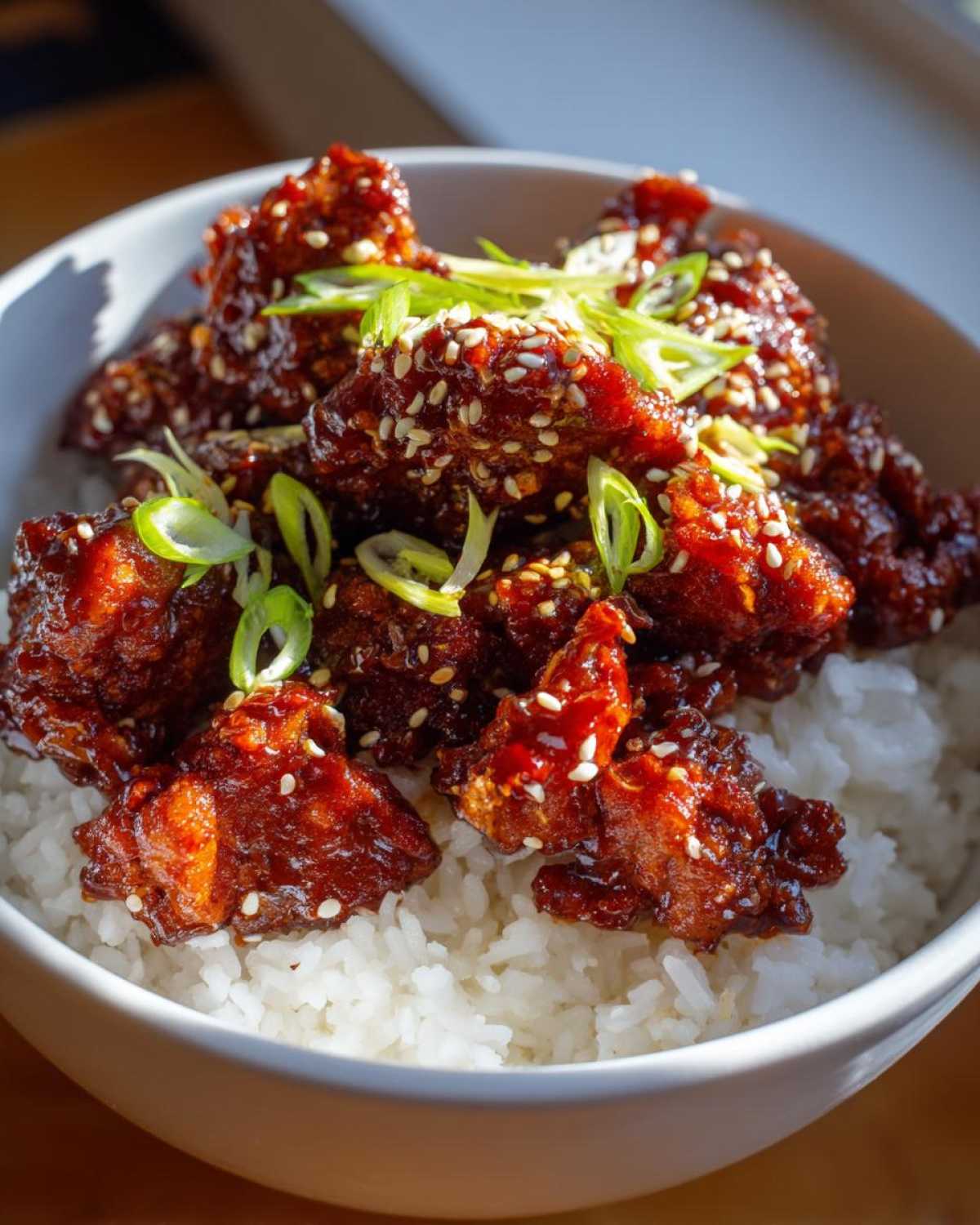
Variations: Quick Korean Chicken Ideas
Once you master the Sticky Honey Gochujang Chicken, it’s so easy to start mixing things up! That core flavor profile—the sweet, the spicy, the savory—is fantastic base for so many dinners. I love keeping things interesting so we never get bored with our Weeknight Korean Meals. If you’ve mastered the deep-fry method, these variations can help you save cleanup time or just change up the texture entirely.
Air Fryer Gochujang Chicken Option
This is for my friends who love being crunch-obsessed but really hate deep-frying, or maybe you’re trying to make a batch of Healthy Gochujang Chicken. You can absolutely use your air fryer! The process is nearly identical up until the frying step. You’ll coat the chicken exactly as detailed above—the coating is designed to set up well in the dry heat.
Then, instead of dropping it in oil, lay the battered pieces in a single layer in your air fryer basket. You need to spray them lightly with cooking spray first, don’t skip that! Cook them at about 390°F for about 12 to 15 minutes, flipping halfway through. They won’t get that deep, dark crust you get from the fryer, but they will be incredibly crispy and much lighter. Once they’re cooked, right before serving, toss them in that warm glaze just like we did before. It’s a fantastic way to make a slightly lighter version of the dish. If you’re playing around with air frying, check out these great tips on air fryer technique—it makes a huge difference!
Gochujang Glazed Chicken Thighs
If you want to skip the batter step altogether and focus purely on caramelization, switch your cut of meat! Instead of cutting up boneless pieces, grab bone-in, skin-on chicken thighs. These are fantastic for throwing on the grill or baking if you want maximum ease and flavor complexity.
For these, I skip the flour/cornstarch coating entirely. Pat the skin really dry, season them simply with a little salt and pepper, and roast them until the skin is starting to render and crisp up underneath. Once the thighs are almost done, brush them heavily with the sauce during the last 5 to 10 minutes of cooking, flipping once to get glaze on both sides. The sugars in the sauce will blister and caramelize beautifully over that skin. This gives you a slightly different but equally delicious experience—more of a pure Asian Glazed Chicken vibe, perfect for those nights when you want that rich flavor without the fuss of frying pieces.
For another oven-friendly style, I also have a wonderful guide on baking salmon that uses similar sweet/savory glaze principles!
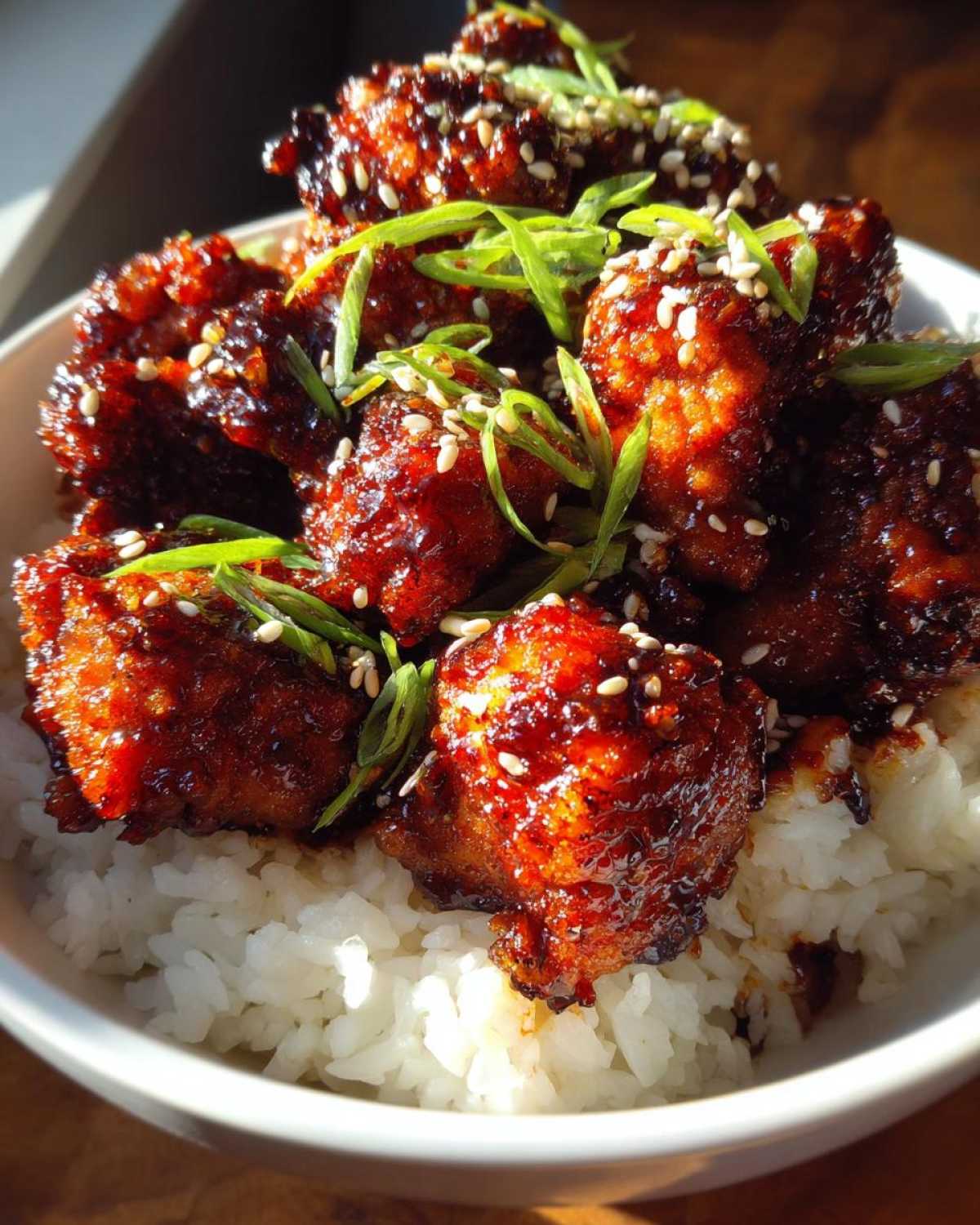
Serving Suggestions for Your Gochujang Chicken Bowls
Even though this Gochujang Chicken Bowls concept works perfectly with just rice, I rarely serve it without a couple of fresh, crisp elements alongside it. That bold, sticky, sweet-heat flavor needs something cool and refreshing to cut through it, right? If you just pile the chicken over plain white rice, you miss out on texture and balance. I always treat these like fancy takeout bowls at home, focusing on contrast!
The base is non-negotiable: use good, fluffy, hot white rice. The sticky glaze loves to seep down into the grains, making every bite amazing. But you’ve got to load up the sides!
For my favorite vegetable element, I always quickly sauté some crisp Asian greens—broccoli florets or Napa cabbage works wonderfully. A light toss in sesame oil and maybe a dash of salt is all they need. You want them tender-crisp, not mushy. They add that necessary green crunch.
When I want something a little heartier than just greens, I turn to quick pickled vegetables. Think quick refrigerator pickles made from shredded carrots and daikon radish, soaked in a 50/50 vinegar/water mix with a little sugar. They give you that necessary sour pop that cleanses the palate between those spicy, rich bites of chicken. It’s a revelation!
Speaking of rice bases, if you’re looking to switch things up from plain white rice, you could try making a batch of simple seasoned rice. I have a great recipe for easy one-pot Spanish rice that adds a little color and flavor depth underneath the chicken, making the whole bowl feel even more robust. It’s all about layering those simple components when you build your perfect bowl!
Storage and Reheating Instructions for Leftover Gochujang Chicken
What? You had leftovers? That’s honestly shocking because this gochujang chicken is usually gone in about five minutes flat at my house. But hey, if you managed to save some of that sticky, spicy goodness, we need to treat it right so it tastes great the next day. Storing this sticky glazed chicken requires a little care because that beautiful glaze is designed to cling, but it can also turn soft if stored improperly, especially overnight.
For storage, make sure the chicken cools down completely before you try to put it away. Hot food creates condensation in the sealed container, and that steam is the enemy of residual crispiness. Once it’s totally cool, pop it into an airtight container. I always keep my leftovers toward the back of the fridge where it stays coldest. It should keep nicely for about three to four days max.
Now, reheating is where we need to be honest with ourselves: that amazing, crackly fried coating won’t be *exactly* the same after it’s been refrigerated, especially once it’s been swimming in that sticky sauce. That’s just science, folks!
If you’re tempted to zap it in the microwave, please don’t! That will just steam the chicken into rubbery sadness. My best bet for reheating this Sticky Sweet Gochujang chicken is the air fryer or a regular oven. If you use the oven, set it to about 350°F and lay the chicken pieces in a single layer on a parchment-lined baking sheet. Heat them for about 8 to 10 minutes. This gives the exterior a chance to dry out a bit and firm up again, reviving some of that lovely sticky texture.
If you’re in a huge rush, slicing the chicken up and tossing it into a fresh batch of fried rice tomorrow is what I often do! It becomes a totally different, but equally delicious, meal. You can find my favorite way to make that in my chicken fried rice recipe guide—it’s a great way to use leftovers!
Frequently Asked Questions About This Korean Spicy Chicken
I know sometimes you have lingering questions after reading through all the details, especially when you’re trying a new cuisine like this Korean Spicy Chicken! Don’t fret; I’ve gathered the most common queries I hear about tweaking this recipe to fit different needs. It’s all about making it work perfectly in *your* kitchen, whether you’re aiming for speed, health, or just making substitutions work.
Can I make this a Healthy Gochujang Chicken recipe?
Absolutely, you can definitely lighten this up! While the deep-fried crust is what gives it that signature indulgence, you can achieve fantastic flavor results by changing the cooking method. I strongly recommend the air fryer approach we talked about earlier; it cuts down massive amounts of oil while still giving you a good crunch. That swap alone makes it a much Healthier Gochujang Chicken option.
To tackle the sugar, when you’re making that glaze, try swapping out one tablespoon of the honey for one tablespoon of plain, unsweetened applesauce. It sounds weird, but the applesauce adds bulk and moisture needed for that thick consistency without adding extra spoonfuls of sugar. Also, if you go the Air Fryer route, opt for chicken breast instead of thighs, as breast meat is leaner!
What is the best way to Make Gochujang Sauce without simmering?
This is a tricky one because simmering is what concentrates those flavors and really helps the sugars thicken into that perfect clingy glaze. If you absolutely cannot simmer it—maybe you’re in a massive rush or using a dorm room setup—you can try whipping up the sauce cold, but I have to give you a warning: it won’t be as thick.
If you skip the heat, mix everything really, really well in a small bowl. Since the sauce won’t reduce, it will be thinner. You’ll get more of an Asian Chicken *drizzle* rather than a true *glaze*. You’ll need to serve it with a spoon ready to drizzle extra on the side! Also, remember, if you use your sauce cold, you lose a bit of the depth of flavor that comes from heating the sugars and aromatics.
If you need more fast-prep ideas, I have a great one for easy chicken lettuce wraps that require almost zero cook time!
Nutritional Estimates for Sticky Honey Gochujang Chicken
Okay, so if you’re tracking macros or just curious about what you’re diving into when you make these phenomenal Gochujang Chicken Bowls, here is the nutritional breakdown! Please remember, this is just an honest estimate based on the ingredients listed and assuming you get four even servings from the recipe, as detailed in the recipe card.
Because we are deep-frying, the fat content is naturally going to be higher than if you baked it, but the good news is that you get a massive punch of protein in every serving. If you’re using chicken breast instead of thighs, these numbers will shift slightly toward leaner fat content, but the flavor profile will still be amazing!
Here is the breakdown for one estimated serving size (about 6 oz of chicken):
- Serving Size: 1 serving (approx. 6 oz chicken)
- Calories: 550
- Fat: 28g (with 6g of that being saturated)
- Carbohydrates: 35g
- Sugar: 22g (This is where the honey in the glaze really shows up!)
- Protein: 40g
- Sodium: 750mg
- Fiber: 2g
This is meant to be fuel for the week, and honestly, getting 40 grams of protein in a meal this delicious makes it a total win in my book. Enjoy every single sticky, spicy bite!
PrintSticky Honey Gochujang Fried Chicken Bowls
Make crispy, sweet, and spicy Korean-style fried chicken coated in a sticky gochujang glaze. This recipe is fast and perfect for a weeknight dinner served over rice.
- Prep Time: 15 min
- Cook Time: 20 min
- Total Time: 35 min
- Yield: 4 servings
- Category: Dinner
- Method: Frying
- Cuisine: Korean
- Diet: Non-Vegetarian
Ingredients
- 2 lbs boneless, skinless chicken thighs or breasts, cut into 1-inch pieces
- 1 cup all-purpose flour
- 1/2 cup cornstarch
- 1 teaspoon salt
- 1/2 teaspoon black pepper
- 1/2 teaspoon garlic powder
- 1/2 cup water
- 1/2 cup vegetable oil for frying
- 1/4 cup gochujang (Korean chili paste)
- 3 tablespoons honey
- 2 tablespoons soy sauce
- 1 tablespoon rice vinegar
- 1 tablespoon brown sugar
- 1 teaspoon grated fresh ginger
- 2 cloves garlic, minced
- Cooked white rice, for serving
- Sliced green onions, for garnish
- Sesame seeds, for garnish
Instructions
- In a medium bowl, mix the flour, cornstarch, salt, pepper, and garlic powder. Add the chicken pieces and toss until fully coated.
- Pour the water into the coated chicken and mix until a thin batter forms around the pieces.
- Heat the vegetable oil in a large skillet over medium-high heat until it reaches 350°F (175°C).
- Carefully add the chicken pieces to the hot oil in batches, ensuring not to overcrowd the pan. Fry for 4 to 6 minutes, turning occasionally, until golden brown and cooked through. Remove chicken and place on a wire rack to drain excess oil.
- While the chicken fries, prepare the sauce. In a small saucepan, combine the gochujang, honey, soy sauce, rice vinegar, brown sugar, ginger, and minced garlic.
- Bring the sauce to a simmer over medium heat, stirring constantly until it thickens slightly, about 2 minutes. Remove from heat.
- Place the fried chicken back into the empty skillet or a large bowl. Pour the gochujang glaze over the chicken and toss quickly until every piece is evenly coated and sticky.
- Serve the sticky gochujang chicken immediately over bowls of cooked white rice. Garnish with sliced green onions and sesame seeds.
Notes
- For extra crispiness, you can double-fry the chicken: fry once until light golden, rest for 5 minutes, then fry again until deep golden brown.
- If you prefer a less spicy sauce, reduce the amount of gochujang by one tablespoon and replace it with an extra tablespoon of honey.
- You can substitute chicken thighs with chicken breast, but thighs stay juicier after frying.
Nutrition
- Serving Size: 1 serving (approx. 6 oz chicken)
- Calories: 550
- Sugar: 22
- Sodium: 750
- Fat: 28
- Saturated Fat: 6
- Unsaturated Fat: 22
- Trans Fat: 0
- Carbohydrates: 35
- Fiber: 2
- Protein: 40
- Cholesterol: 110