

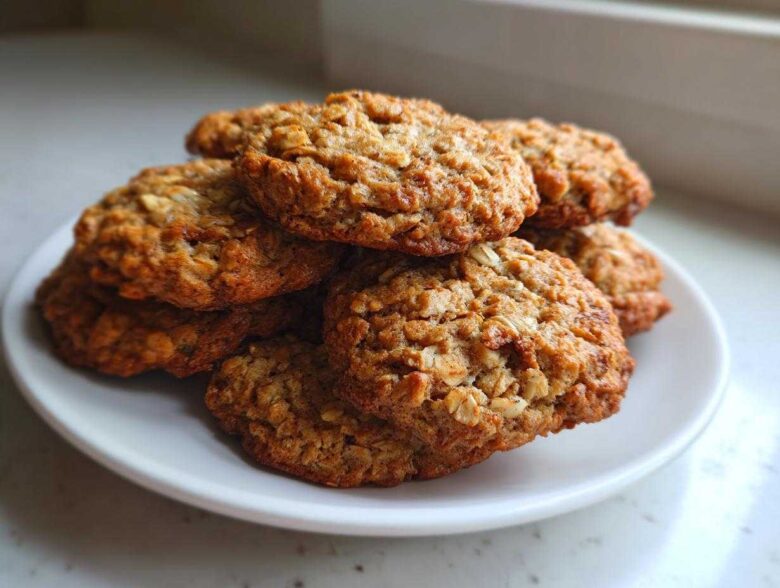
If you’ve ever grabbed a cookie and immediately felt that warm, cozy wave of comfort—the kind that just fixes a rough Tuesday—then you know the power of a truly great oatmeal cookie. Forget those dry, crumbly ones that shatter when you pick them up! Alex and I have baked these dozens of times, from dusty kitchens in Nigeria to this bright one back home, and this recipe is our unwavering champion. This isn’t just any recipe; this is genuinely the best soft and chewy one-bowl oatmeal cookie you will ever mix up. It’s simple, it’s foolproof, and it always brings a smile to our faces. You can see more of our kitchen adventures over at the AfriPaket blog, but trust me, start here with this classic comfort bake.
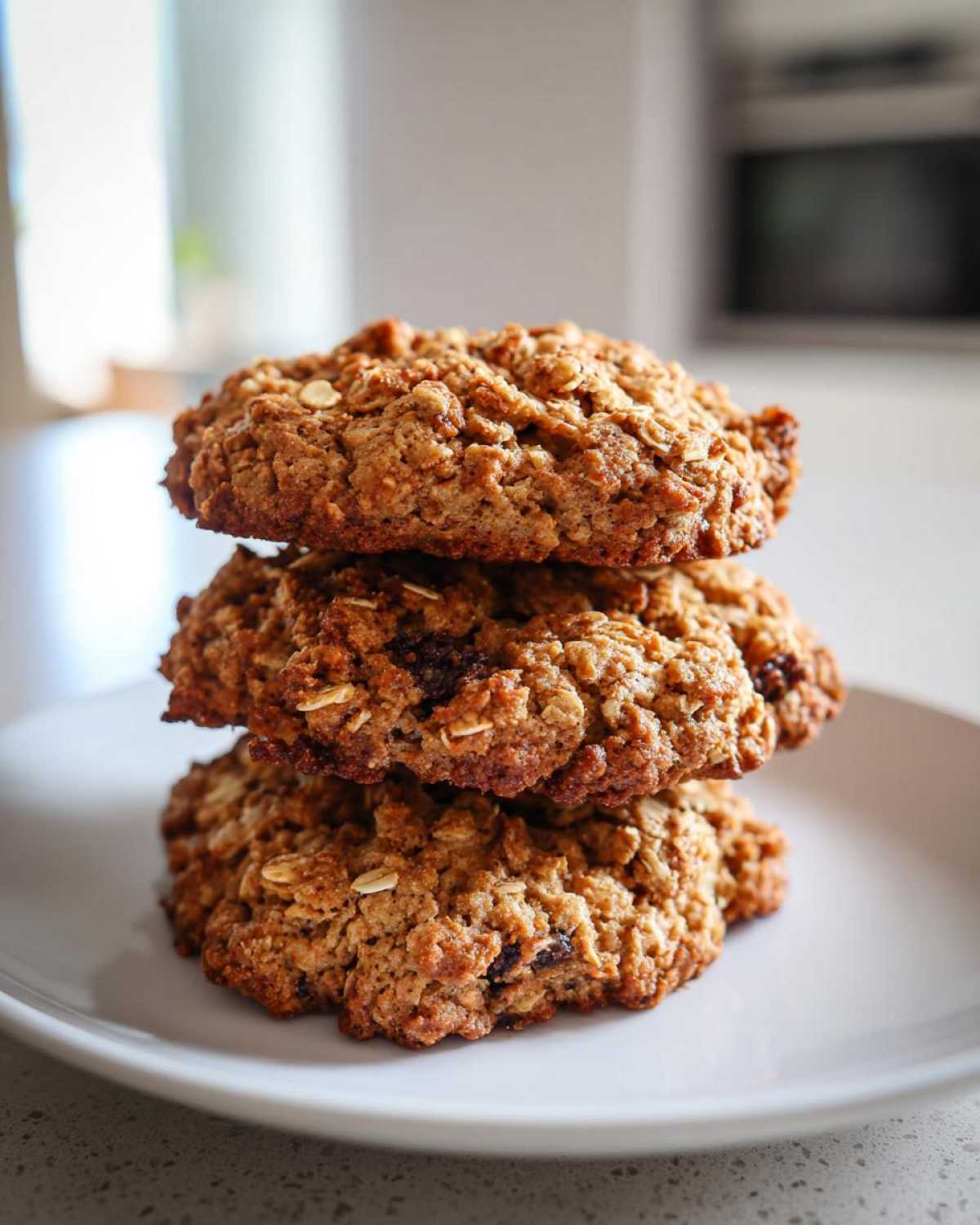
Why This Soft and Chewy Oatmeal Cookie Recipe Works
So, what makes this one the absolute keeper? Honestly, it hits all the sweet spots without demanding you pull out every mixing bowl you own. This recipe is designed for maximum chewy payoff with minimum fuss. It’s the one we whip up when we need comfort fast! If you’re looking for that perfect texture where the edge snaps just a little but the middle stays soft, check out why others love this specific structure, like this one too.
- Guaranteed soft centers and perfectly set, chewy edges.
- It needs just one bowl—seriously, cleanup is a breeze!
- It sets up beautifully, so you get that perfect thickness every time.
The Secret to the Best Chewy Oatmeal Cookies
The chewiness is all thanks to brown sugar. That molasses content is my secret weapon; it just keeps things moist and soft way longer than plain white sugar ever could. Also, and this is crucial, you must stop mixing when the flour is *just* incorporated. Overmixing oat cookies makes them tough, and we want tender, delicious bites, not little hockey pucks!
Making Easy One Bowl Oatmeal Cookies
I love efficiency. Back when we were trying to cook in tiny market apartments overseas, every extra dish felt like a catastrophe! Because we start by creaming the sugars and butter right in the main bowl, we skip the tedious step of combining wet and dry ingredients separately. You just add the flour mixture right on top and stir gently. That’s why I call these my easy one bowl oatmeal cookies.
Gathering Ingredients for Your Oatmeal Cookie Dough
Okay, this is where the magic starts! Since we’re keeping this a one bowl oatmeal cookie recipe, we want to make sure everything is ready to go before we start creaming. I always get my ingredients laid out first so I can move fast once the mixer starts going. You need proper ratios for the best chewy oatmeal cookies, so measure carefully! You’ll see the full list below, but pay close attention to how soft that butter needs to be.
For the wet base, make sure you have 1 cup (that’s two sticks!) of unsalted butter, but it must be softened—not melted, just soft enough that you can easily press your finger into it. Then, we need a sweet combination: 1 cup of brown sugar, which has to be packed firmly into the cup, and 1/2 cup of regular white sugar. Don’t forget your two large eggs and that lovely splash of vanilla extract. That vanilla really stands out in a classic oatmeal cookie recipe, by the way!
For the backbone of the cookie, you’ll need 1 1/2 cups of all-purpose flour. Always whisk your dry things together first—that means 1 teaspoon of baking soda and 1/2 teaspoon of salt—before adding them to avoid clumps. And of course, the star: 3 whole cups of old-fashioned rolled oats. If you’re adding chocolate chips or raisins, have 1 cup ready to go for the end!
Ingredient Notes and Substitutions for the Oatmeal Cookie
I know sometimes you have to make do with what you have. If you’re out of that nice light brown sugar, you can try mixing white sugar with a drizzle of molasses, but honestly, stick to the brown sugar if you can for that deep buttery flavor. Also, when it comes to oats, please, skip the instant oats if you can. Instant oats break down way too much, and you end up with a denser, softer cookie that loses that wonderful texture. We want textural contrast! If you absolutely must substitute the butter, using a high-quality shortening works in a pinch, but the depth of flavor from real butter is what makes these cookies truly special. Have fun checking out how others customize their bakes for inspiration!
Step-by-Step Instructions for Homemade Oatmeal Cookies From Scratch
Alright, let’s get this show on the road! Baking oatmeal cookies from scratch sounds fancy, but keeping it in one bowl really keeps things manageable. First things first: get that oven preheated to 350°F (175°C). I use parchment paper on my sheets every single time. It saves me from scrubbing baked-on sugar later, and trust me, when you’re excited for cookies, you don’t want to waste time scraping gunk!
I have to confess, I learned this lesson the hard way! One time, Alex insisted we could skip waiting for the butter to soften properly because we were in a rush. We powered through the creaming step, and boy, did the cookies suffer. They ended up flatter than pancakes and just didn’t have that beautiful, thick center we love. Patience during creaming pays off, I promise!
Creaming and Mixing the Oatmeal Cookie Batter
This is the foundation for truly soft baked oatmeal cookies. Get that softened butter, light brown sugar, and granulated sugar into your big bowl. Whether you use a hand mixer or a stand mixer, you need to beat this mixture until it looks genuinely light and fluffy—almost pale yellow, like whipped clouds. It should take a few good minutes to get enough air whipped in there. Once it looks fluffy, beat in those two eggs, one at a time, making sure the first one is fully incorporated before adding the next. Give the vanilla a quick stir in there, too.
Now, switch gears slightly. In a separate, smaller bowl, whisk your flour, baking soda, and salt together. This just makes sure the leavening is evenly spread out. When you add this dry mixture back to your wet stuff, you have to be gentle! Add it gradually, mixing on the lowest speed until you see maybe just a few streaks of white flour peeking through. If you mix until it’s totally smooth right now, you’ll develop too much gluten, and those chewy oatmeal cookies will turn hard! Once it’s *just* combined, turn off the mixer. Now, grab a wooden spoon and fold in those 3 cups of rolled oats by hand until everything looks happy together. If you’re adding any chocolate chips or raisins, this is the moment to fold those in gently, too.
Baking Your Soft Baked Oatmeal Cookies Perfectly
Use a rounded tablespoon to scoop out mounds of dough onto your parchment-lined sheets, leaving about two inches between them because they need room to spread out a little bit. If I want them a touch thicker rather than crispy around the edges, I gently press the tops of the dough balls down just a tiny bit before they go in. They bake fast—seriously fast! You’re looking for about 10 to 12 minutes at 350°F. What you watch for is critical: the edges should look set and nicely golden brown, but the very center of the cookie should still look slightly soft, maybe even a tiny bit underdone. Don’t panic!
This last step is non-negotiable if you want that perfect texture. Pull the sheets out of the oven and let those beauties sit right there on the hot pan for a full 5 minutes. That residual heat finishes baking the center without making the edges overdone. After 5 minutes, carefully move them over to a wire rack to cool completely. If you try to move them right away, they’ll definitely crumble! These cooling instructions are key to getting those fantastic easy oatmeal cookies everyone raves about.
Customizing Your Oatmeal Cookie Recipe
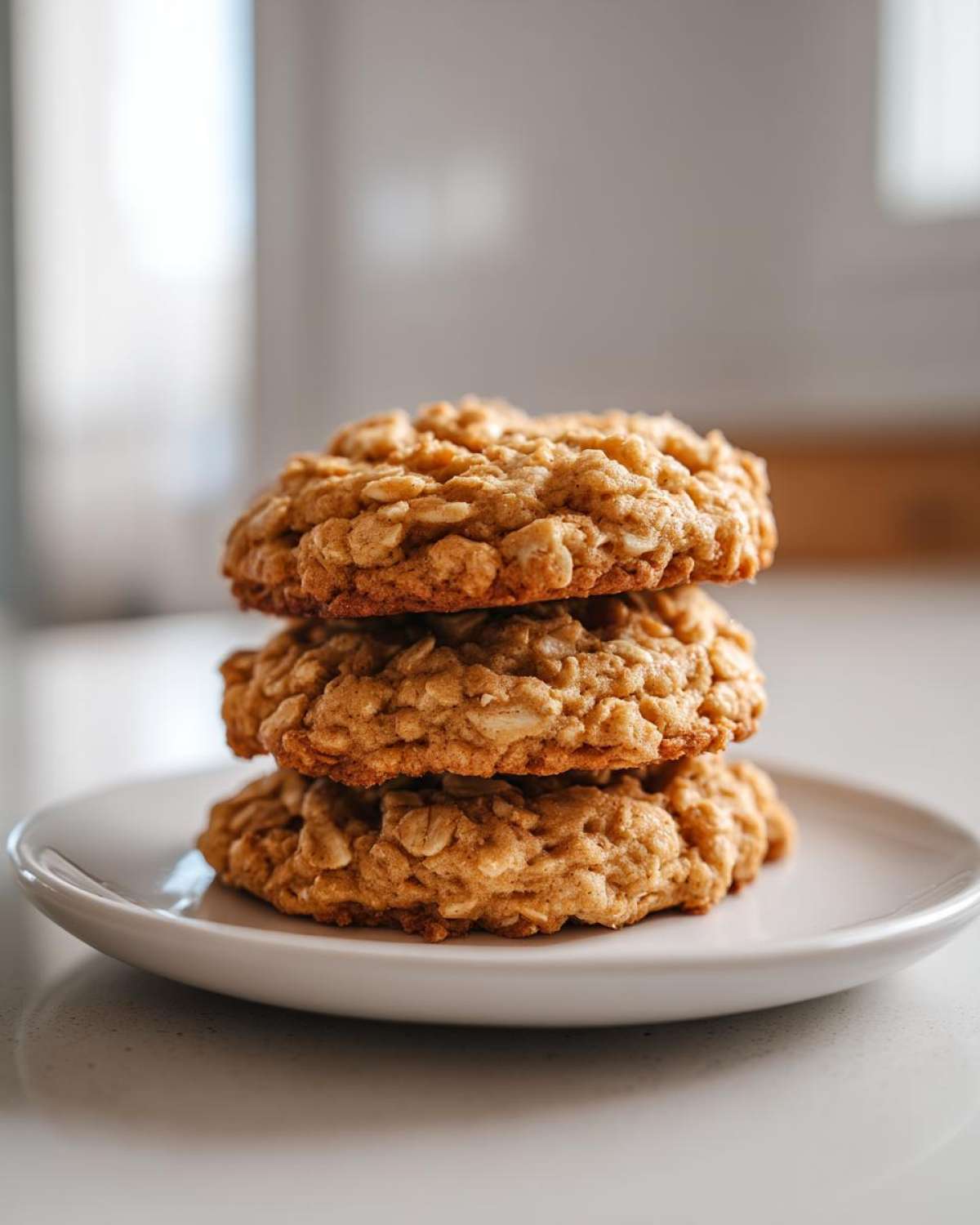
This recipe is so sturdy and forgiving, which is why it’s perfect for playing around with! You know how Alex sometimes gets tired of the same flavors? Well, this base dough is ready for whatever fun additions you want to throw in. We love the classic look, but sometimes you just need chocolate, right? This is my favorite place to talk about how to adapt these from a classic oatmeal cookie recipe into whatever you’re craving. Feel free to check out our cranberry version if you want to try something a little different, too!
Making Oatmeal Chocolate Chip Cookies Recipe
If you are heading for chocolate chips—and who could blame you?—just wait until the very end. After you’ve folded in all 3 cups of those beautiful old-fashioned oats and the dough is just barely mixed, toss in your cup of chips. Then, very gently, fold them just until they disappear. We don’t want to overwork that batter after the flour has gone in! If you prefer raisins, do the same thing. I actually prefer soaking my raisins briefly in hot water or even a little tea about ten minutes before I use them. They plump up nice and plump that way. If you skip that step, dry raisins will just suck moisture right out of your soft baked oatmeal cookies while they cool, and we can’t have that!
Tips for Moist Oatmeal Cookies (Spice and Sweetener Swaps)
Most traditional recipes call for cinnamon—it adds such a lovely warming flavor that goes perfectly with oats. If you want that classic fall dessert vibe, go ahead and stir in about 1 teaspoon of ground cinnamon when you mix your dry ingredients. But here’s a little secret: sometimes Alex doesn’t want any spice at all, especially if we’re making a batch that’s going straight into ice cream sandwiches! So, you absolutely can leave the cinnamon out, and they will still be wonderful, slightly less spiced oatmeal cookies. You’ll still get all the moisture from the butter and brown sugar.
Now, if you’re looking to make these a healthier option—maybe turning them into a real breakfast cookie, as some folks do—you can start swapping ingredients. For example, some people substitute a quarter cup of that butter with applesauce. I haven’t tried the applesauce swap much myself because I worry about losing the chew, but if you’re watching sugar or fat intake, it’s an option worth exploring! You can look at how others manage that low-sugar swap right here for ideas. Always be sure to check the texture when you substitute binders, though!
Storage and Keeping Your Oatmeal Cookie Fresh
The absolute worst thing is baking a massive batch of the most perfect, soft and chewy oatmeal cookies, only to find them hard as rocks three days later! I always make sure I have a good airtight container ready to go because managing storage is just as important as the mixing technique. If you don’t have a dedicated cookie jar out on the counter, grab a sturdy plastic container with a good seal.
For keeping them soft, the rule is simple: airtight, always. If you just leave them in a regular cake keeper or on a plate covered with foil, the air eventually gets to them, and they dry out fast. I’ve found that layering them works best, but you have to be careful! You really want a barrier between those layers so the bottoms don’t get smooshed or sticky. A small piece of wax paper or parchment paper between stacked cookies is just the ticket for keeping them perfect.
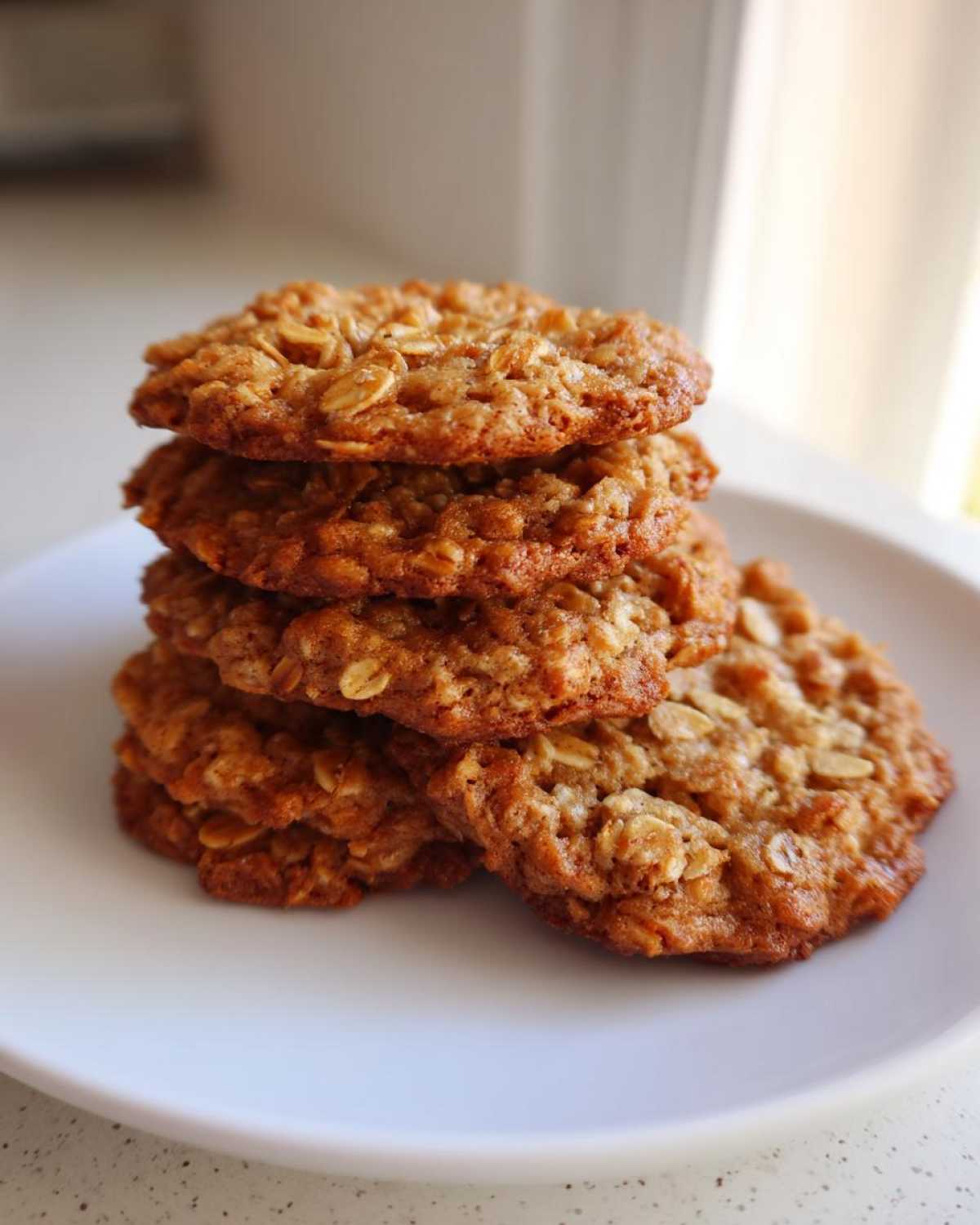
Countertop life is great for short terms—say, two or three days, if you can resist eating them that long! After that, the textural quality really starts to decline, in my opinion. If you know you aren’t going to finish the batch within a week, you should absolutely freeze them. You can freeze these cookies baked or even as balls of dough, ready for a surprise bake later. Freezing baked cookies is such a lifesaver when you need a craving fixed fast. You can read about some of my other favorite preservation methods, like pickling, over here, but for cookies, freezing is the winner!
When you pull the frozen cookies out, let them thaw on the counter for about 15 minutes before you try one. They come out tasting like they were just pulled from the oven—nice and soft again. It’s like time travel, only with more oats!
Troubleshooting Common Oatmeal Cookie Issues
Even with a dynamite recipe like this, sometimes things go a little sideways in the oven. Don’t sweat it! Baking is part science and part intuition, and sometimes we just need a quick fix to save the batch. I’ve had cookies spread out like thin puddles of butter, and I’ve had ones that looked more like little rocks. It happens to everyone, even me!
The main issues usually boil down to temperature or mixing. If your butter was too warm when you started creaming, the fat melts too fast in the oven, and voilà—thin cookies! If you overmixed the flour even a little bit, you might end up with something a bit too cakey or firm rather than chewy.
How to Make Oatmeal Cookies Crispy and Chewy Balance
Getting that perfect textural balance between crispy edges and a soft, gooey center is what everyone is aiming for when they make oatmeal cookies, right? You have two great levers you can pull here: chilling and flattening.
If your cookies are spreading too thin, the absolute best thing you can do next time is chill the dough. Just pop that mixed dough into the fridge for about 30 minutes before scooping. That solid fat takes longer to melt in the oven, which means the cookie has time to set its structure before it goes flat. Keep in mind, chilling will make them come out slightly thicker. If you want them a little crisper this time around, go ahead and slightly flatten the dough balls with the bottom of a glass before baking them. This spreads the dough out more on the sheet, encouraging crispier edges. If you prefer them softer, make sure you pull them out right when the edges look golden—that slightly underdone center hardens into chewiness as they rest, not while they are in the heat!
If you want more guidance on achieving that perfect textural moment, take a peek at how experts manage that balance here. It’s all about timing your bake just right!
Serving Suggestions for Your Classic Oatmeal Cookie Recipe
Now that you have perfected these beautiful, soft, and chewy oatmeal cookies—hopefully before they disappeared entirely!—it’s time to talk about how to serve them for maximum enjoyment. Baked goods are always better when paired with something lovely, aren’t they? Alex and I have a couple of non-negotiable pairings, especially when we have a batch fresh out of the oven and still warm.
First up, the ultimate classic: a tall, cold glass of milk. There is nothing that can compete with dunking a slightly robust, perfectly chewy oatmeal cookie into milk. It’s comfort food simplicity at its best. When we served these to friends back home, they always disappeared fastest when left next to the cookie jar with milk!
If you’re looking for something warmer, these cookies stand up beautifully to coffee or tea. Because they aren’t overly delicate, they don’t fall apart the second they touch the hot liquid. This sturdy texture is one of the best features of a classic oatmeal cookie recipe like ours. If you’ve ever made my simple cinnamon butter recipe, the contrast between that spicy, warm butter spread on half a cooled cookie and a hot cup of tea is just heavenly. You can check out how I make that easy compound butter over here.
But my absolute favorite way to elevate these cookies, especially if you have leftovers that are maybe a day old (though honestly, mine rarely last that long!), is turning them into ice cream sandwiches. Because we made them thick and chewy rather than flat and crispy, they are the perfect vessel for holding a scoop of your favorite vanilla bean or spiced ice cream. Just take two cookies, sandwich a scoop in between, and gently press them together. They hold up better than any plain sugar cookie would!
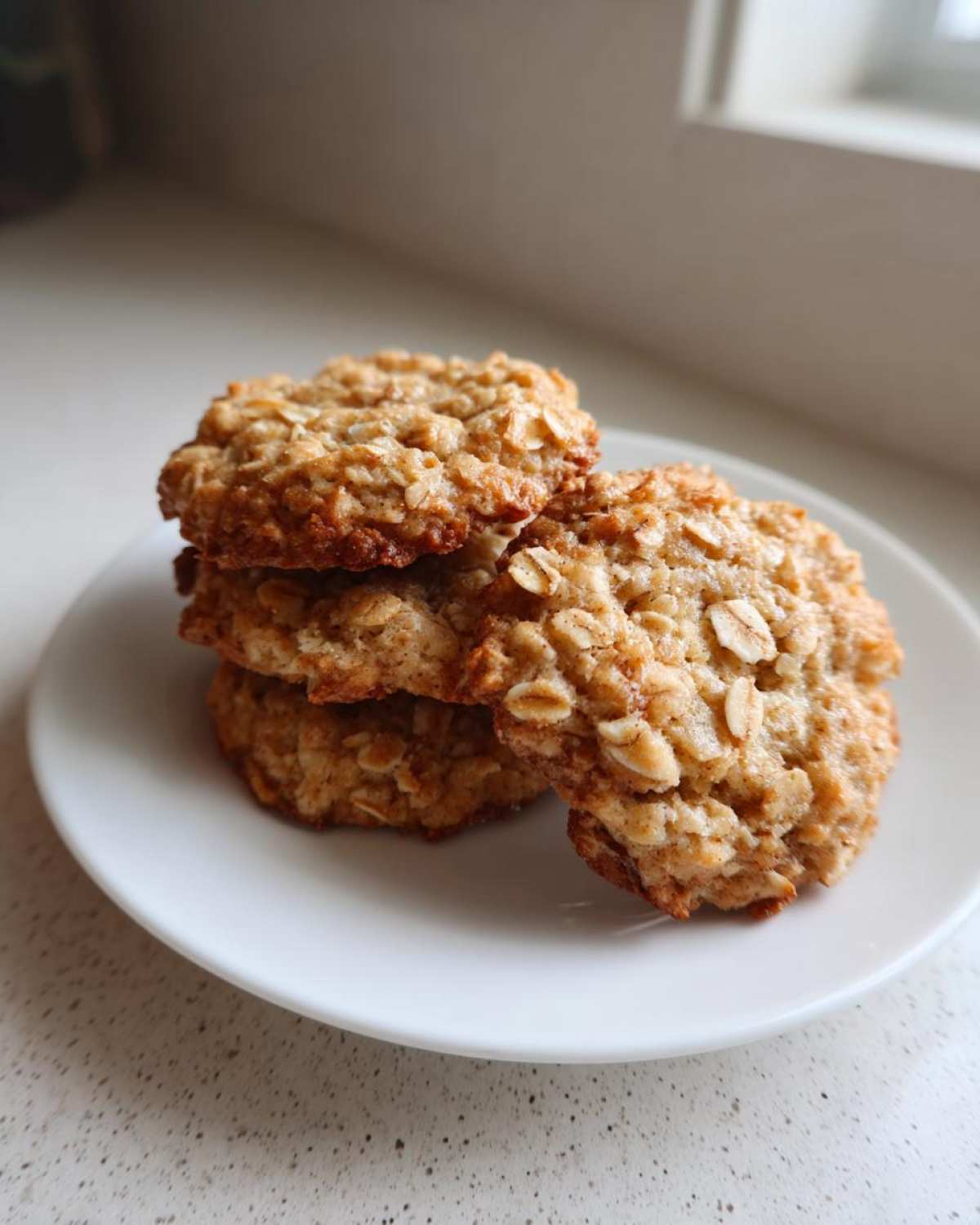
If you want some more creative serving ideas, this article shares some great ways to serve these comforting classics, take a look at these suggestions! No matter how you serve them, I hope they bring as much joy to your table as they do to ours.
Frequently Asked Questions About Making Oatmeal Cookies
I always get so many great questions after people try this recipe! Honestly, if you have a question, someone else reading is probably wondering the exact same thing. I tried to keep this the classic oatmeal cookie recipe simple, but naturally, people want to tweak things for their kitchen or their preferences. Here are a few frequent ones I’ve been asked about keeping these soft baked oatmeal cookies perfectly chewy.
Can I use quick oats instead of old-fashioned oats?
This is such a common question, and the answer is yes, you absolutely can use quick oats! Remember how I mentioned that quick oats tend to break down more? If you use them, your cookies will come out softer, definitely more tender, and less texturally defined—more like a traditional cake crumb holding oats rather than that nice chewiness we aim for. If ultra-chewy is your goal, occasionally blending about a half-cup of the old-fashioned oats into a coarse flour before adding them to the batter also works wonders for structure, though that steps away from the easy one bowl method just a little!
Do I need to chill the dough before baking?
For this specific recipe, chilling the dough is definitely optional, but I highly recommend it if you live in a warm climate or if your kitchen gets hot while you bake. If you want your oatmeal cookies to be thicker and less prone to spreading out into thin circles, pop the scooped dough balls onto the baking sheet, cover them lightly, and chill them for at least 30 minutes. This helps the fats solidify a bit before they hit the heat, which results in a thicker, beautifully structured cookie. If you’re in a real hurry and want to skip chilling, just make sure the butter you creamed wasn’t overly warm to begin with!
How do I make sure these turn out moist and not dry?
Moisture is the name of the game for great homemade oatmeal cookies from scratch! The primary thing is the ratio of brown sugar to white sugar; brown sugar is your best friend for moisture retention. Secondly, timing is everything when baking them. Don’t bake them until they look completely done! Pull them out when the edges look golden but the very center still looks slightly soft and glossy. Since they continue to bake for about 5 minutes on the hot pan after you pull them out, this small trick ensures you get wonderfully moist oatmeal cookies every single time.
Can I make this a low sugar oatmeal cookies recipe?
Since I focus on the classic flavor profile here, my recipe relies on the sugars for that signature chewiness, but I totally understand wanting to adjust things. If you are aiming for a healthy oatmeal cookies recipe, you can certainly start experimenting with natural sweeteners or applesauce substitutes, though the texture will shift from chewy to cakey rather quickly. If you reduce sugar too much without adjusting the binders (like using applesauce instead of some butter), you might lose that lovely spread. I always suggest finding a dedicated healthy recipe if you are cutting sugar drastically, but for this buttery version, keep the sugars high for the best results!
If you’re curious about other baking adventures we’ve had, including swapping out flours for scone recipes, you can browse my general favorites here!
Estimated Nutrition for One Oatmeal Cookie
Now, I have to be very honest here—I don’t whip out the calculator for every single batch because honestly, I’m too busy eating them! But because I want you to have all the information you need about these homemade oatmeal cookies from scratch, I’ve included the estimated nutrition breakdown below. Alex, being the engineer, insisted we run the numbers so people know what they are getting.
You need to remember that these figures are just a baseline because what you put in changes everything! If you decide to use raisins instead of chocolate chips, or if you swap out half the butter for applesauce (which I mentioned earlier!), the numbers will shift. Think of this as a very good starting point for one typical serving.
- Serving Size: 1 cookie
- Calories: 180
- Sugar: 12g
- Sodium: 105mg
- Total Fat: 9g
- Saturated Fat: 5g
- Carbohydrates: 23g
- Protein: 3g
This breakdown assumes you’re using butter, standard sugars, and no added mix-ins like milk chocolate chips. If you’re making those massive ice cream sandwiches we talked about, I’d definitely double or triple the calorie count for that whole situation! Enjoying these classic oatmeal cookie treats should be fun, not stressful, so use this chart as a guide, not a rulebook!
Share Your Perfect Oatmeal Cookie Creations
That’s it! You’ve made them. I sincerely hope your kitchen smells wonderfully comforting right now. Seeing these soft and chewy oatmeal cookies come out of the oven and cool down is one of the best parts of baking. Now that you’ve tried the recipe, I would absolutely love to hear what you thought!
Please, don’t be shy! Head down below to the comments section and leave me a star rating—did they turn out perfectly soft? Were they exactly the best chewy oatmeal cookies you’ve ever made? Your feedback really helps me know what works for everyone, and honestly, it just makes my day to hear from you.
And if you’re a visual person like me, you have to show them off! Snap a picture of your batch—whether you added those chocolate chips, stuck with plain raisins, or even tried a wild new addition—and tag us on social media. Alex and I keep checking our feeds to see what delicious creations you all come up with. Sharing these simple, comforting recipes with you is why we started this whole journey with AfriPaket, and seeing your happy bakes is the fuel that keeps us going. Happy baking, my friends!
PrintThe Best Soft and Chewy One-Bowl Oatmeal Cookies

You will love this easy, one-bowl recipe for classic oatmeal cookies that bake up perfectly soft and chewy every time. Make them your own with optional mix-ins like chocolate chips or raisins.
- Prep Time: 15 min
- Cook Time: 12 min
- Total Time: 27 min
- Yield: 24 cookies
- Category: Dessert
- Method: Baking
- Cuisine: American
- Diet: Vegetarian
Ingredients
- 1 cup (2 sticks) unsalted butter, softened
- 1 cup packed light brown sugar
- 1/2 cup granulated sugar
- 2 large eggs
- 1 tablespoon vanilla extract
- 1 1/2 cups all-purpose flour
- 1 teaspoon baking soda
- 1/2 teaspoon salt
- 3 cups old-fashioned rolled oats
- 1 cup mix-ins (optional: chocolate chips or raisins)
Instructions
- Preheat your oven to 350°F (175°C). Line baking sheets with parchment paper.
- In a large bowl, cream together the softened butter, brown sugar, and granulated sugar until the mixture is light and fluffy. You can use a hand mixer or stand mixer for this step.
- Beat in the eggs one at a time, mixing well after each addition. Stir in the vanilla extract.
- In a separate medium bowl, whisk together the flour, baking soda, and salt.
- Gradually add the dry ingredients to the wet ingredients, mixing on low speed until just combined. Do not overmix.
- Stir in the rolled oats by hand until they are evenly distributed throughout the dough.
- If you are using mix-ins, gently fold in the chocolate chips or raisins now.
- Drop rounded tablespoons of dough onto the prepared baking sheets, spacing them about 2 inches apart. For thicker cookies, press the dough balls down slightly.
- Bake for 10 to 12 minutes, or until the edges are set and lightly golden brown. The centers should still look slightly soft.
- Let the cookies cool on the baking sheets for 5 minutes before transferring them to a wire rack to cool completely.
Notes
- For extra chewy oatmeal cookies, use quick oats instead of old-fashioned oats, or blend about 1/2 cup of the oats into a coarse flour before adding them to the dough.
- If you prefer a spiced flavor, add 1 teaspoon of ground cinnamon to the dry ingredients.
- To make these breakfast cookies, substitute half of the flour with whole wheat flour for added fiber.
- If you want crispy edges, flatten the dough balls slightly more before baking.
Nutrition
- Serving Size: 1 cookie
- Calories: 180
- Sugar: 12
- Sodium: 105
- Fat: 9
- Saturated Fat: 5
- Unsaturated Fat: 4
- Trans Fat: 0
- Carbohydrates: 23
- Fiber: 2
- Protein: 3
- Cholesterol: 30